Smoke used to choke the treetops in Kalimantan, turning daylight into a dull, apocalyptic orange. When massive forest fires tore through Indonesian Borneo, thousands of acres of ancient peat swamp burned down to the ash. Wildlife rescue centers quickly filled up with displaced, malnourished, and terrified great apes.
Getting those orangutans back home sounds like a simple win. Open the transport crates, let them climb up the nearest dipterocarp tree, and walk away. Reality is far messier.
If you think a successful conservation story ends the second an animal steps out of a cage, you're missing the entire point
Why Saving Borneo Orangutans Takes More Than Just Planting Trees
news
Smoldering peatland smells like burnt electronics and rot. I've walked through tracts of the Borneo jungle after the fires sweep through, and the silence is what stays with you. The birds are gone. The insects are gone. Everything that couldn't climb high enough or run fast enough simply vanished.
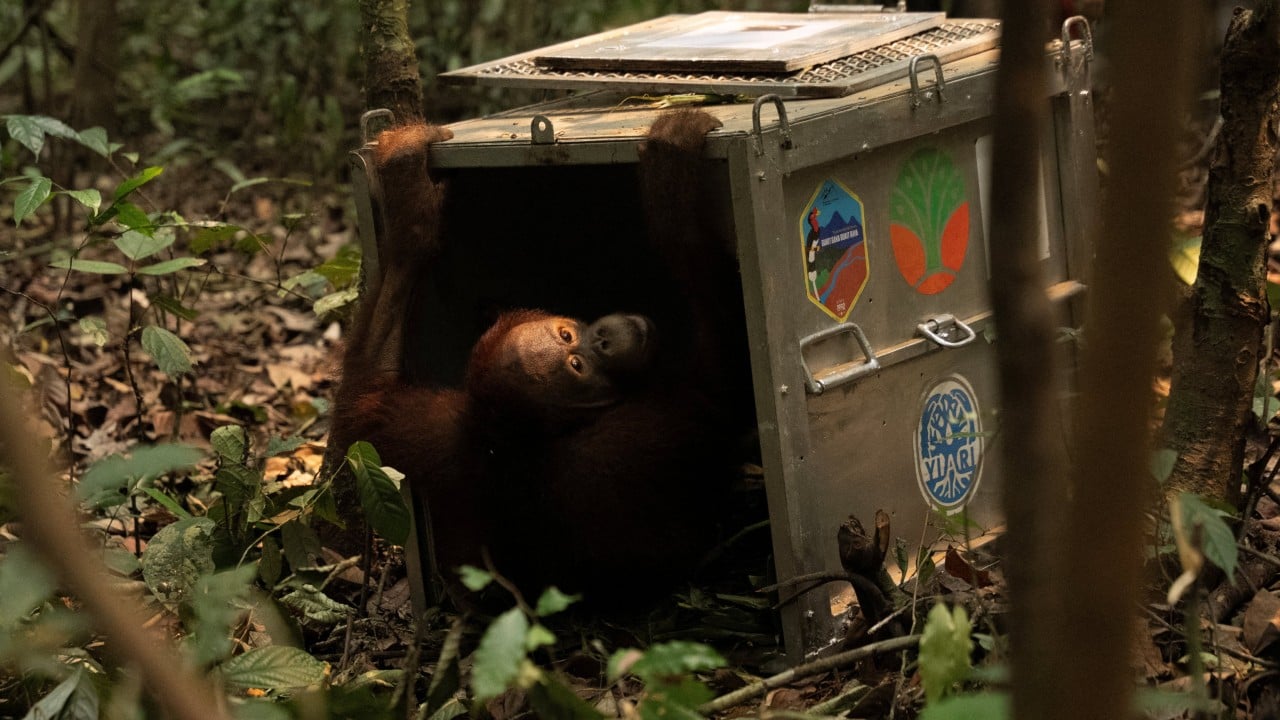
When organizations manage to pull traumatized red apes out of those smoking ruins, the public breathes a sigh of relief. Headlines pop up: animals saved, rehabilitated, and finally released back into the wild. It sounds like a Hollywood ending.
It isn't.
Getting an orangutan back into a tree in Indonesian Borneo is actually where the real emergency starts. If you think conservation is just about dropping a cage door and watching a fuzzy orange shape swing away, you're missing the entire crisis. The rescue is just the easy part.
The Reality of Post-Fire Rehabilitation
When massive blazes tear through Central and East Kalimantan, they don't just burn trees. They destroy food webs. Wild orangutans rely on an intimate, encyclopedic knowledge of hundreds of fruiting plant species. They know when the durian ripens, where to find specific figs, and how to strip bark for cambium when times get lean.
Orangutans rescued from burnt zones or illegal plantations often arrive at sanctuaries broken. Many are infants snatched by poachers after the fire drove their mothers into the open. Others are adults suffering from severe smoke inhalation, malnutrition, and burns on their hands and feet.
Rehab centers run by groups like the Borneo Orangutan Survival Foundation or the Orangutan Appeal UK don't just patch these animals up. They have to run literal forest schools. They teach young apes how to build nests out of branches, which leaves are safe to eat, and how to avoid venomous snakes.
This process takes years. Sometimes it takes a decade. When people demand instant releases following a fire season, they are usually pushing animals into an environment that can no longer feed them.
Why Habitat Loss Outpaces Our Best Efforts
You can release a hundred rehabilitated orangutans tomorrow, but if their home has shrunk by half, you're just setting up a slow-motion tragedy. Borneo's landscape has been carved up by palm oil concessions, illegal logging, and slash-and-burn agriculture.
When fires ravage a forest, local wildlife gets compressed into shrinking green islands. The carrying capacity of the surviving jungle plummets. Throwing rehabilitated apes into these already crowded zones triggers territorial warfare between wild residents and newcomers. Sometimes, the released animals starve because the native population has already stripped the accessible fruit trees bare.
We tend to treat conservation as a numbers game. How many rescued? How many released? How many hectares replanted?
Those metrics feel good on a corporate sustainability report, but biology doesn't care about PR targets. A seedling planted today won't produce fruit for an orangutan for ten or fifteen years. What do the animals eat in the meantime?
What Actually Works on the Ground
If you want to understand how to fix this, look at the projects focusing on long-term forest protection rights and peatland restoration, rather than just flashy release ceremonies.
Re-wetting drained peat swamps stops the underground fires that burn for months out of sight. Supporting local indigenous communities who act as forest guardians works far better than stationing underpaid rangers from thousands of miles away. People who live alongside the jungle know every trail and every encroaching bulldozer.
When organizations buy up logging concessions to turn them into protected sanctuaries, that moves the needle. Protecting existing, mature rainforest canopy matters infinitely more than planting a million saplings in a wasteland. Mature forest has the structural complexity, the hollows for nesting, and the diverse food sources that a displaced ape needs to survive a harsh dry season.
How to Support Real Conservation
Stop looking for quick fixes. True habitat restoration is messy, slow, and expensive.
If you want to back organizations working in Borneo, look for the ones transparent about their failure rates and long-term costs. Ask them how they manage human-wildlife conflict when hungry orangutans wander into village orchards looking for food. Look for groups investing in local education and sustainable local economies so people don't have to resort to burning the forest to clear land.
The fires in Borneo aren't isolated natural disasters. They are human-made crises fueled by global demand for cheap commodities and lax enforcement. Rescuing an orange-haired survivor from the smoke is heroic work, but keeping the forest standing so it never needs rescuing in the first place is the only job that actually counts.