You want to know what political tolerance looks like in Moscow today? Look at the Supreme Court's latest ruling. Russia just barred the liberal Yabloko party from the upcoming parliamentary elections.
That single stroke of a pen wiped out the only officially registered political group daring to campaign on an anti-war platform. If you thought there was still a tiny window for legal domestic opposition, think again. The state slammed it shut.
How the Ban Went Down
The sequence of events feels almost theatrical if it weren't so grim. The Central Election Commission initially registered Yabloko to run for the 450-seat State Duma. People were genuinely shocked. For a brief moment, opponents of the military campaign in Ukraine thought they might actually have a legal outlet.
Then the ultra-nationalist Rodina party stepped in. They filed a lawsuit demanding the cancellation of Yabloko's registration. They threw everything at the wall. Funding issues, copyright complaints, and vague accusations of extremism.
Russia's Supreme Court bought the argument. They struck Yabloko from the September ballot entirely. No party had faced removal from a Duma election like this since 1999.
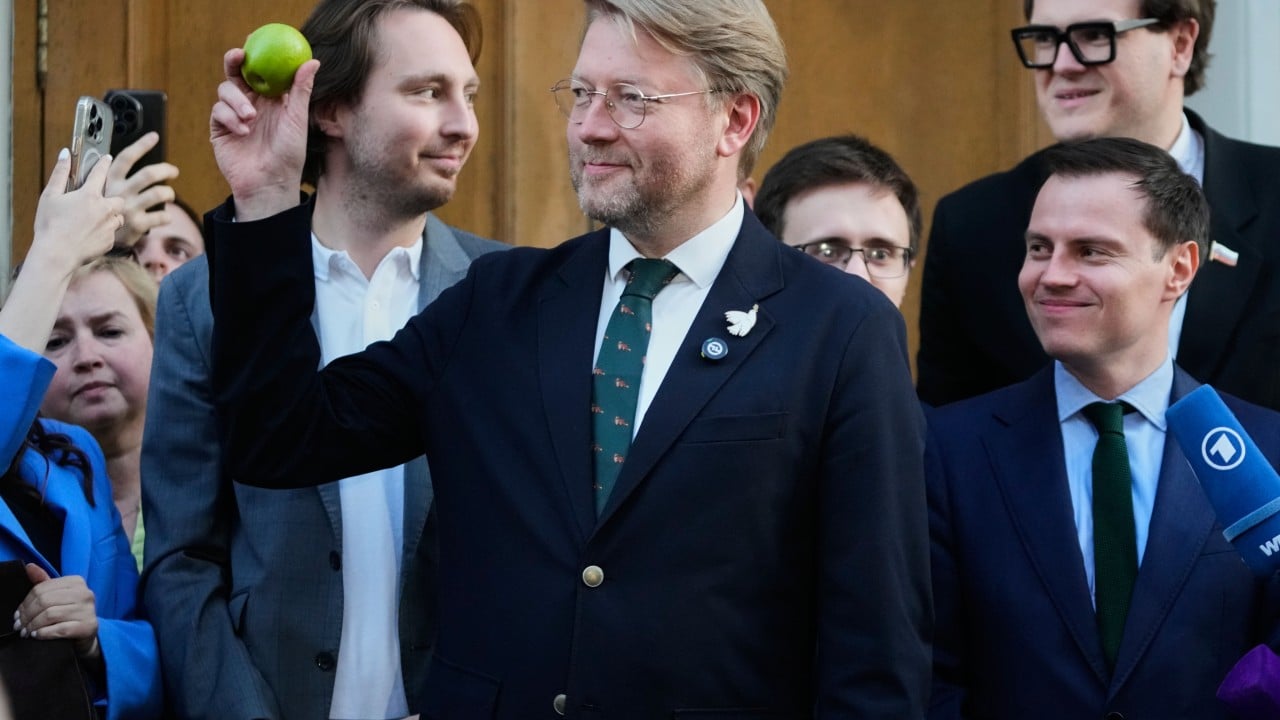
Party leader Nikolai Rybakov didn't mince words in court. He called the decision an attack on basic freedom of thought. Outside the courthouse, hundreds of mostly young Russians gathered in protest. Some carried apples, the symbol of the party. Others wrapped themselves in flags. Police watched closely, but the crowd showed rare, open defiance.
Why the Timing Matters
You have to look at the broader picture to understand why the Kremlin panicked. Public fatigue is real. Polling data from independent sources like the Levada Center shows that domestic support for the armed forces dropped to 66 percent recently. That marks the lowest point since the full-scale invasion began in February 2022.
At the same time, the conflict keeps creeping closer to home. Long-range drones hit energy infrastructure and supply hubs regularly. Businesses feel the pinch. Ordinary citizens feel the strain.
When a population starts feeling the squeeze, the demand for peace grows quietly underneath the surface. Yabloko's platform called for an immediate ceasefire. Even though the party lacks seats in the national parliament today, its simple presence on the ballot gave millions a way to signal dissent without risking immediate arrest.
That was too dangerous for the authorities to allow.
The Disappearance of Legal Dissent
Russia's political landscape is completely sterilized now. Anyone with a megaphone and a critical opinion has been systematically sidelined, labeled a "foreign agent," or forced out of the country. Take Boris Nadezhdin, another prominent anti-war figure. He was tagged as a foreign agent last month and quickly fled France.
When you criminalize peace talks and treat opposition as treason, you don't create stability. You just push pressure underground.
Yabloko plans to appeal the Supreme Court ruling, but nobody expects a reversal. The system is designed to protect itself at all costs. The message from the top is loud and clear. There is zero room for debate on the war. If you want to participate in official politics, absolute conformity is the only ticket of entry.