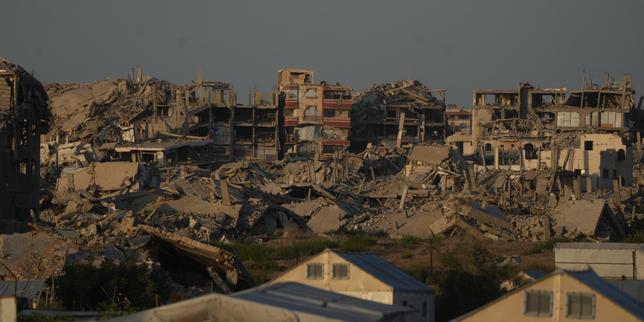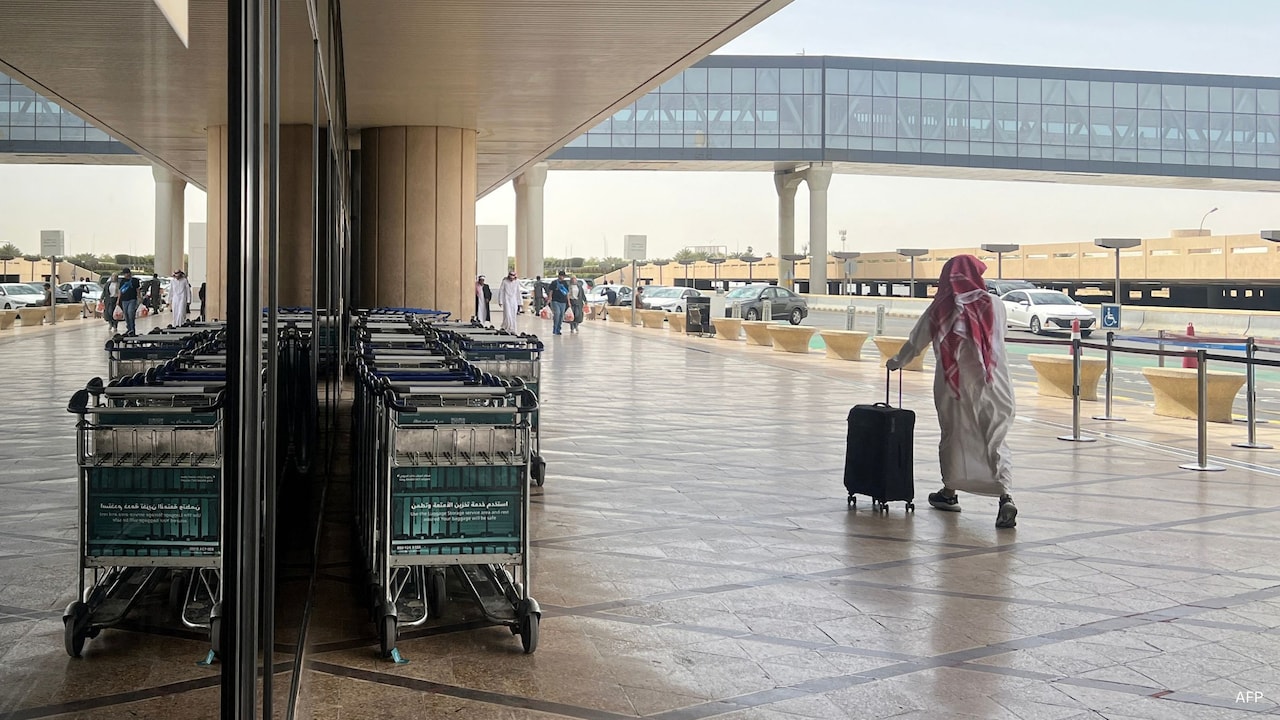
Every aviation defense analyst on cable news right now is hyperventilating over drone debris at King Khalid International Airport. They want you to stare at the scorch marks on the tarmac and panic about regional security breakdowns. They are selling you a simple narrative. A Houthi projectile breaches a perimeter, a wing gets clipped, and the media industrial complex spins up a fresh panic cycle about the fragility of Middle Eastern travel hubs.
It is a lazy, superficial read of modern aerospace logistics.
I have watched boards of directors lose their minds over headline-level security incidents while completely ignoring the structural vulnerabilities bleeding them dry from the inside. When a strike hits an airport like Riyadh, the mainstream reaction focuses on the physical shrapnel. That is the wrong metric entirely. The real damage is not structural; it is psychological and economic, and it is weaponized by entities that care far more about freezing capital flow than puncturing aluminum fuselages.
Let us dismantle the consensus.
The Flawed Physics Of Airport Panic
The baseline assumption in modern aviation risk assessment is that physical proximity to a conflict zone equals an unacceptable operational hazard. That is false. Commercial aviation has operated adjacent to volatile zones for decades. What changed is not the accuracy of asymmetric munitions, but the sensitivity of insurance markets and corporate PR departments to TikTok video clips.
When a plane gets clipped on a tarmac, underwriters swarm. Premiums spike across the Gulf carriers, forcing structural cost adjustments that ripple through global ticket pricing. But look closer at the actual disruption. Airlines cancel flights not because the runway is cratered, but because liability lawyers get cold feet.
Imagine a scenario where a major carrier treats a localized interception debris event with the same operational calm as a severe thunderstorm diversion. They do not. Instead, they trigger a cascading series of ground stops that cost millions in passenger compensation, crew repositioning, and slot allocations. The attackers know this. They are not trying to bring down a Boeing 777 with a crude loitering munition. They are executing a low-cost, high-leverage denial-of-service attack on commercial confidence.
The security apparatus focuses heavily on kinetic defense—interceptors, Patriot batteries, radar sweeps. Yet, they treat the economic contagion as an unavoidable act of nature. That is where the strategy breaks down.
The Real Vulnerability Is Not Aluminum
We need to talk about supply chain centralization. Mega-hubs like Riyadh are engineered for maximum throughput, packing tens of thousands of transit passengers and billions in cargo through centralized terminals. When an incident occurs, the centralized bottleneck chokes instantly.
Airlines love to talk about risk mitigation, but their contingency playbooks are relics of the twentieth century. They rely on manual rerouting, bureaucratic slot swaps, and reactive PR management. I have watched legacy carriers spend forty-eight hours arguing over gate allocations after a minor security incident while automated freight networks quietly rerouted around them.
The contrarian truth is simple: physical infrastructure is resilient. Supply chain psychology is brittle.
When a strike occurs, the immediate drop in bookings is rarely proportional to the actual danger. It is proportional to the media saturation. Travelers do not evaluate risk through statistical probability; they evaluate it through visual availability. If the thumbnail on their news app features a smoking tailfin, they rebook via Europe, adding hours and carbon emissions to journeys that were never genuinely compromised.
Redefining Security In The Age Of Asymmetric Warfare
If you want to survive and profit in the current geopolitical climate, you have to stop playing the media's game.
First, corporate travel risk management must decouple physical security from operational shutdowns. Grounding a fleet because shrapnel hit an empty apron fifty yards from a terminal is not safety; it is theater.
Second, airport operators need to decentralize ground operations. The monolithic mega-terminal model is a sitting duck for psychological warfare. Smaller, modular handling zones reduce the blast radius of both physical munitions and media panic.
Third, airlines must modernize their customer communication loops. Right now, when an incident happens, airlines go dark or issue vague corporate boilerplate. This vacuum is immediately filled by unverified social media footage, magnifying the panic tenfold. Transparency is not just an ethical choice; it is a tactical defense mechanism.
The next time a headline screams about a damaged fuselage in Riyadh, look past the metal. Watch the insurance rates. Watch the cancellation algorithms. That is where the actual war is being fought. And right now, the aviation industry is losing, not because of what hits the tarmac, but because of how it panics in the terminal.
Stop trying to build impenetrable walls around runways. Build smarter systems that do not care when a piece of scrap metal lands where it shouldn't.