The sound starts in the bones before it reaches the ears.
It is not a roar. Roars belong to engines and stadiums. This is a wet, grinding growl, the sound of mountains unmaking themselves. When the Trishuli basin began to shake at three in the morning, Ram Kumar did not think of climate patterns, infrastructural deficits, or watershed management. He thought of his grandson’s red boots left on the porch. For a more detailed analysis into this area, we recommend: this related article.
Water does not knock. It arrives.
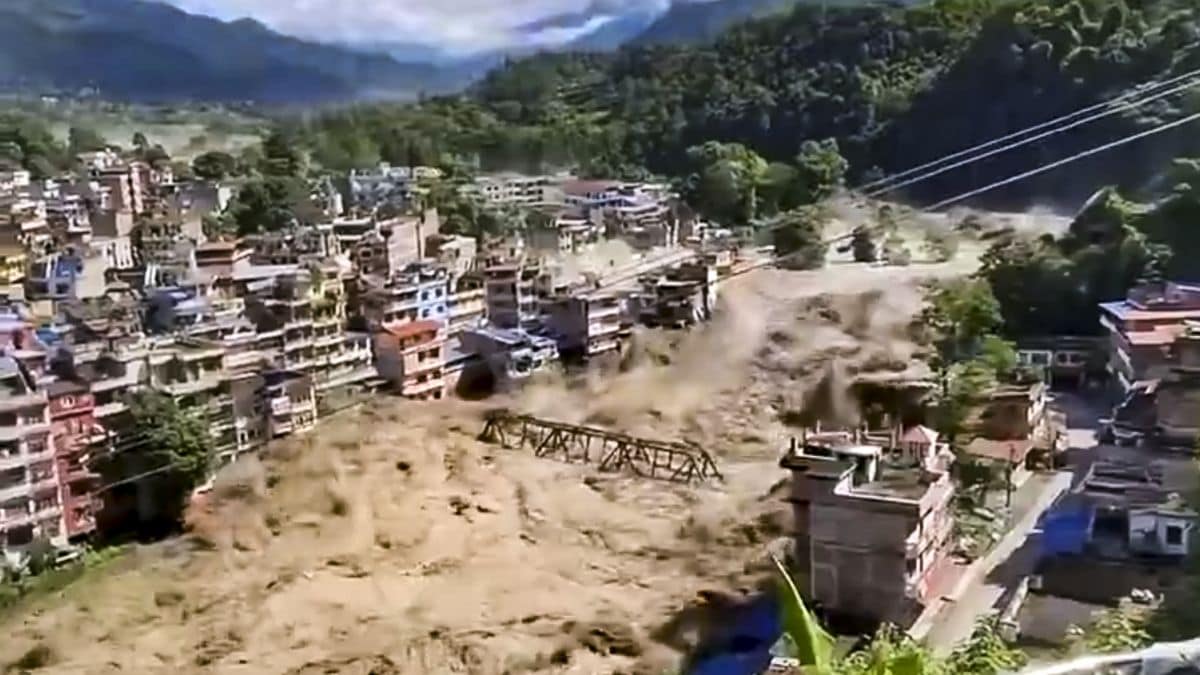
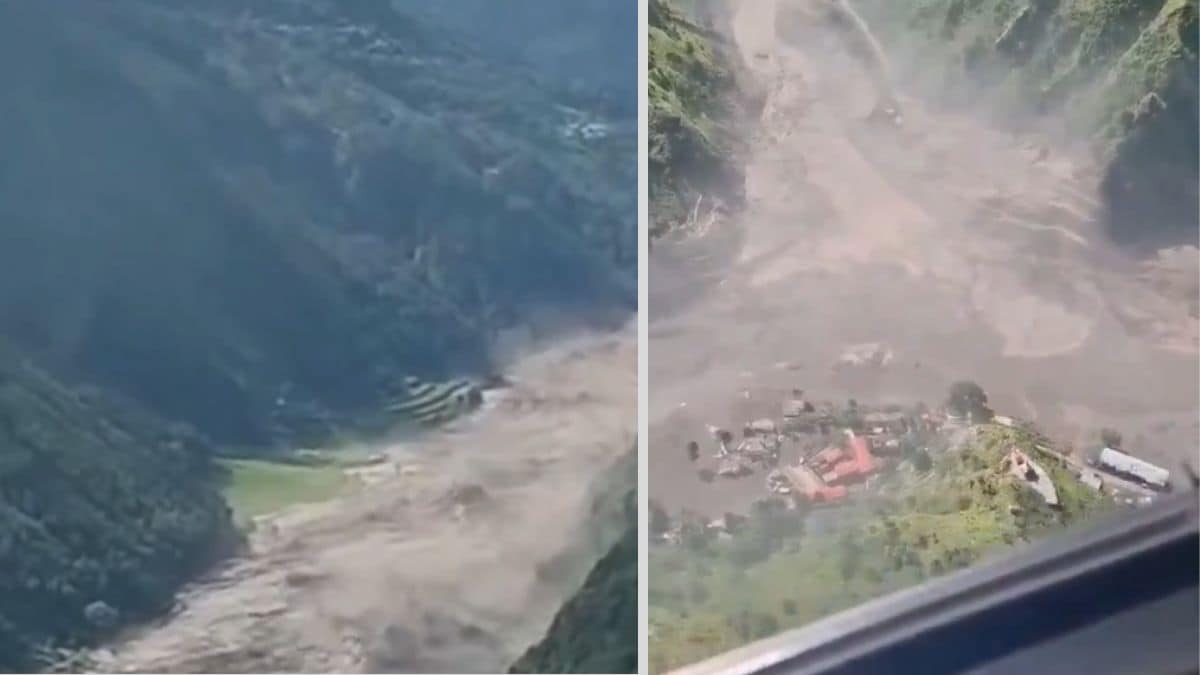
In the valleys of Nepal, a flash flood is an absolute punctuation mark. One moment, the world is an intricate architecture of terraced rice paddies, slate-roofed homes, and the low, companionable hum of the river below. The next, the river has expanded to fill the entire horizon, a churning soup of uprooted pine trees, mud, and the shattered timber of human lives. For further context on the matter, extensive coverage can be read on Al Jazeera.
To understand what happened when the waters broke through, you have to abandon the sterile vocabulary of disaster reports. Statistics tell us that villages were washed away, roads cracked like dry bread, and nascent power projects suffered catastrophic damage. But statistics are cold monuments. They do not capture the taste of silt in the air or the specific silence of a community that has lost its road to the outside world.
Consider what happens when a highway simply ceases to exist.
In mountain geography, a road is not merely asphalt. It is an umbilical cord. It brings salt, medicine, schoolbooks, and news of the wider republic. When the flash flood tore through the arterial routes connecting remote districts, it did more than strand vehicles. It marooned time. Suddenly, a minor infection became a life-threatening crisis because the bridge that crossed the gorge was now a twisted heap of iron leaning against a boulder two miles downstream.
I remember standing near a similar torrent years ago after a monsoon cloudburst. The air smelled intensely of crushed green leaves and wet stone, an organic perfume that masked the impending terror. The sheer kinetic energy of the water humbles you in a way nothing else can. A cubic meter of water weighs a metric ton. Multiply that by millions, moving at the speed of a galloping horse, and you have a force capable of turning concrete foundations into dust.
Power projects bore the brunt of this fury. These engineering works, designed to harness the white-water economy of the Himalayas, were treated by the river as mere toys in a bathtub. Intake structures were choked with gravel. Turbines were buried under tons of slurry. The irony is stark. We build these stations to capture the clean energy of the mountains, forgetting that the mountain itself is still awake, still shifting, still writing its own rules.
Yet, human resilience is stubborn.
Long before the government helicopters could pierce the low-hanging gray clouds, the survivors were already at work. This is the part the news cameras often miss. They capture the grief—rightly so—but they frequently overlook the immediate, kinetic pivot from shock to survival. Neighbors formed human chains, wading into thigh-deep eddies with ropes woven from plastic sacks. They used their bare hands to claw through mudslides where houses used to stand, searching not for property, but for a pulse.
We must confront an uncomfortable truth about these events. They are increasingly baptized by the modern era. While mountain rivers have always flooded, the intensity, frequency, and unpredictability of these cloudbursts have shifted. Deforestation, unscientific road-building on fragile slopes, and erratic monsoon patterns have turned seasonal hazards into existential roulette.
When you strip away the topsoil for expansion without reinforcing the bones of the earth, you are inviting the river to reclaim its old paths. The water simply remembers what we chose to forget. It remembers where the lake used to be a thousand years ago. It remembers the natural drainage route we paved over with a bazaar.
By late afternoon, the rain had eased to a sullen drizzle.
The river was still swollen, the color of café au lait, carrying away pieces of someone's kitchen cabinet, a child's textbook page fluttering like a broken wing before sinking. Ram Kumar sat on a dry patch of earth high above the floodplain, staring at the gray expanse where his neighbor's house had stood twelve hours ago. He didn't speak. He held the red plastic boots in his lap, wiping away the dark clay with the edge of his thumb, over and over again, until the color finally showed through.