The border does not care about grief.
It cares about stamps, ink, paper, jurisdiction, the thin white line of paint on asphalt, and the armed men who stand beside it. At the Sonauli border crossing, where the flat plains of Uttar Pradesh bleed upward into the jagged foothills of Nepal, the air usually tastes of diesel, dust, and roasted corn. Traders push handcarts laden with plastic goods. Pilgrims adjust their saffron shawls. Buses grind their gears, coughing black smoke into the humid afternoon.
Then the water came.
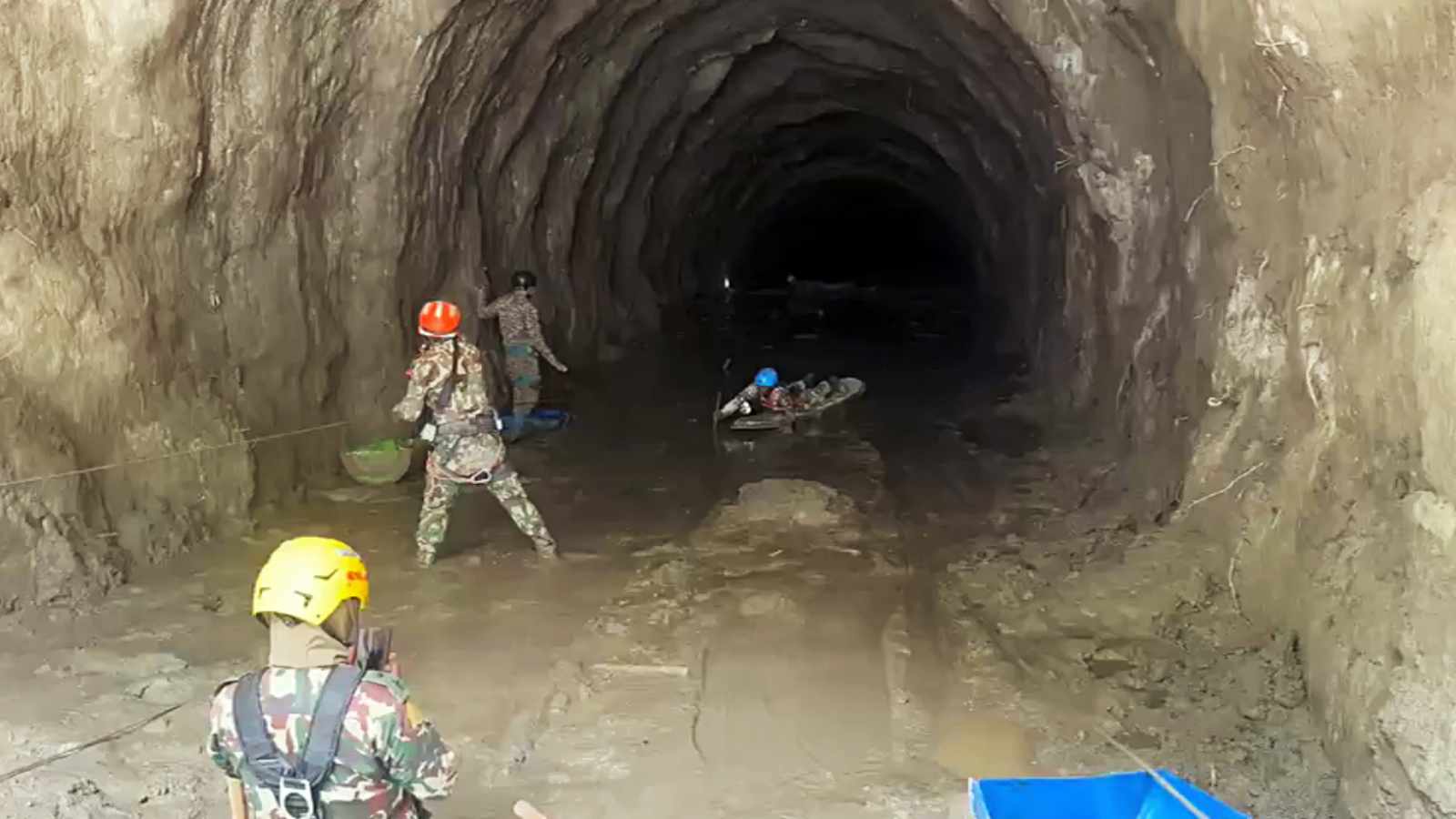
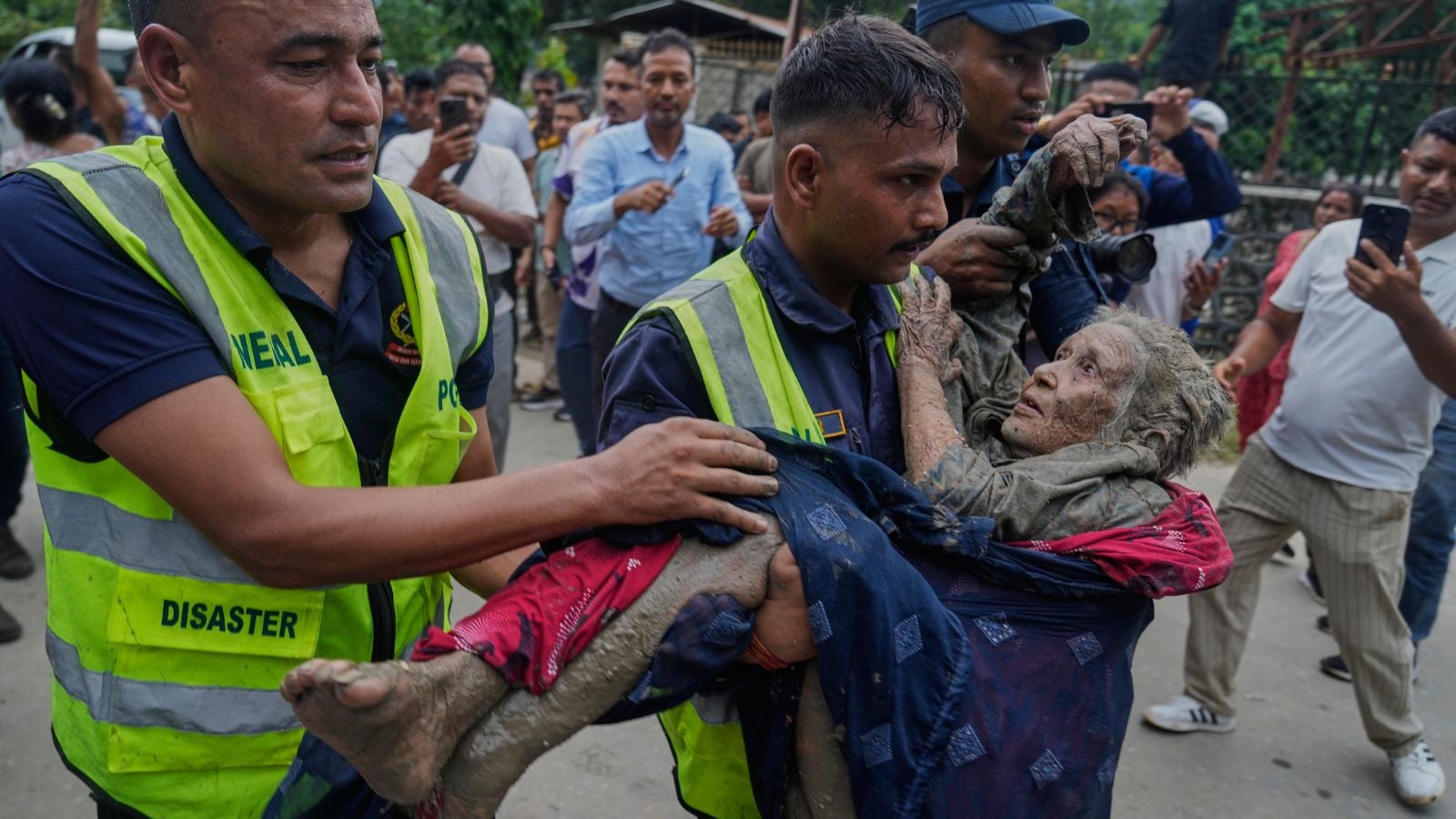
Monsoon rains in the Himalayas are not merely weather; they are a physical force, ancient and indifferent. When the cloudbursts hit last week, the rivers did not rise—they exploded. They tore through mountain villages like sledgehammers, turning paved roads into raging torrents and sweeping away homes built of stone and mud before the families inside had time to grab their shoes.
In the aftermath, the survivors searched. They waded through knee-deep mud, sifted through piles of corrugated tin, and stared out at the brown, churning expanse of water that used to be their fields. And when the river finally spat out what it had taken, it did so without ceremony.
Bodies.
Floating downstream, carried across international boundaries by a current that recognizes no sovereign state.
This is the story of how those bodies came home, and the bureaucratic purgatory that waits for the living when the dead cross a line on a map.
The Geography of Loss
To understand what happened at Sonauli, you have to understand the geography of tragedy. Water flows south. It runs from the high peaks of Nepal, down through the Siwalik Hills, and spills out onto the vast, flat expanse of the Gangetic plain in India.
Gravity is an unyielding taskmaster.
When a flash flood sweeps through a Nepali district like Rupandehi or Palpa, the debris does not stop at the border checkpoint. The river crosses freely, carrying tree trunks, plastic waste, and, tragically, human remains. For days, border security forces on both sides watched the surface of the swollen waterways with a heavy, dread-filled vigilance.
Consider what happens next in a hypothetical scenario that played out in reality last week: A patrol unit on the Indian side of the Sonauli border spots something snagged against the concrete pilings of a bridge or washed up on a muddy riverbank.
Instantly, the ordinary rhythm of border administration halts.
Protocol demands jurisdiction. Who does this person belong to? Where did they draw their last breath? Was it three miles up in the hills of Nepal, or fifty yards downstream on Indian soil?
For families waiting on either side, these questions are an exquisite torture. They do not care about international maritime law or terrestrial borders. They want to light the pyre. They want to bury their mother, their brother, their child.
Across the Line
By late afternoon, the transfer was arranged.
This is not a cinematic event. There are no dramatic speeches or weeping violins. There are damp canvas body bags, heavy paperwork, men in crisp uniforms exchanging clipboards, and the low, rattling idle of police jeeps.
At the Sonauli border, Nepali and Indian authorities met to facilitate the official handover of the flood victims' bodies. These were individuals whose lives were abruptly erased by nature, only to be caught in the administrative machinery of two nations.
Police officers stood guard, their expressions hardened by years of witnessing human misery in all its forms. Yet, beneath the professional detachment, there was a shared, silent weariness. Disaster knows no passport, but bureaucracy demands one.
As the ambulances idled with their emergency lights flashing a dull amber against the gray concrete, the wooden coffins and wrapped stretchers were transferred from Indian custody to Nepali vans.
Across the barrier, relatives waited.
I imagine a face in that crowd. Let us call him Ramesh. Ramesh lost his younger brother when the Rapti River swallowed their village. For three days, Ramesh sat on a boulder by the riverbank, staring at the swirling brown water, surviving on stale biscuits and tea brought by neighbors. When word came that a body matching his brother’s description had been recovered across the border in India, Ramesh did not feel relief. He felt panic.
He had to find money for transport. He had to navigate checkpoints. He had to prove, through ruined identity documents sodden with river silt, that he had the right to claim his own flesh and blood.
The border guards at Sonauli facilitated this transfer with as much dignity as the law allowed. But the law is a blunt instrument when applied to grief.
The Silence After the Siren
We live in an age that worships speed. We want our data instant, our deliveries same-day, our problems solved by an algorithm or a software patch. We map the globe with satellites that can read a license plate from space.
Yet, when nature strikes back, we are reminded of how fragile our systems truly are.
A flash flood takes seconds. The paperwork to bring a body home takes days.
At Sonauli, the transfer concluded quietly as the sun dipped below the horizon, painting the sky a bruised purple and orange. The red and blue lights of the police vehicles swept across the corrugated iron shutters of closed shops. The traders had long since packed up their stalls. The pilgrims had found shelter for the night.
Only the mourners remained, huddled in the damp evening air, following the vans back up into the hills where the roads were still scarred by landslides.
The river has gone back to its bed, for now. The mud is drying into a hard, gray crust over the ruined foundations of homes. But the border remains, sharp and unyielding, cutting across the valleys, waiting for the next rain.
There are no grand conclusions to be drawn here. No policy recommendations that will stop the monsoon from swelling. No diplomatic treaties that can make the crossing of a dead man feel natural.
There is only the road north, winding upward into the dark mountains, carrying the quiet dead back to the earth that bore them.