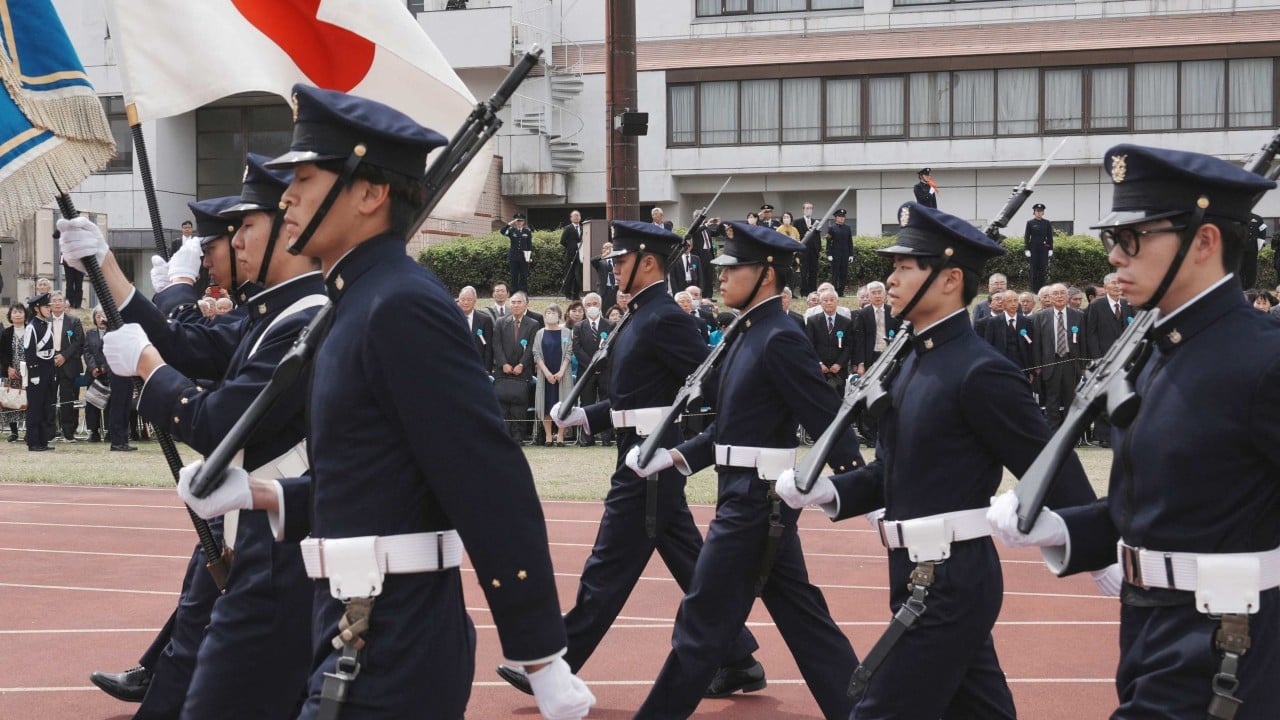
For decades, the standard playbook for Japanese diplomacy in Southeast Asia was built on a foundation of "checkbook diplomacy" and a quiet, pacifist presence. That era is over. According to the latest 2026 State of Southeast Asia survey conducted by the ISEAS – Yusof Ishak Institute, Japan remains the most trusted major power in the region with a staggering 65.6% trust rating.
What makes this figure remarkable isn't just the lead over the United States and China, but the fact that this trust is holding steady even as Tokyo executes its most aggressive military expansion since 1945. While pundits predicted that a rearmed Japan would reopen old wounds from the Second World War, the reality on the ground in Jakarta, Manila, and Hanoi suggests the opposite. Southeast Asian nations are not just tolerating Japan's new hard-power profile; they are actively underwriting it. In similar news, we also covered: The Diplomatic Mirage Behind the Israel Lebanon Border Crisis.
The Trust Surplus vs the Superpower Deficit
The regional geopolitical climate has shifted toward a cold, hard pragmatism. While 52% of regional elites now say they would align with China over the United States—largely fueled by fears over unpredictable American trade policies and the return of aggressive tariffs—Japan occupies a unique third space. It is seen as the "goldilocks" power: strong enough to provide a security hedge, yet lacks the overbearing domestic interference often associated with Beijing or the erratic policy swings seen in Washington.
Data from the 2026 survey highlights a growing anxiety regarding China’s "interference in domestic affairs," a concern that has now overtaken South China Sea aggression as the primary fear in the region at 30.3%. In this vacuum of reliable leadership, Japan’s steady, predictable behavior acts as a stabilizer. Al Jazeera has analyzed this critical subject in extensive detail.
Breaking the One Percent Barrier
The core of Japan’s transformation lies in its fiscal and legislative shifts. For half a century, Tokyo adhered to an unwritten rule of capping defense spending at 1% of its GDP. That ceiling has been shattered.
- Current Spending: Japan’s defense budget for the 2026 fiscal year has reached approximately $58 billion (9 trillion yen).
- The Target: Under the leadership of Prime Minister Sanae Takaichi, Japan has accelerated its timeline to hit a permanent 2% of GDP defense spend by the end of 2026.
- Lethal Exports: By revising the "Three Principles on Transfer of Defense Equipment and Technology," Japan has cleared the path to export lethal hardware, a move once unthinkable in the halls of the Diet.
The Official Security Assistance Gambit
While the United States often ties military aid to complex human rights benchmarks or high-level strategic alignment, Japan has pioneered a more surgical approach known as Official Security Assistance (OSA). Launched in late 2022 and expanded through 2025, OSA allows Tokyo to provide non-lethal (and increasingly "dual-use") military equipment directly to the armed forces of developing nations.
In the Philippines, this has materialized as coastal surveillance radars and patrol vessels. In Vietnam, it takes the form of multi-purpose supply vehicles and deputy ministerial-level defense policy dialogues. By focusing on "capacity building" rather than "alliance building," Japan avoids the appearance of creating a "mini-NATO" in Asia, which would trigger a diplomatic firestorm from Beijing.
The Philippines Pivot
Nowhere is the success of Japan's new doctrine more evident than in Manila. The Philippines currently ranks Japan as its most relevant defense partner after the United States. This isn't just about history; it's about hardware.
- Direct Equipment Transfers: Under OSA, the Philippines was the first recipient of Japanese radar systems designed specifically to monitor the West Philippine Sea.
- Reciprocal Access Agreements (RAA): Japan and the Philippines have streamlined the process for troop deployments and joint exercises, mirroring the status of forces agreements typically reserved for formal allies.
Weaponizing the Supply Chain
Japan’s influence isn't merely found in the hulls of patrol boats. It is deeply embedded in the industrial nervous system of Southeast Asia. While China dominates the raw volume of trade, Japan dominates the quality of infrastructure and technology.
As regional leaders look to diversify away from Chinese-controlled supply chains, Japanese firms are positioned as the preferred partners for high-end manufacturing and semiconductor development. The 2026 outlook suggests that Japan's focus on "high-quality growth" and "industrial upgrades" resonates with ASEAN’s own desire for strategic autonomy.
The Semiconductor Shield
Southeast Asian nations like Malaysia and Vietnam are becoming critical nodes in the global chip race. Japan has recognized that security in the 21st century is as much about silicon as it is about steel. By investing in regional tech hubs, Tokyo ensures that Southeast Asian economies remain tethered to the Japanese technological ecosystem, creating a "soft power" buffer that makes its "hard power" buildup less threatening.
A Legacy of Predictability
There is a psychological component to this trust that data points often miss. To the veteran analyst, Japan’s greatest asset is its strategic patience. Unlike the U.S., which might pivot its focus based on an election cycle, or China, which may suddenly impose "punitive" trade restrictions over a diplomatic slight, Japan has spent 40 years consistently investing in the region.
This "no surprises" approach has earned Japan a reservoir of goodwill that effectively masks the sharper edges of its current rearmament. When Japan acquires Tomahawk cruise missiles or builds out its "counter-strike" capabilities, the regional response isn't a protest—it's a quiet nod of approval. They see a Japan that can finally contribute to a "balance of power" rather than just a "balance of payments."
The Takaichi Doctrine and Its Risks
The acceleration of Japan's military normalization under Prime Minister Sanae Takaichi is not without its friction points. Takaichi's consideration of revising non-nuclear principles and her more assertive stance on the Taiwan Strait represent a departure from the "quiet strength" of her predecessors.
There is a risk that if Tokyo leans too heavily into "realpolitik," it could alienate the more neutral members of ASEAN, such as Indonesia or Malaysia, who are wary of being caught in a crossfire. These nations value Japan as a balancer, but they do not want Japan to become a secondary protagonist in a regional arms race.
Concrete Takeaways for Regional Stakeholders
For businesses and policymakers, the "Japan factor" in Southeast Asia is no longer just about aid or automotive plants.
- Defense-Industrial Cooperation: Expect more joint ventures between Japanese defense giants and local Southeast Asian firms as Japan seeks to scale up its arms industry.
- Infrastructure over Ideology: Japan will continue to use infrastructure projects—like the Metro Manila Subway—as a way to maintain "market legitimacy" while expanding security ties.
- Strategic Autonomy: For ASEAN, Japan is the primary tool used to avoid a binary choice between Washington and Beijing.
The rising sun in Southeast Asia is no longer just a symbol of economic dawn; it is the emblem of a nation that has finally decided that being liked is not as important as being necessary. Tokyo has successfully gambled that by becoming a hard-power player, it will not lose the trust of its neighbors—it will become their most vital insurance policy.