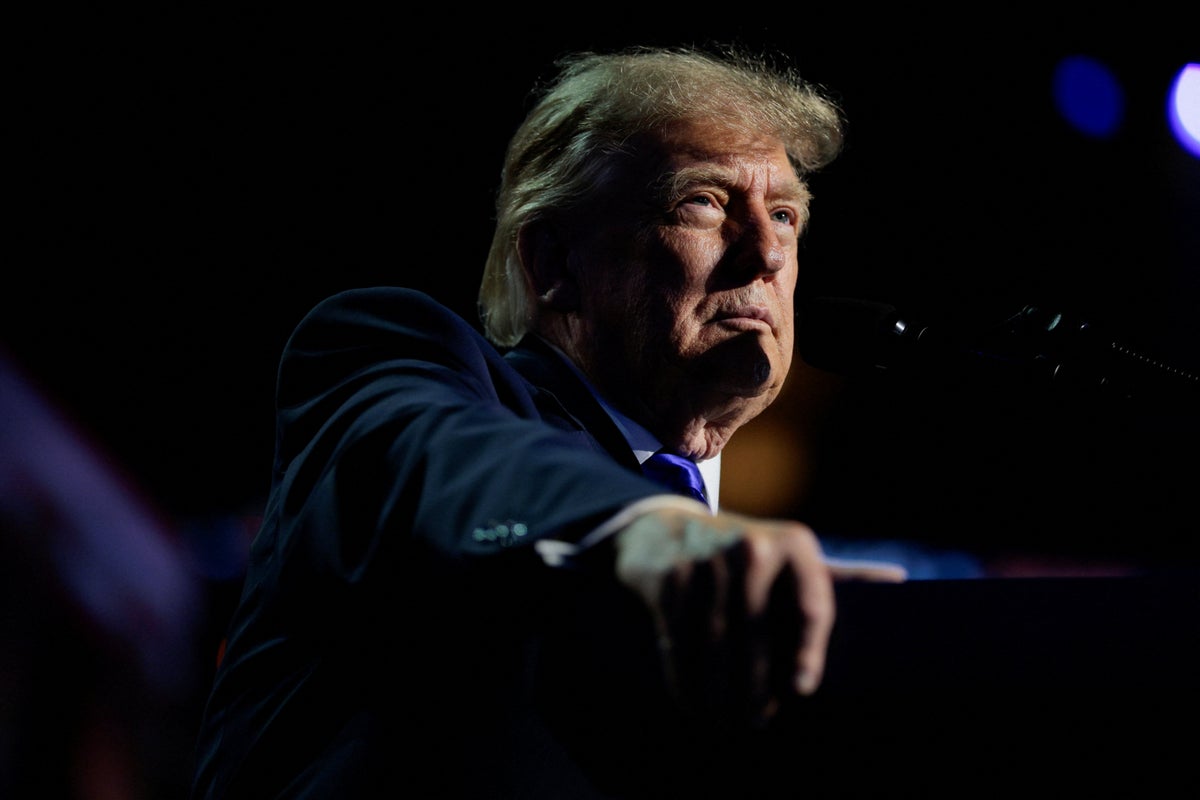
Public figures operating within high-exposure media ecosystems frequently deploy calculated verbal provocations to dominate the attention economy. When Donald Trump addressed the lineage of Mohamed Al-Fayed—the Egyptian billionaire businessman and father of Dodi Fayed—within the context of public commentary concerning Princess Diana, the resulting discourse followed a predictable mechanical trajectory. Media outlets framed the commentary through an ethical lens, interpreting the remarks as a breach of social decorum. A structural examination of the event, however, reveals that these rhetorical maneuvers function not as random deviations from polite discourse, but as deliberate engagement loops designed to maximize distribution and anchor brand positioning.
Understanding the mechanics of such political and celebrity communication requires deconstructing the interaction into three core variables: audience capture, shock-value elasticity, and historical narrative control.
The first variable, audience capture, depends on the deliberate subversion of high-status cultural symbols. Princess Diana and the surrounding elite British institutional apparatus represent peak cultural capital. By inserting personal anecdotes or flippant observations into high-prestige narratives, a speaker reduces institutional reverence to a conversational commodity. The invocation of Mohamed Al-Fayed adds an additional layer of friction, bridging high-society tragedy with commercial wealth and immigrant hustle, which structurally disrupts the sanitised mythology typically surrounding the British monarchy.
The cost function of this communication style relies on calculated alienation. While institutional critics experience a negative utility drop due to perceived crudeness, the core demographic of supporters experiences an increase in perceived authenticity. In political communication theory, transgressive speech acts signal independence from normative constraints. The more an establishment commentator condemns the phrasing as crass, the more the base interprets the condemnation as proof of anti-establishment alignment.
Media amplification acts as the primary multiplier in this equation. Outrage cycles operate on predictable algorithmic incentives where inflammatory phrasing yields disproportionate impressions, shares, and commentary windows. The traditional news cycle responds to low-brow or transgressive remarks by assigning high-value editorial space to debunk, analyze, or condemn them. This dynamic transforms a brief audio clip into a multi-day news item, effectively securing millions of dollars in earned media without capital expenditure.
Deconstructing the linguistic architecture of the commentary uncovers a persistent rhetorical strategy: the privatization of public icons. By asserting familiarity with globally recognized figures—claiming potential romantic access or casual acquaintance—the speaker elevates their own social standing within the narrative hierarchy. This technique shifts the focal point from the objective tragedy of the event to the subjective charisma of the commentator.
The long-term implication of this communications playbook demonstrates that traditional standards of presidential or elite decorum are secondary to sustained attention metrics. As media fragmentation accelerates, the penalty for vulgarity is frequently outweighed by the reward of perpetual relevance. Observers who analyze these events strictly through the framework of etiquette miss the underlying operational reality: the communication is not an etiquette failure, but a high-yield attention acquisition strategy executed with tactical precision.
Evaluate public statements by tracking the immediate distribution metrics versus long-term brand retention, treating inflammatory commentary as an intentional output of an attention-maximizing system rather than an accidental byproduct of poor impulse control.