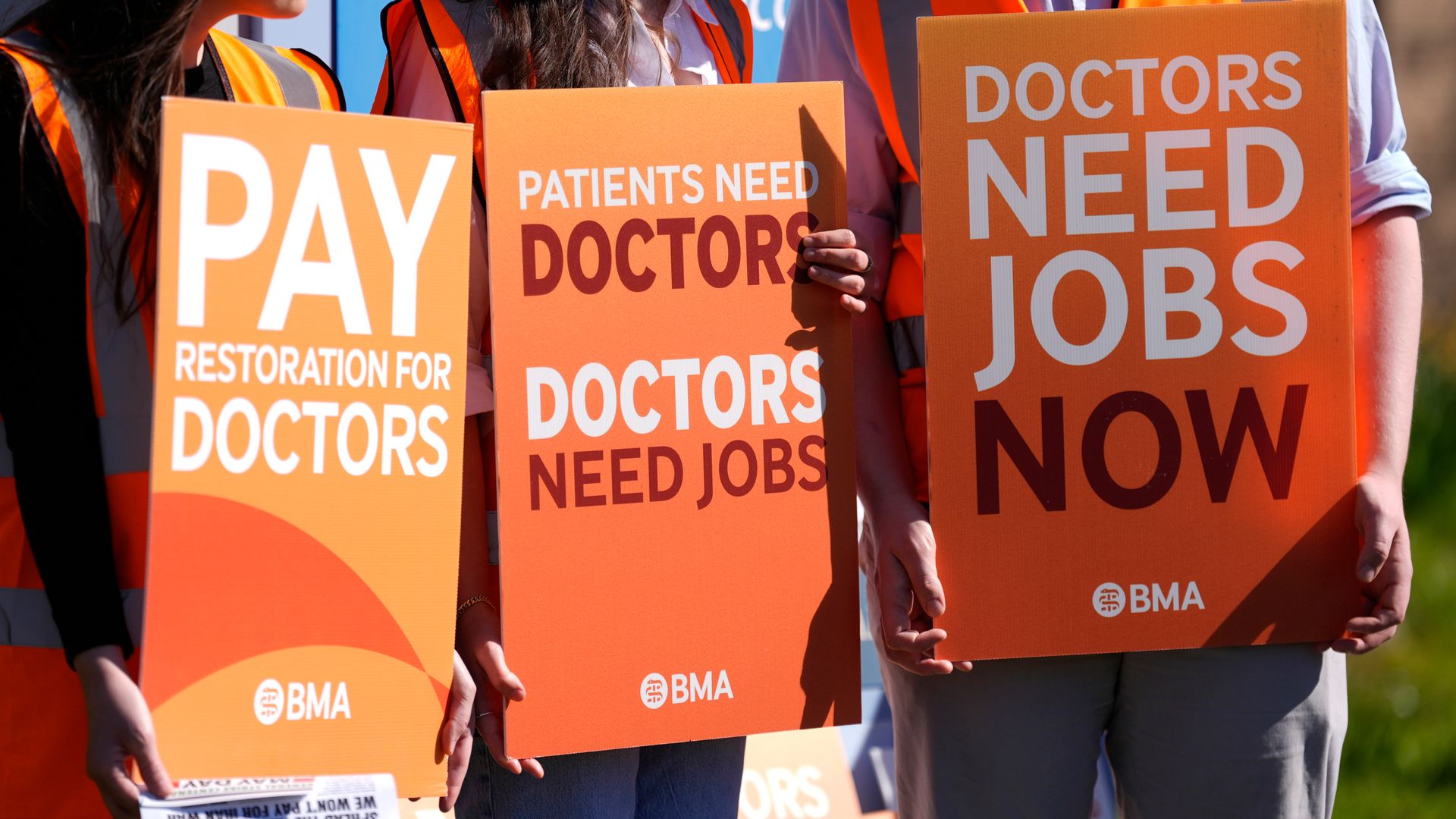
The British Medical Association just pull the plug on next week’s four-day walkout. Frontline medics were scheduled to pack up and leave hospitals starting Monday morning at 7am, marking what would have been the 16th round of industrial action since 2023. Instead, a last-minute breakthrough shifted the entire battlefield from hospital picket lines to internal union ballot boxes.
If you're trying to figure out why the union blinked—or why the government suddenly found extra cash down the back of the sofa—it helps to look past the political spin. This isn't a permanent truce. It's a fragile pause.
What is actually inside the new government offer
The headlines say the resident doctors strike in England is off, but the reality is that the British Medical Association (BMA) simply agreed to stop striking while its tens of thousands of members vote on a fresh referendum. Health Secretary James Murray, who recently stepped into the role following Wes Streeting’s sudden departure, insisted that the state simply could not afford to increase the headline pay percentage for this year.
So how did they break the deadlock? The government stopped obsessing solely over base pay and started fixing the structural issues that make being a frontline doctor in England miserable.
Here's exactly what the state put on the table to make the BMA pause the June 15 walkout.
- The Jobs Bottleneck: The government promised 4,500 new specialty training places over the next three years. This hits a massive pain point. Right now, England is facing an absurd situation where fully qualified doctors are struggling with unemployment because there aren't enough training slots to let them specialise. For context, in departments like A&E, the entry bottleneck has been so brutal that only a tiny fraction of applicants get a spot.
- The Pay Uplift Structure: Medics are looking at an average 6.6% pay uplift to be fully delivered by April 2027. This runs alongside the Review Body on Doctors' and Dentists' Remuneration (DDRB) recommendations. They are doing this through faster nodal point reform and twice-a-year pay boosts tied directly to career progression.
- Contractual Equality: Every single Locally Employed Doctor (LED) will finally get moved onto the standard 2016 resident doctor contract terms. It stops trusts from using cheap, non-standard contracts for localized hiring.
- Hidden Fee Coverage: The government agreed to cover mandatory exam, portfolio, and professional membership fees. These hidden professional taxes cost junior medics thousands of pounds out of pocket every single year just to stay registered.
Why the timing felt completely calculated
Let's be real about the politics here. Dr Jack Fletcher, who chairs the BMA’s resident doctors committee, didn't hide his annoyance at how long this took. Leaving an offer until the Saturday afternoon before a Monday morning strike is a classic Westminster pressure tactic.
The NHS was already staring down the barrel of a logistical nightmare. NHS England’s national medical director, Prof Frankie Swords, openly warned that hospitals were facing a "triple whammy" of intense pressure. High summer temperatures always spike hospital admissions, and the ongoing World Cup matches across Europe mean packed emergency rooms and thin staffing numbers.
By waiting until the absolute final second to shift its position, the government forced the BMA's hand. If the union had rejected a complex, multi-layered offer without showing it to its members, public sympathy would have evaporated instantly.
The structural trap of doctor unemployment
Most people outside the healthcare system assume that if you graduate from medical school, you are guaranteed a comfortable, linear career path. That hasn't been true in England for years. The biggest misconception about this entire dispute is that it's only about the hourly rate.
The real crisis is structural stagnation. You have thousands of junior doctors stuck in professional limbo. They finish their foundation years and then slam directly into a brick wall because the state refused to fund the senior training posts required to turn them into registrars and consultants.
The BMA didn't just accept a cash injection; they forced a policy shift on workforce planning. Securing those 4,500 training spots is arguably a bigger win for the long-term survival of the workforce than the immediate 6.6% pay tweak.
What happens if the rank and file vote no
Do not mistake this suspension for a resolution. The strike was called off to hold a referendum, not because a deal was signed.
The government keeps reminding everyone that resident doctors have seen an average 28.9% pay rise over the past three years when you stack the various historical increments together. Ministers want the public to think the financial bucket is completely empty.
But the rank-and-file membership is tired, cynical, and highly organized. They've been striking on and off for three years. If the fine print of this deal looks like another attempt to kick pay restoration down the road, union members will reject it. Dr Fletcher explicitly stated that if the membership votes down this offer, the committee will immediately trigger escalated strike action next month.
If you are a patient waiting for an elective procedure or a non-urgent operation that was postponed due to next week's strike, you need to contact your local trust immediately. Hospitals will try to reinstate as many appointments as possible, but re-scheduling thousands of clinicians on 36 hours' notice is an absolute mess.
Keep an eye on the internal union debates over the next fortnight. If the mood turns sour on medical forums and hospital mess rooms, expect those picket lines to return by July.