The stadium lights are blinding, a fierce white heat that cuts through the evening air. Below them, forty thousand voices swell into a single, deafening roar. In the tunnel, players bounce on the balls of their feet, the studs of their boots clicking rhythmically against concrete like a countdown. Millions more watch through screens across the globe. Everyone is waiting for the whistle.
But the man who was supposed to blow that whistle is thousands of miles away. He is sitting in a brightly lit, sterile room that smells faintly of industrial lemon cleaner and anxiety.
He is not injured. He did not fail a fitness test. He is simply holding a piece of paper that says he cannot cross an invisible line on a map.
When we think of the World Cup, we think of the pinnacle of human achievement. We think of years of sweat, torn ligaments, and broken hearts culminating in a month of pure, unadulterated drama. We think of the players. Sometimes, we think of the managers. We almost never think of the referees until they make a mistake.
Yet, for an elite official, the journey to the World Cup is just as grueling. It requires decades of running lonely miles on freezing Tuesday nights, enduring the vitriol of local crowds, and climbing a unforgiving bureaucratic ladder where a single misjudged offside call can derail a career. To be selected for the grandest stage of all is a lifetime achievement. It is the mountaintop.
To have that mountaintop taken away not by a bad call, but by a passport control clerk, is a quiet tragedy that rarely makes the highlight reels.
The Paper Wall
Consider the logistics of global sports. We like to pretend that athletics exist in a vacuum, a pure meritocracy where the only things that matter are skill, speed, and judgment. The reality is far messier. The global stage is built on top of global politics, and the lines drawn by governments are far more rigid than the white chalk on a pitch.
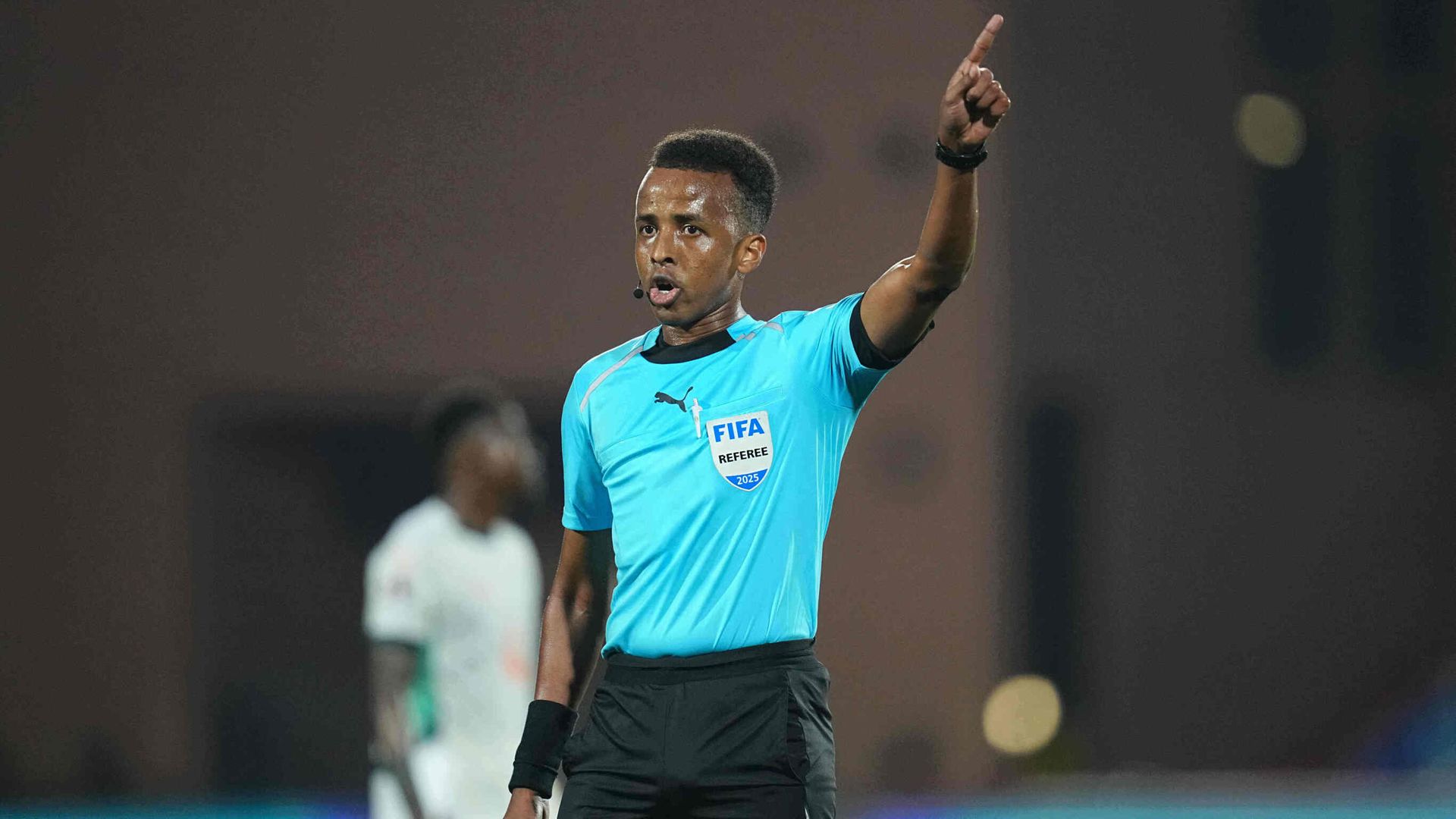
A top international referee, respected across confederations for his calm demeanor and laser-accurate decision-making, received the ultimate assignment. He was to officiate at the World Cup. He packed his bags. He checked his whistle. He studied the tactical setups of the teams he would be managing.
Then came the visa application.
To the United States government, a world-class sporting official is not a guardian of the beautiful game. He is an applicant. A collection of data points on a screen. A background check. And for reasons that are rarely explained thoroughly to the public or the individual, the system said no. The administrative bureaucracy of the host nation denied him entry.
Just like that, the dream ended. Not with a roar, but with a stamp.
The sheer weight of this disappointment is hard to quantify. Imagine dedicating twenty years to a craft. Imagine sacrificing family birthdays, weekends, and your own physical well-being to reach the absolute peak of your profession. You do everything right. You pass every test. Your peers applaud you. Then, a bureaucrat who doesn't know the difference between a yellow card and a corner kick reviews your file and decides you cannot do your job.
The Invisible Pressure of the Middle
The role of a referee is inherently lonely. When they step onto the grass, they are flanked by assistants, but they are ultimately isolated. They wear a different color. They represent authority, which makes them an instant target for resentment.
To survive in that environment, an official must possess a rare psychological makeup. They must be incredibly thick-skinned, hyper-focused, and capable of compartmentalizing immense stress. If a striker misses a penalty, he gets another chance next week. If a referee misses a handball in the box, it can define his legacy forever.
Now, add the layer of international travel. Elite referees are global nomads. They spend half their lives in airport lounges and hotel rooms, living out of suitcases, all to ensure that a game played in Riyadh, London, or Mexico City is fair. They master the art of fighting jet lag while maintaining the physical fitness of a track athlete.
They accept all of this because the reward is the honor of the game. They do it for the love of the sport, even if the sport doesn't always love them back.
When a host country denies entry to a top official, it sends a ripple through the entire officiating community. It exposes a vulnerability that most fans never consider. It proves that no matter how much authority a referee wields within the ninety minutes of a match, they are entirely powerless against the machinery of state borders.
The Margin of Error
What does the tournament lose when a top referee is barred from entry?
The answer is stability.
Football at the highest level is played at a terrifying speed. The ball moves faster, the players are stronger, and the simulation is more sophisticated than ever before. Margins are microscopic. A refereeing team at the World Cup needs to be the best of the best because a single poor decision can alter the economic and emotional trajectory of an entire nation.
When a premier official is removed from the pool, the pressure shifts. The remaining referees must shoulder a heavier burden. Matches are reassigned. The delicate balance of tournament scheduling is disrupted.
Think of a tournament as a complex watch mechanism. Every gear must mesh perfectly. The players are the hands of the watch, showing the time to the world. The referees are the internal springs and cogs that keep the movement steady. Remove one of the primary gears, and the whole mechanism risks stuttering.
The irony is palpable. The World Cup is meant to celebrate global unity, a brief moment where the world forgets its borders and gathers around a ball. Yet, the very borders the tournament seeks to transcend are the ones that intervened to keep a master of the craft at home.
The referee in question will watch the tournament from a television screen. He will see the stadium he was supposed to walk into. He will see the players he was supposed to manage. Every time a whistle blows, he will know exactly what he should have been doing, how he would have positioned his body, and what he would have said to diffuse a confrontation.
He will be judging the game from afar, a spectator to his own stolen moment.
The tournament will continue. A champion will be crowned. The ticker tape will fall, and the world will move on to the next season, the next narrative, the next controversy. But somewhere, a kit bag remains packed, sitting in the back of a closet, a silent testament to a career peak that was reached, earned, and then erased by a line on a map.