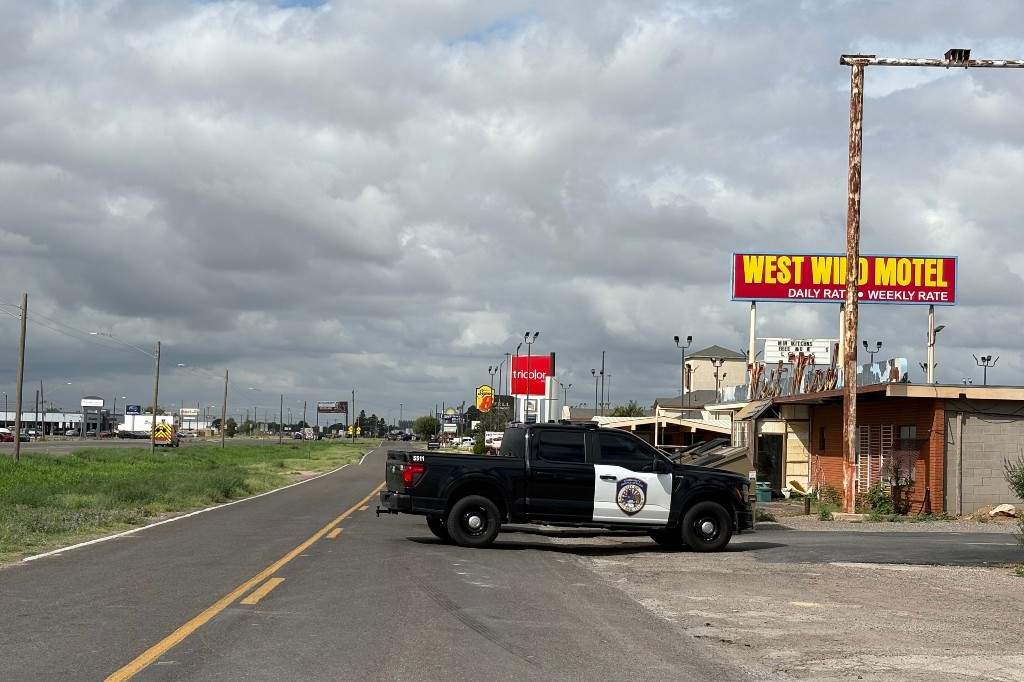
A single gunshot shatters the routine of a Texas community, leaving one person dead and at least nine others wounded. The suspect is also deceased. This is the baseline reality of a modern American tragedy, a script that plays out with agonizing frequency across the country. Law enforcement officials quickly flood the scene, establish a perimeter, and hold a press conference to release preliminary casualty counts. The immediate focus remains fixed on the mechanics of the event: the weapon used, the timeline of the gunfire, and the identity of the perpetrator. Yet, focusing strictly on the immediate chaos overlooks the systemic failures that occur long before the first trigger pull.
The public deserves to understand not just what happened in the frantic moments of active gunfire, but why local infrastructure repeatedly fails to mitigate these predictable horrors.
The Myth of the Isolated Incident
Every time a community faces a mass casualty event, initial reports treat the eruption of violence as an unpredictable anomaly. Law enforcement agencies routinely state that there is no ongoing threat to the public once the shooter is down. While technically true for that specific square mile, it creates a false sense of closure. These events do not happen in a vacuum. They are the predictable end product of unaddressed red flags, fractured community mental health resources, and systemic gaps in local intelligence sharing.
When nine or more people are injured in a matter of minutes, it exposes a critical vulnerability in how we monitor public safety. Investigative files from past tragedies show a recurring pattern. The perpetrator almost always drops clues, makes online threats, or exhibits escalating behavior that goes unnoticed or unreported.
The breakdown occurs because local police departments are structured to respond to crimes after they happen, rather than intercepting them through proactive behavioral threat assessments.
The Failure of Information Sharing
A major bottleneck in stopping these attacks is the wall between different public entities. School districts, local businesses, and municipal police departments frequently operate on separate data islands. A troubled individual might display alarming behavior at work, buy body armor online, and post a manifesto on a niche forum.
Because no single entity connects these data points, the shooter arrives at the scene with the element of surprise.
[Threat Signal A: Workplace Outburst] ──> Kept in HR Files
[Threat Signal B: Weapon Purchase]    ──> Federal Background Check Only
[Threat Signal C: Social Media Post]  ──> Flagged but Not Escalated
                                            │
                                            ▼
                                   Systemic Blindspot
The Triage Crisis in Local Hospitals
When ten or more victims hit a regional trauma center simultaneously, the medical infrastructure strains to the breaking point. Most municipal hospitals are budgeted for daily emergencies, not wartime triage. The first hour after a mass shooting determines the final death toll. If a community lacks a Level 1 trauma center within a tight geographic radius, the casualty count inevitably rises.
This is the hidden toll of regional violence. People die not because their wounds are inherently fatal, but because the local emergency response network is overwhelmed by sheer volume.
The Flawed Playbook of Modern Policing
For decades, the standard law enforcement response to an active shooter was to form a perimeter and wait for specialized SWAT teams. The 1999 Columbine High School massacre changed that protocol on paper, forcing patrol officers to enter buildings immediately to neutralize the threat. However, execution remains wildly inconsistent across different jurisdictions.
Training budgets vary wildly from county to county. A well-funded suburban police department might run active shooter drills every quarter, while a rural sheriff's office operates on shoestring funds, relying on outdated tactics. This disparity means the safety of citizens during a crisis depends entirely on their zip code.
The Problem with Immediate Neutralization Protocols
While the mandate to enter and neutralize is clear, it places immense pressure on the first two or three patrol officers who arrive on the scene. These officers often lack heavy body armor, long-range rifles, or clear communication channels.
They are expected to run toward the sound of high-powered gunfire with little to no tactical support. When officers hesitate, even for a few minutes, the human cost skyrockets.
The Communication Breakdown
During a mass casualty event, radio channels become clogged with panicked, conflicting reports. Dispatchers receive hundreds of calls simultaneously, leading to bad information about the number of shooters, their locations, and the types of weapons involved.
This fog of war delays medical personnel from entering the scene to stabilize bleeding victims. Medics cannot move in until the police declare the area secure, a process that can take hours if communication systems fail.
The Economic Aftershocks Nobody Measures
The immediate aftermath of a mass shooting centers on human grief and criminal investigation. Long after the yellow tape is removed, a secondary crisis hits the community. The economic damage to a town or neighborhood where a mass shooting occurs is profound and permanent.
Property values in the immediate vicinity often plummet. Small businesses near the scene face extended closures during the investigation, and many never reopen due to the stigma attached to the location.
Furthermore, the long-term cost of medical care and psychological therapy for survivors creates a massive financial burden on local government budgets and family savings.
| Impact Category | Immediate Effect | Long-Term Consequence |
|---|---|---|
| Emergency Services | Overtime pay for hundreds of officers; mutual aid expenses. | Depleted municipal contingency funds; increased insurance premiums. |
| Healthcare System | Surge capacity activation; emergency surgeries. | Uncompensated care costs; chronic PTSD treatment for staff. |
| Local Commerce | Immediate closures; crime scene disruption. | Decreased foot traffic; permanent business relocation; lost tax revenue. |
The Long-Term Healthcare Burden
A survivor with a gunshot wound to the abdomen or spine faces a lifetime of reconstructive surgeries, physical therapy, and permanent disability. Insurance companies frequently cap coverage for long-term rehabilitation, leaving families to navigate bankruptcy.
The public rarely sees the financial ruin that follows the physical trauma, yet it remains a defining feature of every mass casualty event in the nation.
Municipal Budget Depletion
Cities hit by high-profile violence must divert millions of dollars from infrastructure, education, and public parks into beefing up security and paying out legal settlements.
When a city spends its reserve funds managing the fallout of a tragedy, every citizen pays the price through reduced public services and higher local taxes.
Rethinking the Response Framework
The current strategy of reacting to gunfire with overwhelming force is failing to stop the upward trend of mass casualty events. To shift the trajectory, municipal leaders must move past standard press conference platitudes and fundamentally overhaul their public safety architecture.
Investing in predictive behavioral intervention teams is far more effective than buying another armored vehicle for the local police department. These teams bring together mental health professionals, social workers, and law enforcement to intervene when an individual first shows signs of radicalization or severe psychological decay.
Hardening Soft Targets Without Creating Prisons
Communities must find a balance between security and open access. Strip-malls, churches, and outdoor festivals cannot be turned into fortresses with armed checkpoints without destroying the fabric of public life.
Instead, architectural design must incorporate passive security measures, such as shatterproof glass, strategically placed barriers to prevent vehicle rams, and automated lockdown systems that trigger the moment a shot is detected.
Mandating Interoperable Communications
The federal government must mandate that all local, county, and state emergency services operate on a unified, interoperable radio frequency during active crises.
The technology exists to seamlessly bridge disparate communication networks, but political infighting and bureaucratic inertia prevent widespread adoption. Until this changes, first responders will continue to walk into active scenes blind and deaf to what their colleagues in the next jurisdiction are doing.
The dead suspect in Texas cannot answer for the systemic vulnerabilities that allowed this crisis to manifest. True accountability rests with the leaders who choose to maintain a broken status quo rather than implement the painful, expensive reforms required to protect public life.
Fixing this requires looking past the immediate casualty counts and dismantling the bureaucratic silos that keep communities vulnerable. Every delay ensures another press conference, another perimeter, and another list of preventable casualties.


