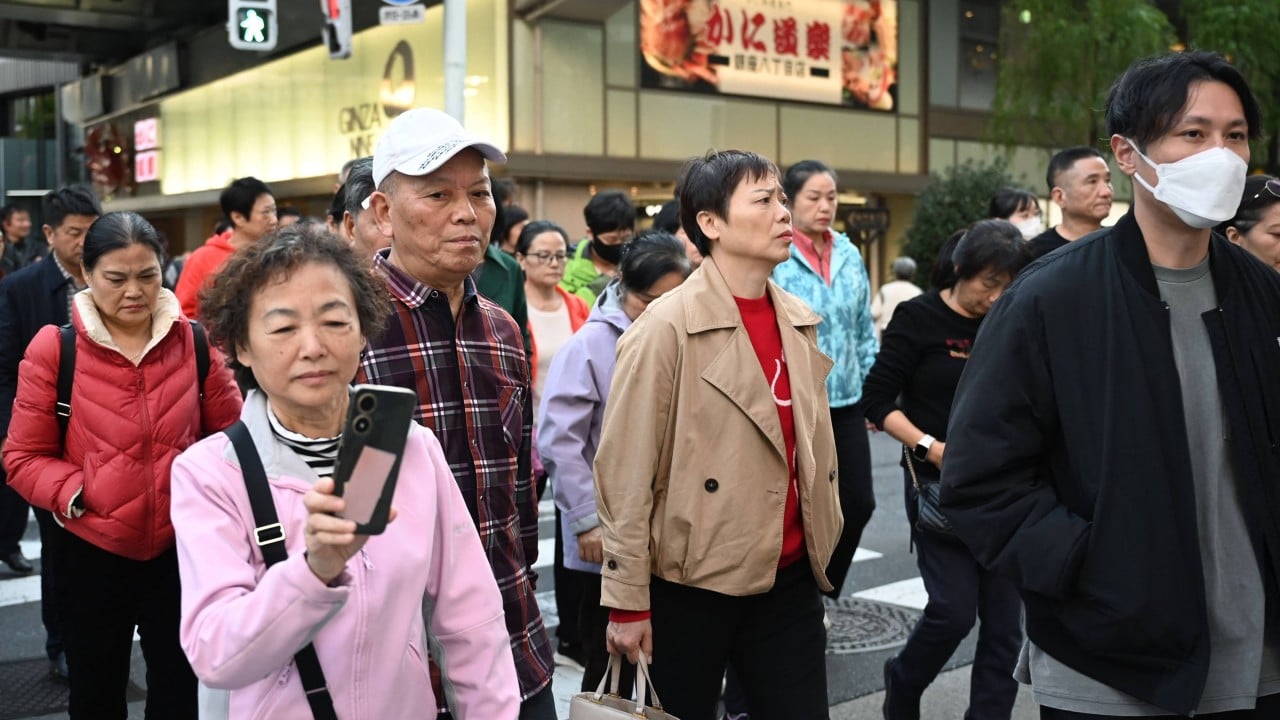
Tokyo is quietly shifting the economics of its borders, ending a half-century experiment in cheap entry. Beginning July 1, 2026, the Japanese government will execute a massive fivefold increase in foreign visa issuance fees, hitting travelers from developing Asian economies—most notably China—with unprecedented upfront costs. The price of a single-entry visa will skyrocket from 3,000 yen to 15,000 yen, while multiple-entry privileges will jump from 6,000 yen to 30,000 yen. Combined with a synchronized tripling of the international departure tax, Tokyo is signaling a sharp departure from its decade-long pursuit of raw visitor volume. While official statements frame the policy as a long-overdue administrative adjustment to match global inflation, the real story lies at the intersection of domestic political anxieties, infrastructure collapse under overtourism, and rapidly deteriorating diplomatic relations with Beijing.
For the past few years, the narrative surrounding Japanese tourism was one of unbridled triumph. A historically weak yen turned the country into a bargain-hunter's paradise, culminating in a record-breaking 42.7 million arrivals in 2025. Yet, beneath the glittering surface of packed Tokyo boutiques and crowded Kyoto temples, a quiet crisis was brewing. The sudden influx of travelers exposed severe bottlenecks in local transport, triggered intense backlash from rural communities, and fueled a conservative political movement determined to tighten the country’s borders. By raising the financial barrier to entry, the government is intentionally cooling down specific sectors of the travel market, a move that disproportionately penalizes regional neighbors while leaving Western vacationers entirely untouched.
The Mathematics of a Fivefold Increase
To understand the scale of this fiscal shift, one must look at the historical timeline. The last time Japan modified its visa issuance fees was 1978. For forty-eight years, the base cost of entering the country remained frozen, effectively depreciating in real terms as the global economy shifted. Foreign Minister Toshimitsu Motegi defended the sudden quintupling of fees as a necessary catch-up mechanic, arguing that Tokyo is simply aligning its administrative costs with the standards maintained by other Group of Seven nations.
The raw numbers tell a more aggressive story. At current exchange rates, a multiple-entry visa will now demand roughly 200 dollars upfront from an applicant. For a middle-class family of four traveling from Shanghai or Manila, the visa process alone now requires an layout of nearly 800 dollars before flights, hotels, or meals are even booked. This is not a subtle policy tweak. It is an economic filter designed to weed out budget-conscious travelers who rely heavily on independent itineraries and low-cost carriers.
The financial pressure does not stop at the embassy gates. Simultaneously, the Ministry of Finance is tripling the international tourist tax—colloquially known as the departure tax—from 1,000 yen to 3,000 yen per passenger. Automatically bundled into airline tickets, this tax increase applies to every single person exiting the country, regardless of nationality. When combined with surging local hotel taxes and the soaring costs of domestic rail passes, the price of a Japanese vacation is compounding at a rate that outpaces global inflation. The era of Japan as a cheap regional getaway is officially over.
The Targeted Geography of Border Friction
The structural design of Japan's immigration framework means that this financial penalty does not fall equally across the globe. Visitors from Western Europe, North America, Australia, and select Asian partners like Singapore enjoy visa-exempt status for short-term stays. They will never pay the 15,000 yen or 30,000 yen fee. Instead, the burden lands squarely on nations that sit outside Japan’s visa-waiver program, a list dominated by China, the Philippines, Vietnam, and India.
China, long the economic engine of Japan's retail and hospitality sectors, is the primary casualty of this policy. The timing of the fee hike coincides with a dramatic, ongoing collapse in mainland Chinese arrivals. Data from the Japan National Tourism Organization reveals that mainland Chinese visitors plummeted to just 313,000 in May 2026, representing a staggering 60.4 percent decline compared to the previous year. This marks the sixth consecutive month of shrinking arrival numbers from the mainland.
| Visa Category | Fee Before July 1, 2026 | New Fee From July 1, 2026 | Percentage Increase |
|---|---|---|---|
| Single-Entry Visa | 3,000 yen | 15,000 yen | 400% |
| Multiple-Entry Visa | 6,000 yen | 30,000 yen | 400% |
| International Departure Tax | 1,000 yen | 3,000 yen | 200% |
Geopolitical chill has metastasized into macroeconomic friction. Diplomatic standoffs over regional maritime boundaries, semiconductor export restrictions, and historical grievances have quietly eroded the appetite for Japanese travel among mainland consumers. State-backed media campaigns in China have subtly redirected domestic tourists toward Southeast Asian destinations like Thailand and Malaysia, which have aggressively courted Chinese travelers by eliminating visa requirements entirely. Tokyo’s decision to quintuple fees in the middle of this downturn acts less like an administrative update and more like an intentional deceleration of mainland tourism.
Domestic Politics and the Backlash to Abundance
To fully comprehend why Tokyo is willing to jeopardize billions of dollars in tourism revenue, one must look at the domestic political landscape guiding Prime Minister Sanae Takaichi’s conservative administration. The sheer volume of the 2025 tourism boom broke Japan's regional infrastructure. In Kyoto, local residents found themselves unable to board public buses swamped by luggage-laden travelers. In rural towns near Mount Fuji, local municipalities resorted to erecting giant black barriers to block scenic views that were causing dangerous pedestrian traffic jams.
This friction provided immense ammunition to right-wing, anti-immigration political factions like the Sanseito party, which have seen a surge in domestic popularity by campaigning on the preservation of local living standards. The Takaichi government, facing pressure from a restive rural voting base, discovered that unmitigated tourism growth was transforming from an economic blessing into a political liability.
By curbing arrivals from countries that require traditional visas, the government satisfies two domestic agendas at once. It placates the nationalist right by showing a firm, restrictive hand on border control, and it theoretically reduces the strain on overcrowded transportation networks. The policy shifts the national strategy away from mass tourism toward a high-value model, prioritizing fewer, wealthier visitors who spend lavishly over large groups traveling on tight budgets.
The Broader Crackdown on Foreign Residents
The financial walls rising around Japan's borders are not limited to short-term vacationers. A deeper look into legislative changes passed by the National Diet reveals a comprehensive restructuring of fees across all categories of foreign documentation. Long-term residents, expatriate workers, and international students are facing a radically more expensive environment.
Following a highly contested legislative session, maximum fees for permanent residency applications are set to skyrocket to 300,000 yen, a massive thirtyfold increase from the previous cap of 10,000 yen. Standard procedures like extending a visa or changing an administrative residency status will climb to 100,000 yen.
These updates paint a clear picture of a nation re-evaluating its relationship with the outside world. Japan desperately needs foreign labor to counteract its severe demographic contraction, yet the state is simultaneously demanding that these vital workers pay a steep premium for the right to remain. It is a contradictory strategy that risks alienating the very technical talent and working-class labor force that keeps Japan's convenience stores, agricultural fields, and care facilities functioning.
Technological Screening and the Pre-Entry Future
The fee hikes are merely the vanguard of a broader technological overhaul of Japan’s border security apparatus. Bureaucrats are utilizing the influx of new revenue to build a sophisticated digital surveillance network. The existing Japan eVISA system, which digitizes short-term applications for certain nationalities, is being augmented by a far more ambitious project known as JESTA.
Scheduled for full deployment by fiscal year 2028, JESTA will mimic the United States ESTA system, requiring even visa-exempt travelers to submit detailed personal information, travel histories, and financial data online prior to departure. The tripled departure tax and quintupled visa fees are directly funding this backend infrastructure. Tokyo is building a digital fortress, ensuring that every individual who steps onto Japanese soil has been thoroughly vetted, cataloged, and financially screened long before they reach an immigration counter at Narita or Haneda.
This transition transforms the very nature of travel to the archipelago. For decades, Japan positioned itself as an accessible, welcoming beacon of modern Asian hospitality. The new model is transactional, highly regulated, and explicitly expensive.
The Fragile Blueprint of High-Value Tourism
The government’s gamble rests on the assumption that Japan’s cultural allure is powerful enough to withstand these soaring costs. Foreign Minister Motegi confidently stated that the administration does not expect an immediate collapse in overall inbound numbers, pointing to the resilient demand from premium travelers in North America and Europe who benefit from currency conversions.
This view overlooks the fragile reality of the domestic hospitality ecosystem. Wealthy Western tourists spend heavily in luxury hotels in Tokyo and high-end ryokans in Kyoto, but they rarely frequent the regional destinations, budget business hotels, and independent transport networks that relied heavily on Asian tour groups. By choking off the supply of regional travelers, Tokyo risks hollowed-out tourist economies in secondary cities that invested heavily in welcoming Asian visitors over the last decade.
A tourist from Manila or Guangzhou who changes their plans due to a 30,000 yen visa fee will not be easily replaced by a luxury traveler from New York. The infrastructure of regional airports, low-cost carrier terminals, and provincial shopping malls was built for volume. Stripping that volume away through aggressive fiscal policy creates an immediate structural deficit that luxury spending cannot easily remedy. Tokyo has made its choice, bet its tourism strategy on exclusivity, and left its regional neighbors to foot the bill.

/https://tf-cmsv2-smithsonianmag-media.s3.amazonaws.com/filer/c6/97/c697b065-e0bd-4970-81ea-819779296b91/u765404inp.jpg)
