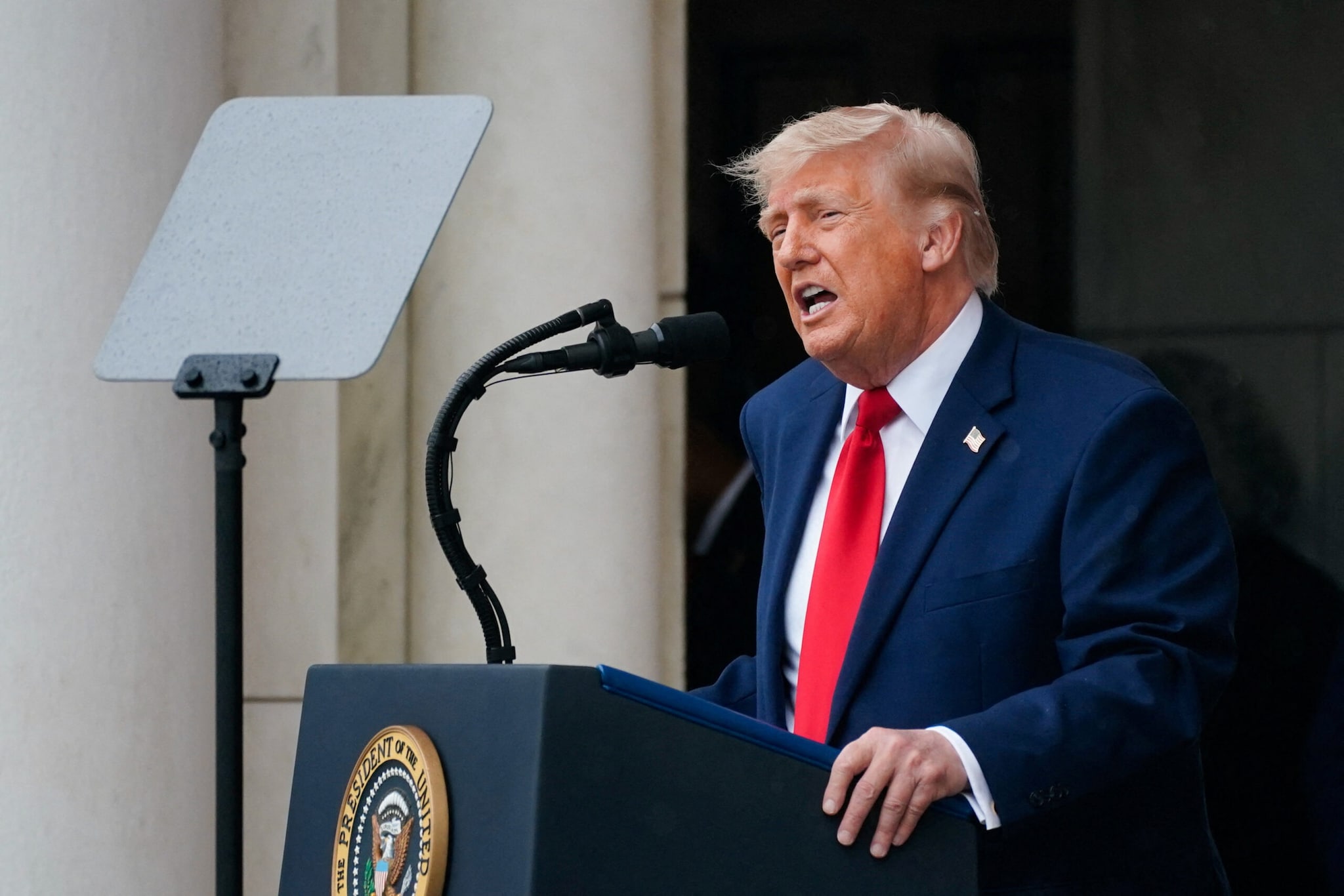
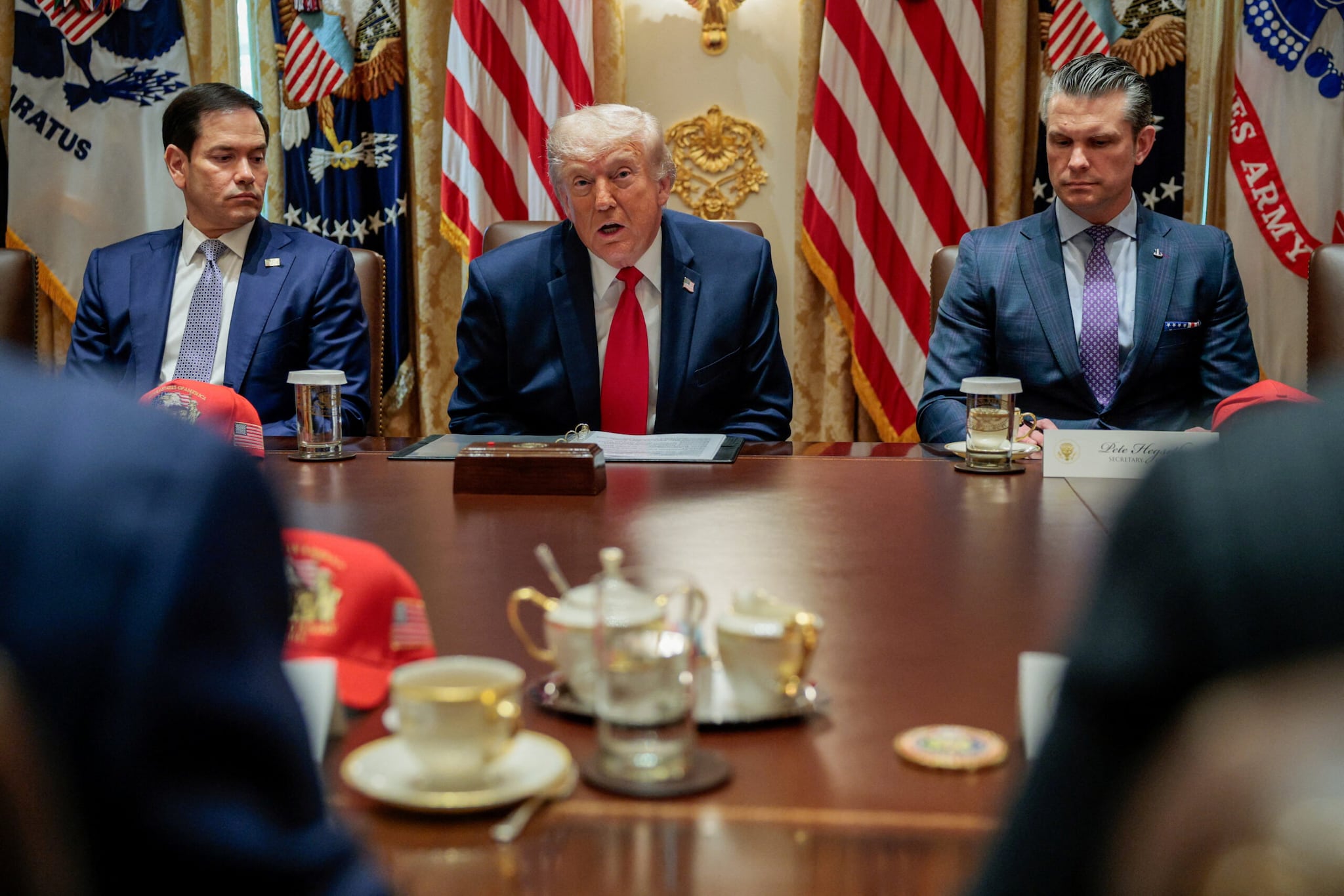
Wall Street spent the morning staring at a social media post in collective bewilderment. Donald Trump had just congratulated Citigroup and its chief executive, Jane Fraser, for ranking first in first-quarter mergers and acquisitions advisory. The trouble was that every official league table showed the bank trailing significantly behind Goldman Sachs, Morgan Stanley, and JPMorgan Chase.
Yet, as the broader market slithered into negative territory, Citigroup shares did something unusual. They spiked.
The brief market outperformance that followed the presidential endorsement looks like erratic retail trading on the surface. Look deeper, and it reveals a fundamental shift in how institutional capital is pricing political risk. The market is not buying a misquoted league table. It is buying into a calculated, multi-year campaign by Jane Fraser to position Citigroup as the preferred banking partner of the current administration. By managing Trump's personal wealth after he accused rivals of bias, appearing regularly on conservative business networks, and aligning with deregulation agendas, Citigroup has secured an intangible asset that its larger rivals currently lack.
The Backstory of a Baffling League Table
The catalyst for the trading volume was a segment on Fox Business. During the broadcast, the network praised Citigroup for topping specific advisory rankings within the power sector, featuring an interview with a senior Citi executive. Minutes later, the president amplified a distorted version of that reporting to his followers, claiming the bank had staged a massive comeback to conquer the global M&A market.
Rival investment bankers immediately mocked the claim, pointing out that the underlying numbers simply did not exist. The bank declined to comment publicly, while insiders quietly admitted they were just as confused as everyone else.
But public mockery misses the institutional mechanics of Wall Street. Stock prices do not move on accurate accounting alone. They move on expectations of future cash flows. When a president singles out a corporate entity for praise, institutional desks recognize that regulatory headwinds are shifting into tailwinds.
The Under-the-Radar Strategy of Jane Fraser
Over the past two years, the leadership at Citigroup has executed a quiet pivot. While other megabanks have maintained a cautious distance from the administration's unpredictable trade and regulatory policy, Fraser has leaned in.
She has been vocal about business optimism surrounding deregulation and faster economic growth. More importantly, she has backed those statements with actions. When other major institutions faced scrutiny over client retention policies, Bloomberg reported that Citigroup began managing Donald Trump's money, absorbing capital that other institutions hesitated to touch.
This is a complete reversal from the industry standard. For decades, global systemically important banks sought absolute political neutrality to protect their international operations. Fraser broke that mold. By joining high-profile state visits and defending the administration’s economic agenda on cable news, she has built an unprecedented line of communication with the executive branch.
Why Deregulation Favors the Weakest Giant
To understand why investors rallied behind Citigroup, one must look at the bank's unique structural vulnerabilities. Citigroup has spent years undergoing a massive internal overhaul to satisfy regulatory consent decrees regarding its risk management and data systems. These compliance efforts are incredibly expensive, consuming billions of dollars that could otherwise be used to buy back stock or expand profitable business lines.
A relaxed regulatory environment changes the math entirely. If the Federal Reserve and the Office of the Comptroller of the Currency ease their enforcement stance, Citigroup stands to gain far more than its peers.
- JPMorgan Chase is already a smoothly running engine that operates efficiently under strict rules.
- Citigroup is an engine currently undergoing emergency repairs while driving down the highway.
Any policy that lowers the compliance burden or delays costly administrative penalties provides immediate relief to Citigroup's bottom line. Investors are betting that a bank favored by the White House will find a much smoother path through the regulatory apparatus.
The Limits of Social Media Momentum
The bump in share price did not last all day. The stock eventually pulled back, mirroring a broader market slowdown driven by escalating trade tensions and geopolitical friction in the Middle East. This reversal highlights the inherent instability of trading on political favor.
A presidential endorsement can influence retail sentiment and trigger algorithmic buying programs in the short term. It cannot alter the macroeconomic reality of higher-for-longer interest rates, weakening consumer savings rates, or structural shifts in the M&A market. Institutional investors know that a true comeback for Citigroup requires sustained corporate earnings, not just a supportive social media post.
The banking sector faces severe headwinds that no politician can erase. If deal flow remains sluggish across the entire financial sector, being the top banker in a dying market means very little.
A New Playbook for Wall Street Risk
For decades, the standard play for a Wall Street CEO was to stay invisible, donate to both political parties, and let lobbyists handle the details in quiet Washington conference rooms. That playbook is dead.
Fraser’s strategy proves that corporate survival now requires active, visible alignment with political power centers. By becoming the financial institution willing to accommodate the administration's unique demands, Citigroup has insulated itself from the aggressive regulatory scrutiny that historically dogged its operations.
The outperformance of Citigroup shares during a down market was not an accident, nor was it a mistake made by confused algorithms. It was the market acknowledging that in the current economic era, political alignment is just as valuable as a pristine balance sheet. The real test will be whether Citigroup can convert this temporary political capital into actual, verifiable revenue before the broader market environment sours completely.