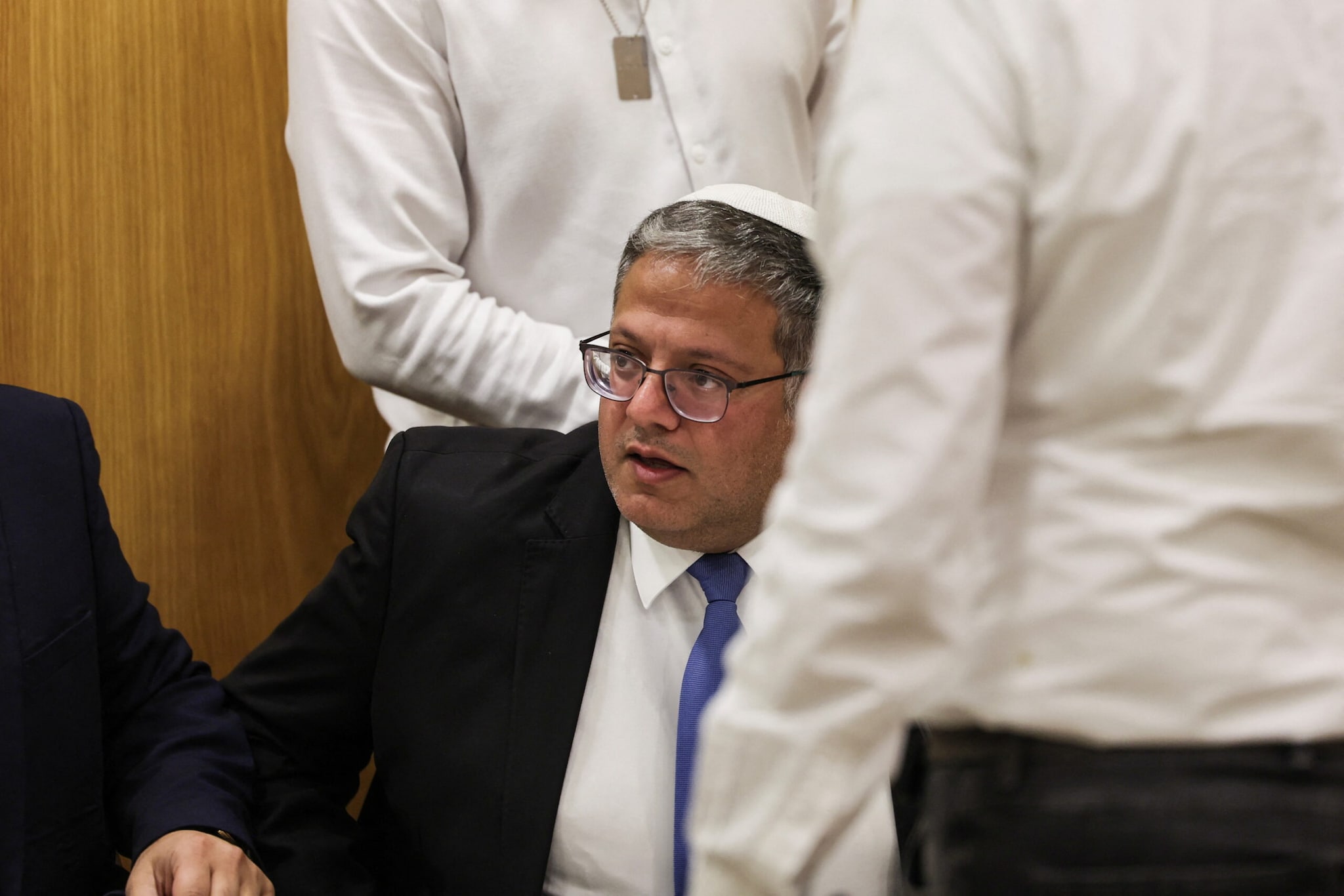
Mainstream news outlets just swallowed the bait again. When an Israeli minister vents on social media that "all of Lebanon must burn" following the tragic loss of four soldiers, the media rushes to print the most sensationalist headlines possible. They paint a picture of an imminent, unhinged regional apocalypse. They treat the emotional outbursts of far-right coalition partners as literal, operational military doctrine.
It is lazy journalism, and it fundamentally misunderstands how modern warfare, deterrence, and political theater actually function.
The media wants you to believe that wartime rhetoric is a direct blueprint for military action. It isn't. Having spent years analyzing geopolitical risk and defense policy in volatile regions, I can tell you that the loudest voices in a war cabinet are almost always the ones with the least operational control. Shouting into the digital void is a classic political survival mechanism, designed to appease a furious domestic base, not to signal a tactical shift on the ground.
By focusing entirely on the shock value of incendiary quotes, observers miss the actual mechanics of the conflict: a cold, calculated war of attrition where both sides know exactly where the red lines are, regardless of what they say in public.
The Myth of the Unhinged Superpower
The prevailing narrative suggests that Israel is on the verge of turning its northern neighbor into a wasteland out of pure vengeance. This completely ignores the rigid constraints of logistical reality and international alignments.
No modern military, no matter how technologically advanced, operates in a vacuum. A full-scale invasion or total destruction of Lebanon's infrastructure would require an unconditional green light from Washington, an endless supply of precision-guided munitions, and a domestic economy willing to endure months of total mobilization. None of those conditions exist right now.
Consider the data from past conflicts, such as the 2006 Lebanon War. Total escalation yields diminishing returns and massive economic blowback. The Israeli defense establishment is hyper-aware that a collapsed Lebanese state benefits no one, least of all Israel. A chaotic vacuum on the northern border simply invites more entrenched, unaccountable non-state actors to fill the void.
When a politician tells you they want to "burn" a country, they are practicing domestic theater, not statecraft. The real decisions are made in quiet rooms by generals looking at fuel reserves, air defense interception rates, and diplomatic leverage.
Psychological Deterrence vs. Operational Reality
Why do officials use this language if it doesn't align with military reality? The answer lies in the grim logic of psychological deterrence.
In the Middle East, weakness is an invitation to aggression. When four soldiers are killed, a nation's deterrence posture takes a hit. The immediate institutional response is to project overwhelming, almost disproportionate fury to signal to adversaries that further attacks will carry an unbearable cost.
- The Public Stance: Total destruction, zero compromise, apocalyptic threats.
- The Operational Reality: Proportional retaliatory strikes, targeted assassinations, and back-channel messages sent through intelligence intermediaries to prevent total war.
The danger of the media's hyper-focus on the public stance is that it creates a feedback loop of panic. It elevates the risk of miscalculation. If the public and the adversary both begin to believe the unhinged rhetoric is literal policy, the room for diplomatic maneuvering shrinks to zero.
Dismantling the Flawed Questions
If you look at the standard queries dominating search engines right now, you can see how badly the public has been misled by sensationalist reporting. The premise of almost every question asked online is fundamentally flawed.
Will Israel invade Lebanon tomorrow?
This question assumes military deployments happen based on a minister's social media feed. Armies move on logistics, intelligence, and strategic timing, not emotional reactions to casualties. An invasion requires weeks of visible troop concentrations, reserve call-ups, and international diplomatic positioning. Shouting about burning a country is usually a sign that a politician is frustrated by the lack of immediate military options, not that an invasion is imminent.
Why won't the UN stop the escalation?
This premise assumes international bodies possess the teeth to enforce peace between deeply entrenched adversaries. The UN Interim Force in Lebanon (UNIFIL) has been stationed in the south for decades, yet it remains fundamentally incapable of preventing cross-border friction. Security is maintained through a balance of terror and mutual deterrence, not resolutions passed in New York.
The Cost of the Counter-Intuitive Approach
Admitting that incendiary rhetoric is mostly theater carries an uncomfortable downside. It means acknowledging that we are trapped in a prolonged, grinding status quo. It means accepting that low-level conflict, tragic casualties, and terrifying headlines will continue indefinitely because neither side can afford a total victory or a total defeat.
It is far easier for the human mind to process a narrative of imminent total war than it is to accept the agonizing reality of permanent instability. But if you want to understand where the region is actually heading, you have to tune out the noise of the political fringes.
Stop reading the headlines that quote the loudest man in the room. Look at the troop movements. Watch the supply lines. Follow the money and the diplomatic cables. Everything else is just smoke and mirrors designed to keep you angry, panicked, and clicking.
The next time a politician threatens to burn a nation down, realize that they are speaking to their voters, not their generals. Treat the rhetoric with the cynical detachment it deserves, or remain a permanent hostage to the rage bait machine.


