Quebec loves to brag about its clean energy. It's an easy flex when hydro dams provide nearly all the provincial electricity grid's juice. But electricity is only part of the story. When you look at the total energy consumed across the province—including the gas in cars, the oil heating older buildings, and industrial fuels—the clean energy picture shrinks dramatically.
Right now, 52% of the total energy consumed in Quebec comes straight from fossil fuels.
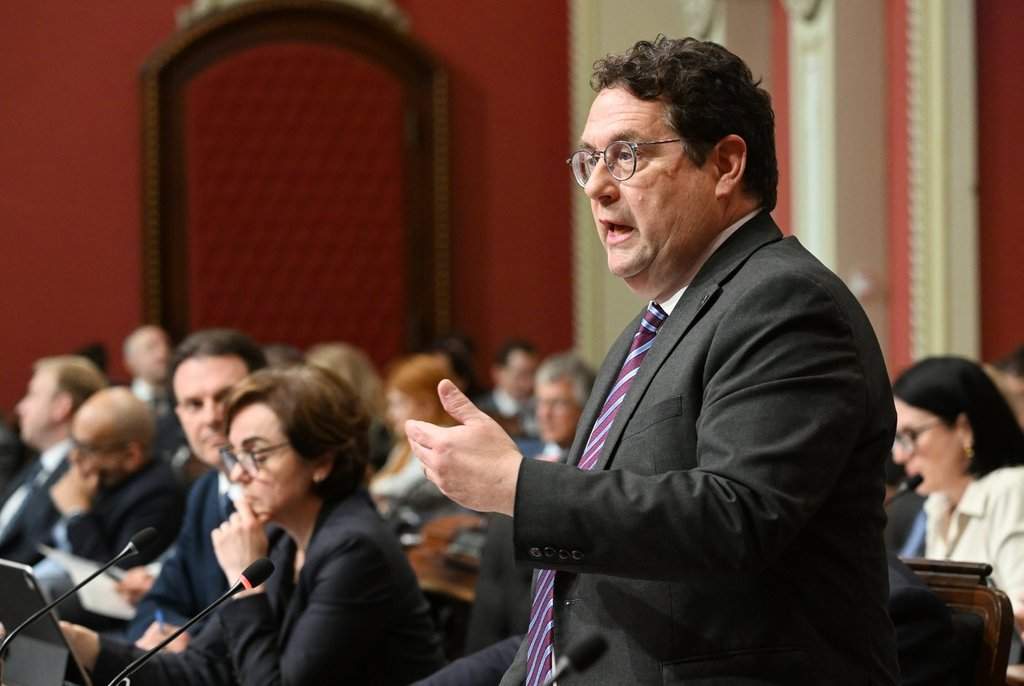
To fix this, Energy Minister Bernard Drainville announced a sweeping 25-year resource management plan in Varennes. The headline number is staggering. The province is putting down an $87 billion bet to force renewables up to 77% of total energy consumption by 2050. The plan aims to slash the fossil fuel share down to a mere 23%.
It's an incredibly aggressive move. It's also a logistical and financial tightrope walk that could easily go sideways.
The Reality of the Billions
Let's look closely at where this money is going. The $87 billion isn't just a minor line item; it's a massive capital injection targeting a mix of upgrades and new builds. The province plans to channel these funds into retrofitting aging hydroelectric power plants, expanding wind farms, adding solar installations, and scaling up bioenergy production.
Here's the kicker. This massive $87 billion fund sits almost entirely on top of Hydro-Quebec's existing capital plans. The provincial utility already has a monster $200 billion plan locked in through 2035 to boost capacity and fix a grid plagued by reliability issues.
Government officials admit there's a little bit of overlap between the two giant piles of cash. The problem? They can't tell anyone exactly how much overlaps. That lack of precision shouldn't shock anyone who tracks infrastructure spending, but it raises valid questions about cost controls.
Why Hydro Alone Won't Cut It anymore
For decades, Quebec simply built another dam whenever it needed more power. Those days are over. Building massive new reservoirs takes too long, costs too much, and faces intense environmental and regulatory scrutiny.
To hit that 77% renewable target, the province has to diversify quickly. That means turning to sources that haven't always been the main event in Quebec.
- Wind Power: The province wants to integrate thousands of megawatts of new wind capacity, relying on regional private developers and partnerships with local communities.
- Solar Power: Long dismissed as impractical for a northern climate, small-scale solar installations and residential setups are now being treated as critical peaking support for the main grid.
- Bioenergy and Green Hydrogen: Substantial chunks of the plan rely on using agricultural and forestry waste to replace natural gas in heavy industrial applications where pure electricity falls short.
This diversification introduces a brand new problem: intermittency. Hydro power is great because you can store water behind a wall and release it when demand peaks. Wind and solar don't work that way. Balancing a grid that relies heavily on volatile wind generation alongside legacy hydro requires sophisticated management and upgraded transmission lines.
The Industrial Catch-22
The driving force behind this plan isn't just regular citizens buying electric cars. It's industry. Quebec has positioned itself as a green haven for manufacturing, data centers, and battery plants. Companies are moving to the province explicitly to use its clean power to meet their corporate sustainability targets.
But the province is running out of surplus power. Hydro-Quebec has already had to turn away industrial projects because the grid can't handle the load. The province expects electricity demand to jump by 60 terawatt-hours by 2035. That's a massive surge, roughly equivalent to doubling the power consumption of a city the size of Montreal.
If the government fails to build out this new infrastructure fast enough, it faces two terrible options. It can either halt economic growth by rejecting lucrative industrial projects, or it can keep burning fossil fuels to keep the lights on, torpedoing its own 2050 climate goals.
What This Means for Business Leaders and Investors
If you operate a business in Quebec, or plan to invest there, this strategy changes your roadmap. You can't just assume cheap, infinite power will be waiting for you.
First, expect tighter energy efficiency mandates. The government's plan counts on businesses and homeowners cutting their consumption through smarter building systems and better insulation. Efficiency isn't a suggestion anymore; it's a core pillar of the strategy to save capacity.
Second, look at the supply chain opportunities. An $87 billion spending plan means a massive influx of contracts for engineering firms, construction companies, wind turbine suppliers, and tech providers specializing in grid management. Local sourcing and partnerships with Indigenous communities will likely be major prerequisites for winning these government-backed contracts.
To prepare for this shift, your next steps should be highly practical. Conduct a comprehensive energy audit of your current facilities to identify where you can transition away from natural gas. If you're planning expansions, engage with Hydro-Quebec early to secure capacity commitments, and design your facilities to integrate onsite solar or thermal storage to insulate your operations from potential grid volatility. This transition isn't just an environmental initiative; it's a fundamental restructuring of the provincial economy.