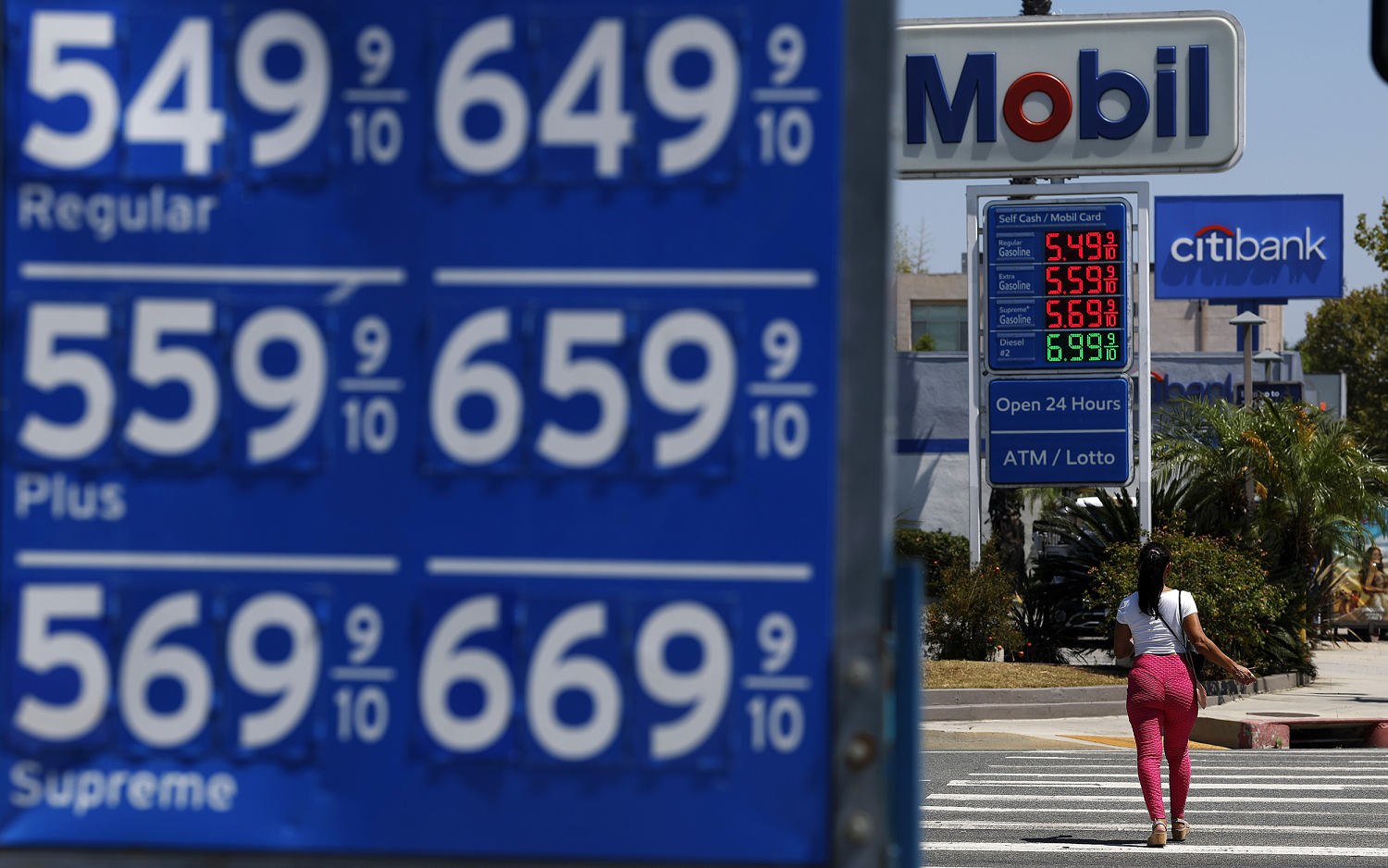
The numbers on the digital marquee at the corner gas station do not just represent the price of a gallon of unleaded. They function as a psychological barometer for the American voter. When those numbers spike, the tension in the air becomes palpable. You can see it in the way a driver grips the steering wheel, or hear it in the heavy sigh of a commuter watching the dollars tick upward faster than the gallons. High gas prices act as a direct tax on the working class, a relentless drain on monthly budgets that forces families to make hard choices between filling the tank and buying groceries.
Politicians understand this dynamic perfectly. They know that a citizen angry at the pump is a citizen looking for someone to punish at the ballot box.
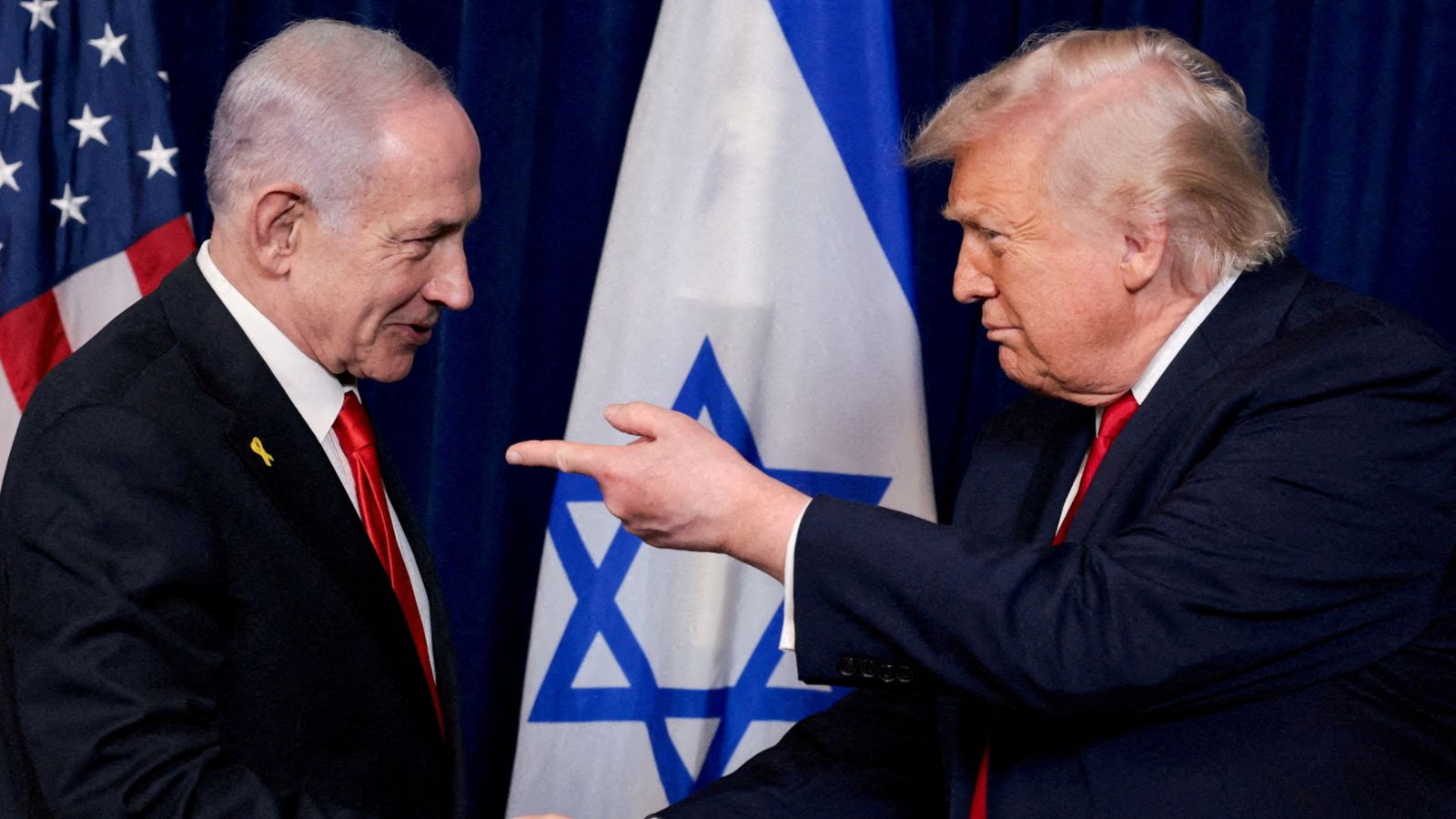
In a unexpected political pivot, Donald Trump shifted his focus directly toward the boardrooms of the world’s largest oil conglomerates. He leveled a heavy accusation, alleging that these corporate giants are actively engaging in price gouging to artificially inflate their profits at the expense of everyday consumers. Going a step further, he called for a formal Department of Justice investigation into potential antitrust violations and price manipulation within the energy sector.
It was a rhetorical move that caught both allies and adversaries off guard. For years, the political narrative around energy prices was cleanly divided along partisan lines. One side blamed restrictive environmental regulations and frozen drilling permits; the other blamed corporate greed and a systemic reliance on fossil fuels. By stepping forward to demand a federal probe into corporate misconduct, Trump disrupted the expected script.
To understand why this move resonates so deeply, look at a hypothetical consumer. Let's call her Sarah. Sarah drives a mid-sized SUV thirty miles each way to her job at a regional logistics center. She doesn't follow macroeconomic policy, OPEC production quotas, or refining capacity metrics. What she knows is that a year ago, filling her tank cost fifty dollars. Today, it costs nearly eighty. That thirty-dollar difference represents her weekly coffee budget, her daughter's gymnastics class, or the savings cushion she is trying to build. When Sarah stands on the pavement, watching the numbers climb, she feels a profound sense of helplessness. The system feels rigged against her.
When a political figure steps up to a microphone and declares that Sarah’s instinct is entirely correct—that she is being cheated by wealthy executives in tailored suits—it provides an instant, powerful sense of validation.
The underlying reality of global oil markets is vastly more intricate than a simple narrative of good versus evil. Oil is a globally traded commodity, its price dictated by an incredibly complex web of supply, demand, geopolitical instability, and corporate strategy. When the pandemic crippled global travel, demand cratered, and oil prices briefly dropped below zero. Refineries shut down, production halted, and investment dried up. When the world economy surged back to life, demand skyrocketed, but the infrastructure to produce and refine that oil could not simply be turned back on with the flip of a switch.
Simultaneously, public oil companies faced intense pressure from Wall Street. For a decade, these companies spent billions chasing production volume, often yielding poor returns for investors. When prices rebounded, shareholders demanded capital discipline. They wanted dividends and stock buybacks, not massive investments in expensive new drilling projects that might take years to pay off.
This intersection of restricted supply and disciplined corporate strategy created a perfect storm for record-breaking corporate profits. While the average driver felt the squeeze, oil companies reported historic earnings.
This glaring disparity creates a potent political opportunity. Accusing oil companies of collusion and gouging taps into a deep-seated populist anger that spans the political spectrum. It shifts the blame away from government policy, taxation, or unavoidable global market forces, and places it squarely on a visible, wealthy antagonist.
Demanding a Department of Justice probe is a significant escalatory step. A formal antitrust investigation possesses immense power. It grants federal investigators the authority to subpoena internal communications, review pricing algorithms, and examine whether competitors are actively conspiring to keep supply low and prices high. Historically, proving explicit collusion in the oil industry has been notoriously difficult. Companies do not need to sit in a smoky room to match each other's prices; they simply watch the public ticker and adjust their rates to maximize returns within a legal framework.
The true value of calling for an investigation often lies less in the eventual legal outcome and more in the immediate political theater. The announcement itself serves as a shield and a sword. It signals to the public that someone is fighting on their behalf against powerful corporate interests.
Consider what happens next when these corporate giants are forced onto the defensive. They must publicly defend their profit margins while millions of people struggle to afford their daily commute. They must explain complex refining margins and global supply chains to an audience that is fundamentally exhausted by rising costs. It is a public relations battle that corporations almost always lose, regardless of the economic data on their side.
The debate over gas prices exposes a deeper vulnerability in modern life. We are utterly dependent on a vast, invisible infrastructure that we do not control and can barely comprehend. We rely on oil pumped from deep beneath distant deserts, transported across volatile oceans, processed in massive coastal refineries, and delivered to a local corner pump just so we can get to work on Tuesday morning. When that fragile chain experiences a hiccup, or when corporate strategies shift, the consequences land directly on the wallets of ordinary citizens.
The anger felt at the pump is entirely justified. The search for accountability is a natural human response to financial pain. Whether a federal investigation yields evidence of systemic wrongdoing or simply dissolves into political grandstanding, the underlying friction remains unresolved. The numbers on the marquee will continue to fluctuate, flashing in the night, serving as a constant reminder of the delicate balance between corporate power, global markets, and the quiet struggles of everyday life.