Trust isn't a commodity you can pause, reschedule, or bundle into a more convenient calendar slot. Yet, that's exactly what the City of Montreal is trying to do with its fractured relationship with the residents of Montréal-Nord.
The public assembly meant to address the horrific racism allegations within Montreal Police Service (SPVM) Station 39 has been pushed back. Originally scheduled for July 8, the meeting is delayed until August 11. The official reason given by city spokesperson Camille Bégin is respect. The civic funeral for Mohamed Lamine Benredouane, a Montreal police officer killed in a tragic shooting on June 22, conflicts with the timeline.
The grief of the police community is real. Nobody denies that. But using a tragedy to stall a critical reckoning on systemic, stomach-churning police misconduct is a bad look. It signals to a deeply traumatized community that their safety and dignity can wait.
The Trophies of Station 39
To understand why this delay is a massive misstep, you have to look at what actually happened. This isn't a case of a single officer being rude during a traffic stop. This is a systemic rot.
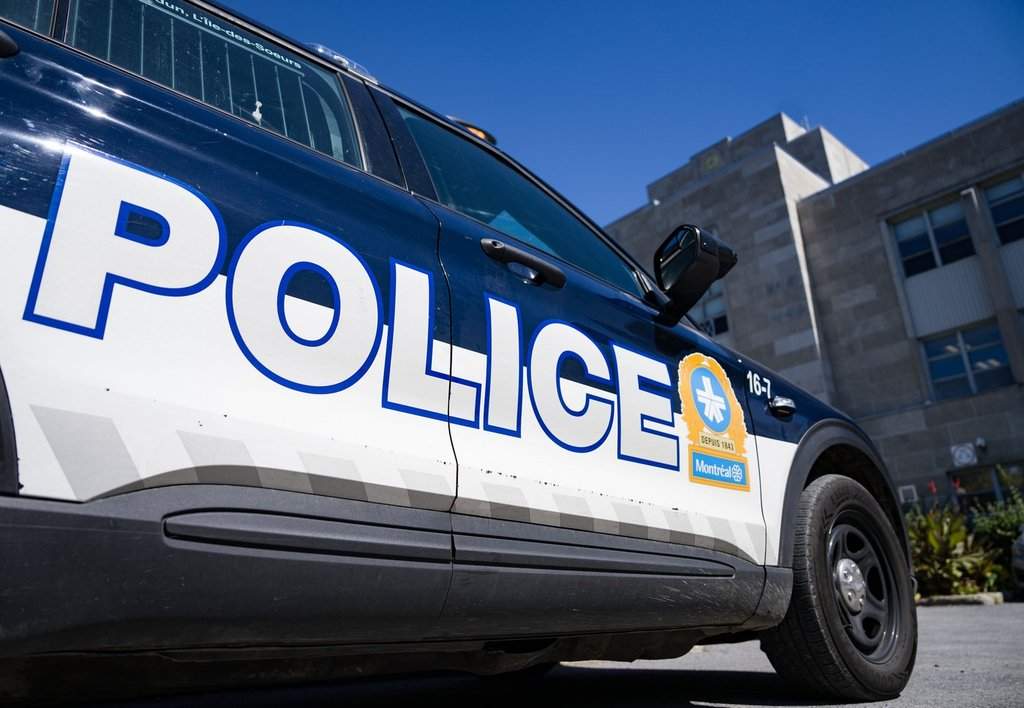
During a late-night press conference on June 12, SPVM Chief Fady Dagher dropped a bombshell. An entire 16-member night patrol unit at Station 39 in Montréal-Nord was dismantled. Two officers were suspended, and 14 others were reassigned.
The details that emerged later are grotesque. Media reports revealed that officers allegedly cut off the dreadlocks of Black and racialized community members, keeping them as "trophies". Read that again. In 2026, in a major Canadian metropolis, police officers are accused of physically degrading citizens and keeping parts of their hair as spoils of war.
It’s barbaric. It's sadistic. Honestly, it sounds like something out of a dark historical text, not modern-day policing.
Montreal Mayor Soraya Martinez Ferrada didn't mince words, stating she was "at a loss for words" and noting that no one in the Black or Arab communities should have to feel this fear. Her own husband, who is Black, has been pulled over repeatedly for random street checks. This is personal for the residents, and it's pervasive.
Rescheduling Accountability
When the news broke, the city initially canceled a public review of the police department’s annual report, opting for a closed-door meeting with Dagher instead. The public pushed back, demanding a direct forum. They got a date: July 8.
Now, that date is gone. Pushed into mid-August, when half the city is on vacation and political momentum naturally slows down.
Timeline of Postponements:
- June 22: Public review of annual report postponed after initial scandal.
- July 8: Rescheduled public forum on racism allegations postponed.
- August 11: New proposed date for the public assembly.
Bureaucrats love delays. They hope the outrage will cool down, that the protests will fizzle out, and that by August, the heat will be off. But for the people living in Montréal-Nord, the fear doesn't take a summer vacation. Every day that passes without a transparent, public accounting from Chief Dagher is a day that the SPVM operates under a cloud of deep illegitimacy.
The Fight for an Independent Inquiry
Right now, Quebec Domestic Security Minister Ian Lafrenière—who happens to be a former SPVM officer—has only appointed an independent observer, lawyer Anne-Marie Boisvert, to oversee the internal investigation.
That is nowhere near enough. The police investigating the police doesn't work. It has never worked.
Mayor Martinez Ferrada has rightly called for a full independent public inquiry. Activists and community groups are out in the streets demanding the same. Yet, Quebec Premier Christine Fréchette is sitting on the fence, claiming she wants to see the results of the internal look before deciding on a public inquiry.
That's backwards logic. If the allegations involve a systematic hunt for "trophies" within a local precinct, the institution itself cannot be trusted to run the microscope.
Concordia University researcher Ted Rutland pointed out that these horrific acts are a direct escalation of unchecked street checks and abuses of power. The city already has $40 million sitting in a budget for body cameras, but provincial red tape has kept them from being fully deployed.
What Needs to Happen Right Now
We don't need to wait until August 11 to see action. If the city wants to prove it actually cares about the racialized communities of Montréal-Nord, leaders need to move immediately on several fronts.
- Enact an Immediate Moratorium on Street Checks: Mayor Martinez Ferrada called for a suspension of random police stops. Chief Dagher needs to implement this tomorrow. Random checks are the entry point for racial profiling.
- Bypass Provincial Delays on Body Cameras: The funds are there. The city needs to cut through the bureaucracy and equip Montréal-Nord officers with rolling cameras immediately.
- Commit to the Public Inquiry: Premier Fréchette needs to stop waiting. Order a fully independent, transparent public inquiry that looks not just at Station 39, but at the systemic culture across the entire SPVM.
Postponing a meeting might make scheduling easier for city hall, but it leaves an open wound bleeding in Montréal-Nord. True respect for the community means facing the ugly truth out in the open, without delay.