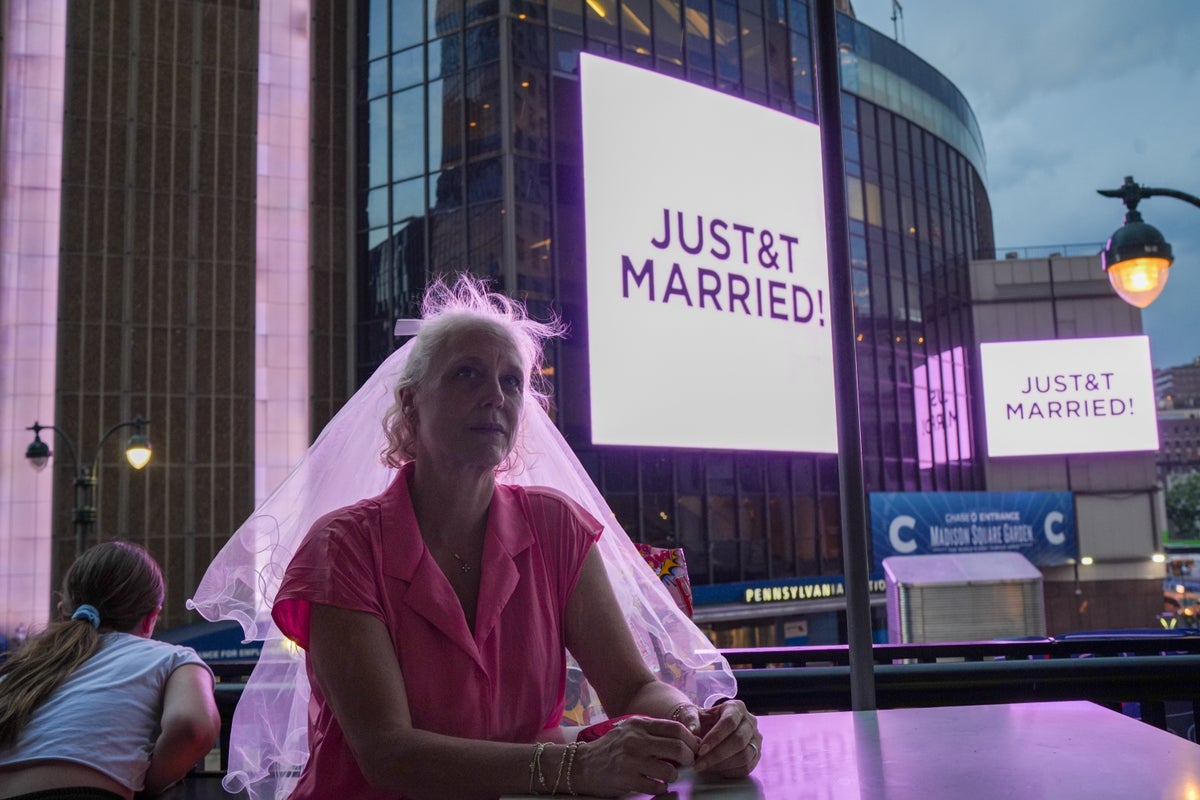
A viral video recently captured a newlywed couple in full wedding attire bypassing their own reception to party at a Pitbull concert alongside twenty thousand screaming fans. While casual onlookers treated it as a feel-good human-interest blip, the moment exposes a much larger cultural shift. Armando Christian Pérez—known globally as Pitbull or Mr. Worldwide—has quietly constructed an unshakeable live-entertainment empire that defies the standard laws of modern celebrity. While legacy rock acts rely on nostalgia and pop starlets depend on hyper-produced streaming metrics, Pitbull has weaponized pure, unadulterated escapism to become the most reliable subculture in the arena economy.
To understand why a couple would choose a stadium floor over their own wedding cake, you have to look at the mechanics of the modern live-music market. Ticket prices are at an all-time high. Fans are burnt out by dynamic pricing models, sterile performances, and artists who treat touring like a chore. Pitbull represents the exact antithesis of this fatigue. He delivers a high-octane, club-inspired marathon that treats the audience as co-conspirators in a collective party. It is a formula built on cross-generational appeal, relentless branding, and an acute understanding of working-class leisure economics.
The Counter-Cyclical Pop Star
Most pop icons build their brands on exclusivity. They cultivate an aura of untouchable distance, releasing cryptic social media posts and charging thousands of dollars for a brief VIP glimpse. Pitbull went the opposite direction. He made himself completely available. By leaning into corporate partnerships, turning memes into marketing triumphs, and maintaining a touring schedule that would exhaust artists half his age, he democratized the arena experience.
He occupies a unique space in the entertainment industry. He is simultaneously a corporate pitchman and a populist hero. When internet trolls famously rigged a Walmart promotional contest in 2012 to send him to the most remote store in America—located in Kodiak, Alaska—most artists would have backed out or let their legal teams find a loophole. Pitbull hopped on a plane, embraced the local community, and turned a public mockery into a masterclass in brand loyalty.
This blue-collar approach to superstardom creates a distinct psychological bond with his audience. When people buy a ticket to his show, they know exactly what they are getting. There are no experimental deep cuts, no moody political monologues, and no artistic pivots that alienate the casual listener. It is a hit-heavy, high-tempo product delivered with corporate efficiency and nightclub energy.
Deconstructing the Multigenerational Appeal
Watch the crowd at any major stadium stop and the demographic data paints a fascinating picture. You will see Gen Z college students singing along to tracks released when they were in diapers. You will see millennial couples celebrating major milestones. You will see older demographics who appreciate the classic showmanship reminiscent of old-school Vegas entertainers.
This broad appeal is not an accident. The sonic architecture of his music relies on a deeply ingrained familiarity.
- Interpolation of Classics: His biggest tracks frequently sample recognizable hooks from legacy rock, disco, and R&B hits, instantly hooking listeners who might not otherwise engage with modern Latin pop or hip-hop.
- Bilingual Accessibility: He seamlessly blends English and Spanish, creating an inclusive atmosphere that reflects the shifting demographics of global music consumers without alienating monolingual audiences.
- High-BPM Consistency: The tempo rarely drops below 120 beats per minute, maintaining a physiological state of excitement throughout the entire performance.
By stripping away the pretense of high art, he satisfies a fundamental human desire for unpretentious celebration. In an era defined by hyper-fragmented music tastes and algorithmic isolation, an arena packed with thousands of people yelling the same simple catchphrases represents a rare form of monocultural unity.
The Economics of Shared Escapism
Live entertainment has become prohibitively expensive for the average consumer. When a consumer decides to allocate their limited discretionary income to a concert ticket, they are making a calculated risk assessment. They want a guaranteed return on investment.
Hypothetically, if a consumer spends three hundred dollars on a ticket to see a temperamental indie artist, they run the risk of a low-energy performance or an unfamiliar setlist. Pitbull removes that financial anxiety from the equation. He operates his tours with the precision of a high-end hospitality franchise. The choreography is tight, the sound engineering is optimized for maximum bass impact, and his personal energy never wavers.
This reliability transforms his concerts from simple musical events into destinations for major life events. People do not just go to watch him; they go to mark occasions. Birthdays, bachelorette parties, and yes, even weddings, are increasingly superimposed onto his tour dates because his brand acts as a shortcut to guaranteed fun.
The Post-Streaming Blueprint
The traditional music industry model is broken. Streaming payouts are fractions of a cent, and charting on the Billboard Hot 100 no longer guarantees sustained cultural relevance. True longevity in the current entertainment market requires transitioning from an audio product to a lifestyle ecosystem.
Pitbull understood this transformation long before his peers. He parlayed his musical success into a diverse business portfolio that includes a SiriusXM radio channel, educational initiatives, spirits, and strategic corporate endorsements. These ventures feed back into his music career, creating a self-sustaining ecosystem that keeps his catalog relevant without relying heavily on modern streaming algorithms.
He does not need a current number-one single to sell out stadiums. His entire body of work functions as a singular, continuous anthem for celebration. While critics historically dismissed his lyrical simplicity, that very simplicity has given his music an evergreen quality that resists aging.
The Future of Stadium Populism
The music industry will continue to fracture into niche micro-genres, and major record labels will keep chasing short-lived viral trends. Yet the demand for massive, communal, high-energy live experiences will remain unchanged. Artists who attempt to mimic Pitbull's success often fail because they lack the authentic work ethic and the lack of ego required to pull it off. You cannot fake that level of enthusiasm night after night.
The couple abandoning their reception for an arena floor is not a bizarre anomaly. It is a logical response to a culture starving for uninhibited joy. As long as the world remains stressful and unpredictable, there will be a highly lucrative market for an entertainer who promises to shut out the noise, turn up the bass, and treat twenty thousand strangers like VIP guests at the biggest party on earth. Artists who want to survive the grueling realities of the modern touring market need to stop looking at the charts and start looking at the stadium floor.