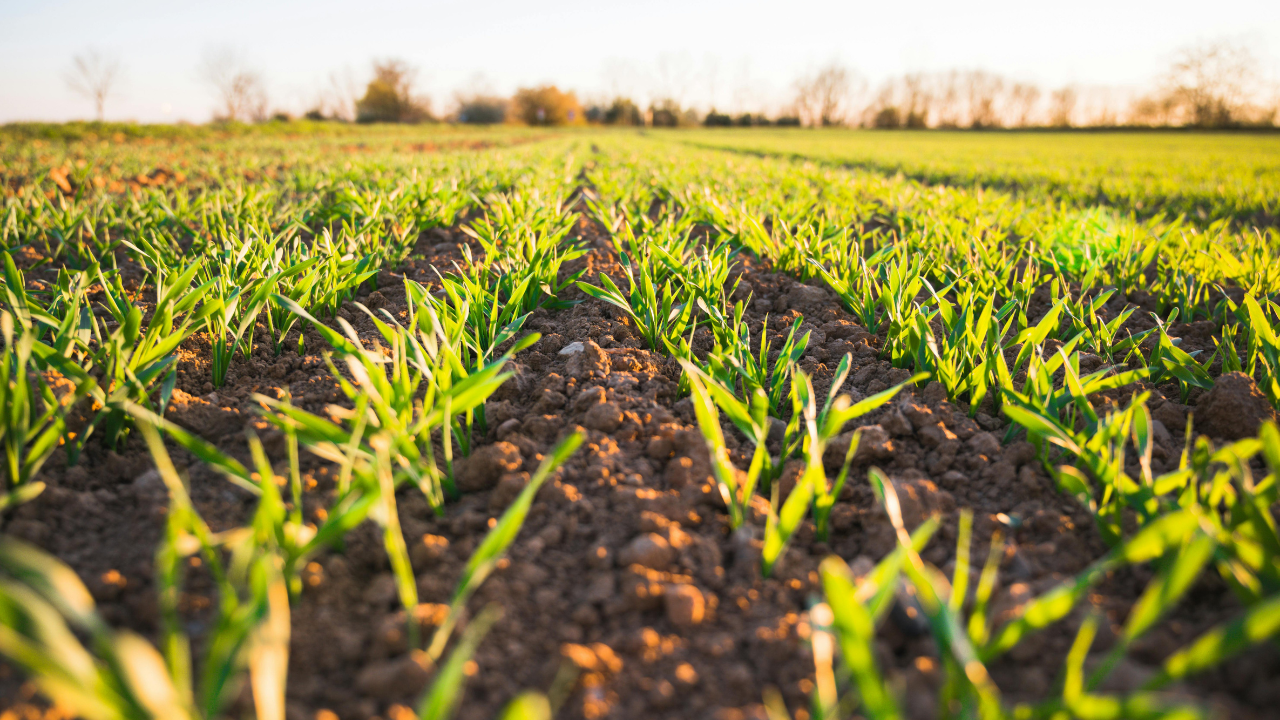
Global agriculture is facing a quiet, chemical reckoning. For decades, the modern food system has relied on a linear, unsustainable math: mine rock phosphate from a handful of geopolitically sensitive reserves, process it into chemical fertilizer, dump it onto crops, and watch the excess wash into waterways. But recent breakthroughs in soil science have revealed a massive, hidden reservoir of legacy phosphorus locked tightly within the earth’s crust. This overlooked bounty, bound to soil particles by iron and aluminum oxides, represents billions of dollars in trapped nutrients that could reshape the geopolitics of food security and break our dependence on destructive mining practices.
The stakes are higher than a simple shift in fertilizer sourcing. The world's agricultural machine runs on three core inputs: nitrogen, phosphorus, and potassium. While nitrogen can be pulled from the air via energy-intensive processes, phosphorus must be dug out of the ground.
The Geological Chokepoint
The global supply chain for food rests on an incredibly fragile foundation. A staggering percentage of the world’s remaining high-grade phosphate rock sits in Morocco and the Western Sahara region. The rest is scattered across a few dominant nations, including China, the United States, and Russia.
This geographic concentration turns a basic agricultural input into a volatile geopolitical tool. When supply chains fracture or export restrictions hit, fertilizer prices skyrocket, and the cost of growing grain spikes globally. The vulnerability is structural, systemic, and deeply entrenched.
Farmers have spent generations applying more phosphorus than crops can actually absorb in a single season. Because phosphorus binds tightly to soil minerals almost immediately upon contact, only a fraction of the fertilizer applied makes it into the plant. The rest accumulates year after year, forming a massive bank of legacy phosphorus that is completely inaccessible to standard crops.
Unlocking the Soil Chemistry Bank
The secret to accessing this multi-billion-dollar reservoir lies in the rhizosphere, the narrow zone of soil directly influenced by root secretions and microorganisms. In undisturbed ecosystems, native plants have spent millennia developing sophisticated survival mechanisms to extract tightly bound nutrients. They secrete organic acids like citrates and malates, which act as natural chelating agents. These acids essentially nudge the iron and aluminum aside, grabbing the phosphorus and making it water-soluble.
The Role of Root Architecture
Different plants employ radically different strategies to mine the soil. Some species develop dense networks of fine root hairs that maximize surface area contact with soil particles. Others forge symbiotic relationships with mycorrhizal fungi, extending their reach far beyond the physical limits of the root zone itself.
Engineers and agronomists are now analyzing these traits to design new cropping systems. For instance, researchers are identifying specific genes responsible for high organic acid exudation. By breeding these traits into mainstream cereal crops like wheat, maize, and rice, scientists aim to create varieties that can actively unlock their own fertilizer from the legacy banks already present in the soil.
Microbial Inoculants and the Biological Matrix
Beyond plant breeding, a commercial race is underway to commercialize soil microbes that specialize in phosphorus solubilization. Certain strains of bacteria and fungi are highly efficient at dissolving inorganic phosphorus compounds.
When applied to seeds or soil, these living treatments act as microscopic miners. However, the transition from controlled laboratory success to the chaotic reality of open-field farming remains difficult. A microbe that thrives in a sterile petri dish often gets outcompeted or killed when introduced to the harsh, complex ecosystem of a commercial farm field.
The Complications of a Biological Shift
Transitioning from cheap, predictable chemical inputs to complex biological systems is not a straightforward victory. The heavy reliance on synthetic fertilizers did not happen by accident; it occurred because chemical applications deliver consistent, predictable yield bumps that keep large-scale food production profitable.
- Variable Soil Profiles: A biological solution that works perfectly in the acidic, iron-rich soils of the American South may completely fail in the alkaline, calcium-heavy soils of the Midwest.
- Economic Inertia: The entire agricultural supply chain, from equipment manufacturers to retail distributors, is built around bulk chemical delivery. Switching to precision biologicals requires a fundamental restructuring of farm infrastructure.
- The Time Horizon: Unlocking legacy nutrients takes time. It does not provide the immediate, vibrant green chemical surge that traditional farmers are accustomed to seeing a week after application.
If a farm cuts back synthetic inputs too quickly in a bid to rely on soil reserves, it risks immediate yield drag. In a low-margin business, even a minor dip in production can trigger bankruptcy.
The Environmental Double Dividend
The benefits of tapping into this hidden soil reservoir extend far beyond the balance sheets of independent farmers. When synthetic fertilizer is over-applied, the excess does not just sit around safely waiting to be used. Heavy rains wash dissolved phosphorus off the fields and into local watersheds.
This runoff fuels massive, toxic algal blooms in lakes, rivers, and coastal regions. As the algae dies and decomposes, it consumes the available oxygen in the water, creating sprawling "dead zones" where marine life cannot survive. By switching the focus from adding new chemical inputs to liberating the legacy nutrients already present in the soil matrix, the agricultural sector can drastically reduce the volume of nutrient runoff choking global waterways.
Re-engineering the Supply Chain
Major agribusiness corporations are beginning to notice the shifting scientific consensus. Investment is quietly moving away from discovering new rock phosphate mines and toward precision agriculture tools, biological coatings, and gene-edited crops designed for nutrient efficiency.
The transition will not be driven by altruism. It will be driven by the brutal reality of resource scarcity and the rising cost of traditional extraction. As high-grade rock phosphate reserves become deeper, lower in quality, and harder to extract, the economic math inevitably tilts in favor of utilizing the trillions of dollars of nutrients already buried beneath our feet.
The future of global food production belongs to whoever can most efficiently tap into this existing subterranean bank. The nations and companies that master the biological and chemical tools required to unlock legacy phosphorus will insulate themselves from external supply shocks, reduce their environmental liabilities, and secure a dominant position in the global food supply chain. The solution to our looming fertilizer crisis is not buried in a distant mine; it is waiting in the topsoil of the world's existing farmland.


