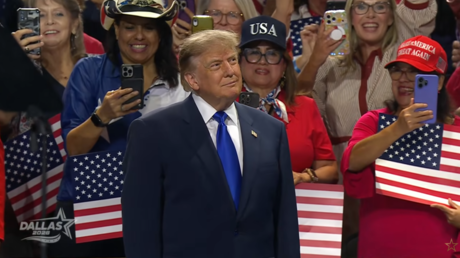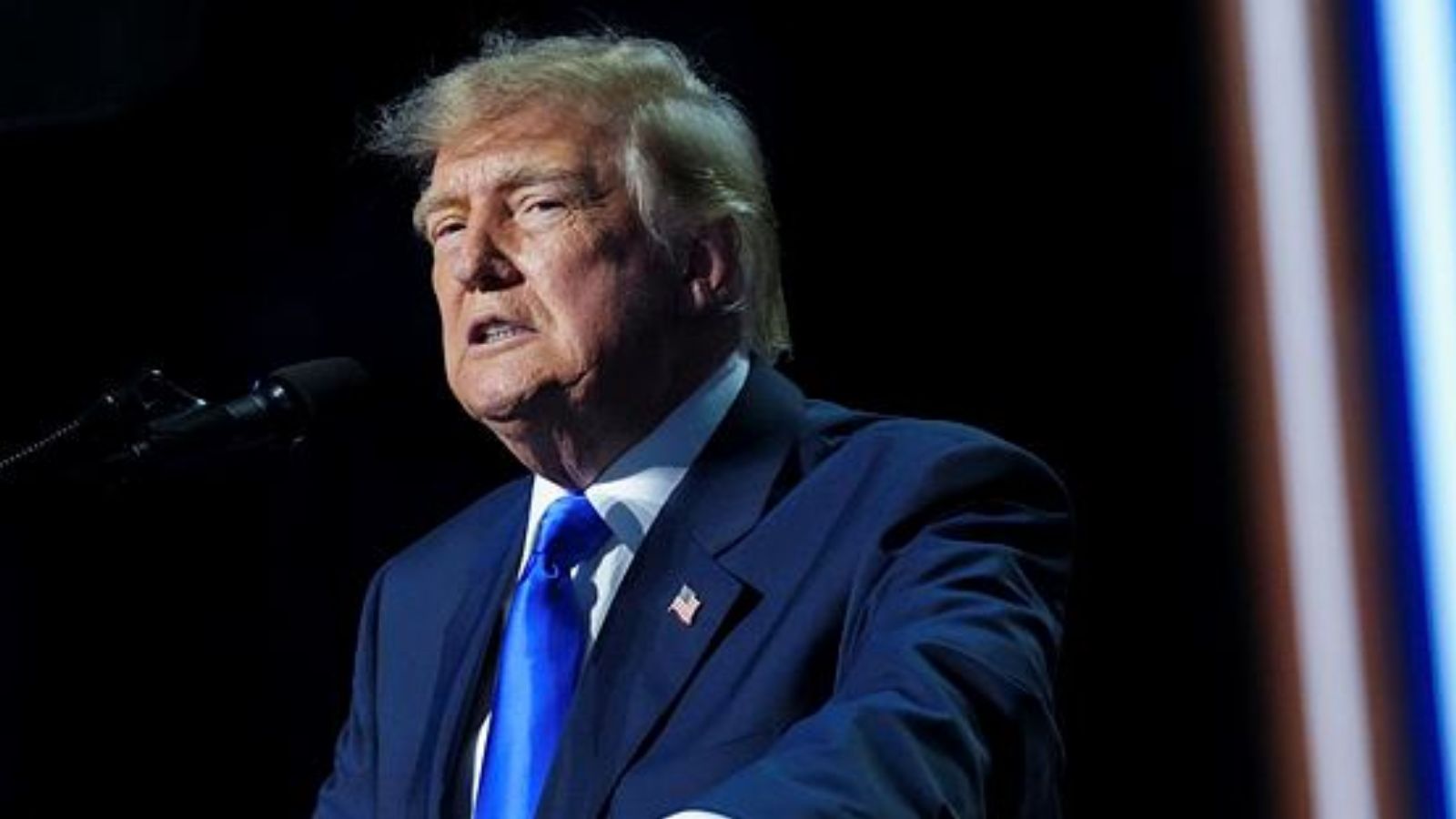
International diplomacy rarely boils down to pure interpersonal animosity, yet the current stalemate in Eastern Europe is increasingly framed through the toxic chemistry between Vladimir Putin and Volodymyr Zelenskyy. Recent high-level shuttle diplomacy executed by United States envoys Steve Witkoff and Jared Kushner across Moscow and Kyiv has once again exposed the limits of personal persuasion against entrenched geopolitical friction. When Donald Trump recently declared that the primary obstacle to a ceasefire is simply "two people that hate each other," he reduced a multi-dimensional war of territorial integrity, national survival, and global security architecture down to a playground feud.
This reductionist view misses the structural mechanics driving the conflict. Hatred between heads of state makes headlines, but cold calculations regarding state power, sovereign borders, and military exhaustion dictate why neither side can easily close a deal.
To understand why peace remains distant, one must look past the personal venom and analyze the irreconcilable strategic demands held by Moscow and Kyiv.
The Illusion of Willingness in Moscow
Vladimir Putin’s reported desire for a settlement is frequently misinterpreted in Western capitals as a willingness to compromise. Decades of observing Kremlin tradecraft suggest otherwise. When Russian leadership signals an openness to negotiations, it typically defines a peace process on its own terms, which include the permanent annexation of sovereign territories and the neutralization of Ukrainian statehood.
A hypothetical property dispute illustrates the mismatch. If one party demands ownership of the entire house while the other fights to retain its living room and front door, a mediator cannot bridge the gap simply by telling the owners to get along. The friction is not emotional; it is existential. Putin views the existence of an independent, pro-Western Ukraine as an acute threat to his historical project. Zelenskyy views any territorial concession as an invitation for total national subjugation.
Blaming interpersonal hostility allows political actors to frame a complex geopolitical impasse as a problem that can be solved by changing attitudes or forcing a handshake. Realpolitik operates on entirely different principles.
The Mechanics of Mediation and Its Limits
The dispatch of presidential envoys to the region highlights Washington's renewed push for a diplomatic breakthrough. Yet, structural impediments continue to undermine these efforts. Special envoys can offer incentives, hint at sanctions relief, or threaten shifts in military aid, but they cannot erase the massive deficit of trust forged in the trenches of Bakhmut, Bucha, and Mariupol.
Consider the logistical reality on the ground. Troops are deployed along hundreds of miles of active frontlines. Cities face regular aerial bombardment even while diplomatic delegations exchange pleasantries in government offices. When trust is non-existent, any ceasefire proposal is immediately scrutinized through the lens of military advantage. Each side assumes the other will use a pause in fighting to rearm, regroup, and prepare for the next offensive.
This security dilemma creates a self-fulfilling prophecy of continued violence. Neither Moscow nor Kyiv can afford to lower its guard, because doing so risks total destruction if the adversary breaks the agreement. Personal hatred certainly amplifies the rigidity of both leaders, but structural military imperatives would keep them apart even if they exchanged pleasantries over tea.
The Danger of Personalized Diplomacy
Centering international negotiations around the personal dynamics of supreme leaders introduces dangerous volatility. Diplomacy built on personal rapport tends to collapse the moment that rapport fractures, or when domestic political pressures force leaders to adopt hardline stances to appease their domestic bases.
Zelenskyy leads a traumatized nation where public consensus rejects ceding sovereign land for vague promises of peace. Any domestic leader in Kyiv who signs away territory faces immediate political ruin, and potentially civil upheaval. Conversely, Putin has staked his domestic legitimacy on the subjugation or neutralization of Ukraine, tying his personal political survival to the prosecution of the war.
These domestic constraints are far more potent than whether the two men despise one another. Leaders do not wage wars of attrition merely because they dislike their counterparts. They wage them because their political survival mechanisms demand victory, or at least the avoidance of humiliating defeat.
Moving Beyond the Deadlock
Hopes for a trilateral summit involving Washington, Moscow, and Kyiv overlook the fundamental truth that summits do not create political will; they merely formalize agreements that lower-level diplomats have already hammered out in secret. Dragging two hostile executives into a room together without prior consensus on core issues is theatrical, not diplomatic.
Until the underlying security architecture of Europe is addressed, and until both sides calculate that continuing the war inflicts more damage than accepting a compromise, the rhetoric of personal animosity will serve as a convenient smokescreen for an intractable structural crisis. The delay is not merely about two men who refuse to shake hands. It is about two opposing visions of the future where only one can survive in its entirety.
The stalemate drags on, indifferent to the personal feelings of those at the top, governed instead by the relentless logic of steel, sovereignty, and survival