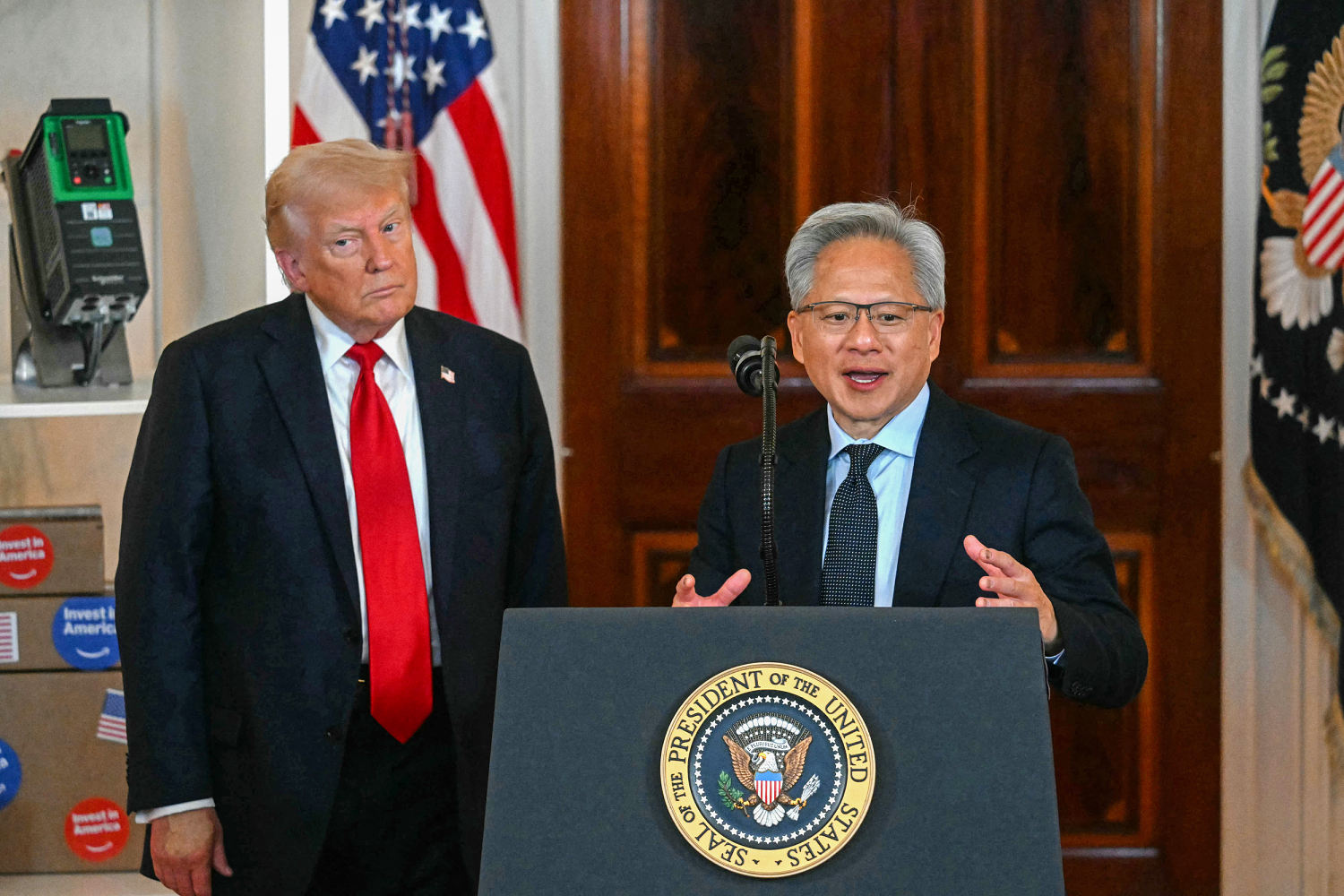
Rumors about a sudden corporate scandal at the top of the artificial intelligence boom spread faster than a software patch. When a headline suggests an Nvidia CEO affair could send shockwaves across the United States and beyond, markets flinch first and verify facts second.
Except there is a massive problem with this narrative. If you liked this post, you might want to look at: this related article.
Right now, there is no confirmed scandal involving Nvidia's longtime chief executive, Jensen Huang. No regulatory filing exists. No board investigation has been announced by Nvidia, and major financial newsrooms haven't corroborated any personal misconduct by Huang. Yet the mere idea of a leadership crisis at the world's most critical chipmaker reveals how fragile the global tech economy actually is.
Why a Single Rumor About Nvidia Triggers Global Panic
You don't need a confirmed scandal to see how exposed Wall Street has become to one company. Over the past few years, Nvidia transformed from a respected graphics card designer into the foundational infrastructure provider for modern computing. For another look on this story, see the latest coverage from The Motley Fool.
When a company sits at the center of trillion-dollar capital expenditures, any hint of executive instability becomes a systemic risk. Investors aren't just betting on silicon. They're betting on continuity.
Think about what happens when an institutional fund manager sees an unverified claim about executive misconduct. Algorithms scan headlines in milliseconds. Traders dump shares before human analysts even finish reading the first paragraph. Even if the story turns out to be completely fabricated, the temporary volatility wipes out billions in market value and forces corporate communications teams into emergency defense mode.
The Key-Person Risk Nobody Likes to Admit
Tech giants love to talk about deep engineering benches and decentralized leadership. Honestly, that's mostly a comforting story for shareholders.
Jensen Huang has led Nvidia since co-founding the company in 1993. Unlike legacy conglomerates that rotate CEOs every five years, Nvidia's entire culture, supply chain strategy, and developer ecosystem revolve around Huang's direct operational involvement. Dozens of vice presidents report directly to him without traditional layers of middle management.
That flat structure works brilliantly during hyper-growth. It creates terrifying vulnerability during a crisis.
If a personal scandal ever actually forced Huang out, Nvidia wouldn't just lose a figurehead. It would lose the primary architect who personally negotiates wafer allocations with TSMC, pitches sovereign AI infrastructure to world leaders, and keeps hyperscalers like Microsoft, Meta, and Google aligned on multi-year hardware roadmaps.
How Real CEO Scandals Actually Play Out in Silicon Valley
We don't have to guess how boards react when a genuine executive affair surfaces. Corporate history gives us a clear blueprint, and it rarely looks like internet rumor mills suggest.
In 2018, Intel forced out CEO Brian Krzanich after discovering he had a past consensual relationship with an employee, which violated the company's non-fraternization policy. Intel didn't wait for a tabloid leak to ruin its reputation. The board investigated, confirmed the policy breach, and removed him immediately—leaving the chipmaker without a permanent leader during a critical manufacturing transition.
A year later, McDonald's fired CEO Steve Easterbrook over a consensual relationship with a subordinate, later suing him to claw back tens of millions in severance after discovering he had lied about the extent of his conduct. In 2022, CNN president Jeff Zucker resigned after failing to disclose a long-term relationship with a senior executive.
Notice the pattern here.
Boards rarely fire powerful CEOs over private personal lives alone. They fire them over governance failures, power imbalances, and dishonesty. When a chief executive enters a relationship with a direct or indirect subordinate, it creates immediate legal exposure around favoritism, retaliation, and workplace culture. Once a board learns a CEO hid the relationship or misled internal investigators, termination becomes almost automatic.
Why Public Companies Cannot Afford Silence
Modern corporate governance leaves zero room for looking the other way. Institutional investors like Vanguard and BlackRock scrutinize board independence aggressively. If a board protects a compromised CEO, shareholder lawsuits follow within weeks.
For a company with Nvidia's valuation, a genuine governance breach would trigger immediate scrutiny from the Securities and Exchange Commission. Any undisclosed conflict of interest involving company resources, travel, or compensation isn't just a PR headache—it's a potential violation of federal disclosure rules.
Checking the Source Before You React to Viral Tech News
When you see an alarming claim attached to a recognizable journalist's name—like BBC technology editor Zoe Kleinman—your brain naturally grants it instant credibility. Bad actors count on that exact reflex.
Fake headlines and spoofed URLs routinely attach real reporters' names to fabricated scandals to bypass your skepticism. Before you adjust a portfolio, share a link in a group chat, or assume a tech giant is imploding, run through a fast verification check.
- Check the actual outlet domain. Don't trust screenshots or social media captions. Go directly to the reputable publication's homepage or search the journalist's verified author page to see if the piece actually exists.
- Look for SEC Form 8-K filings. Publicly traded US companies are legally required to file a Form 8-K with the SEC within four business days of major unscheduled events, including executive departures or material leadership changes.
- Scan wire services. Major breaking corporate scandals appear simultaneously on Reuters, Bloomberg, and the Wall Street Journal. If only one obscure blog or broken link mentions a trillion-dollar company's CEO being ousted, it isn't real.
- Watch official investor relations pages. Companies under genuine crisis post formal board statements directly on their investor relations portals to comply with fair disclosure regulations.
What Investors and Tech Leaders Should Take Away From This
Even though the Nvidia CEO affair narrative doesn't hold up against real-world facts, the anxiety behind it is completely rational.
The global technology sector has concentrated an unprecedented amount of capital, supply chain leverage, and geopolitical influence into a tiny handful of semiconductor companies. Whether it's Nvidia's GPU dominance, TSMC's fabrication monopoly in Taiwan, or ASML's lithography machines in the Netherlands, modern computing runs on single points of failure.
If you're managing money in tech, treat viral leadership rumors as a stress test for your own portfolio concentration. Ask yourself what happens to your investments if a single executive at your largest holding steps down tomorrow. If the answer makes you nauseous, your position sizing is too heavy.
For corporate boards, the lesson is equally blunt. Succession planning isn't a formality you dust off once a decade. Investors eventually demand to know who runs the machine if the founder walks out the door—whether by choice, illness, or scandal. Verify the source, ignore the noise, and build your strategy around confirmed filings rather than viral bait.