Elon Musk grabs the headlines. He fires off late-night posts, argues with regulators, and promises humanity a future on Mars. It's easy to look at the massive Starship rockets in south Texas and assume one eccentric billionaire built the entire empire through sheer force of will.
But you'd be wrong.
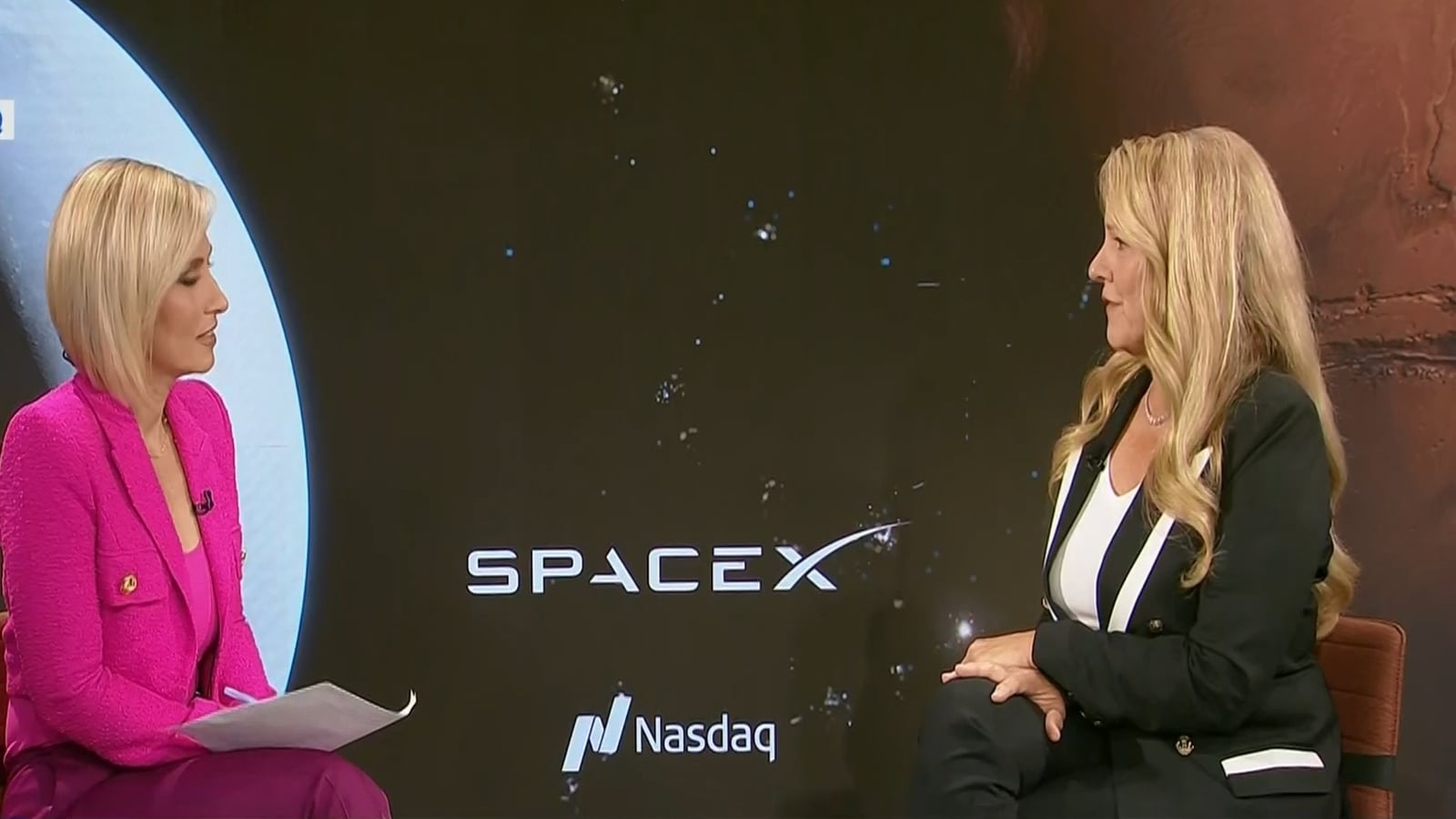
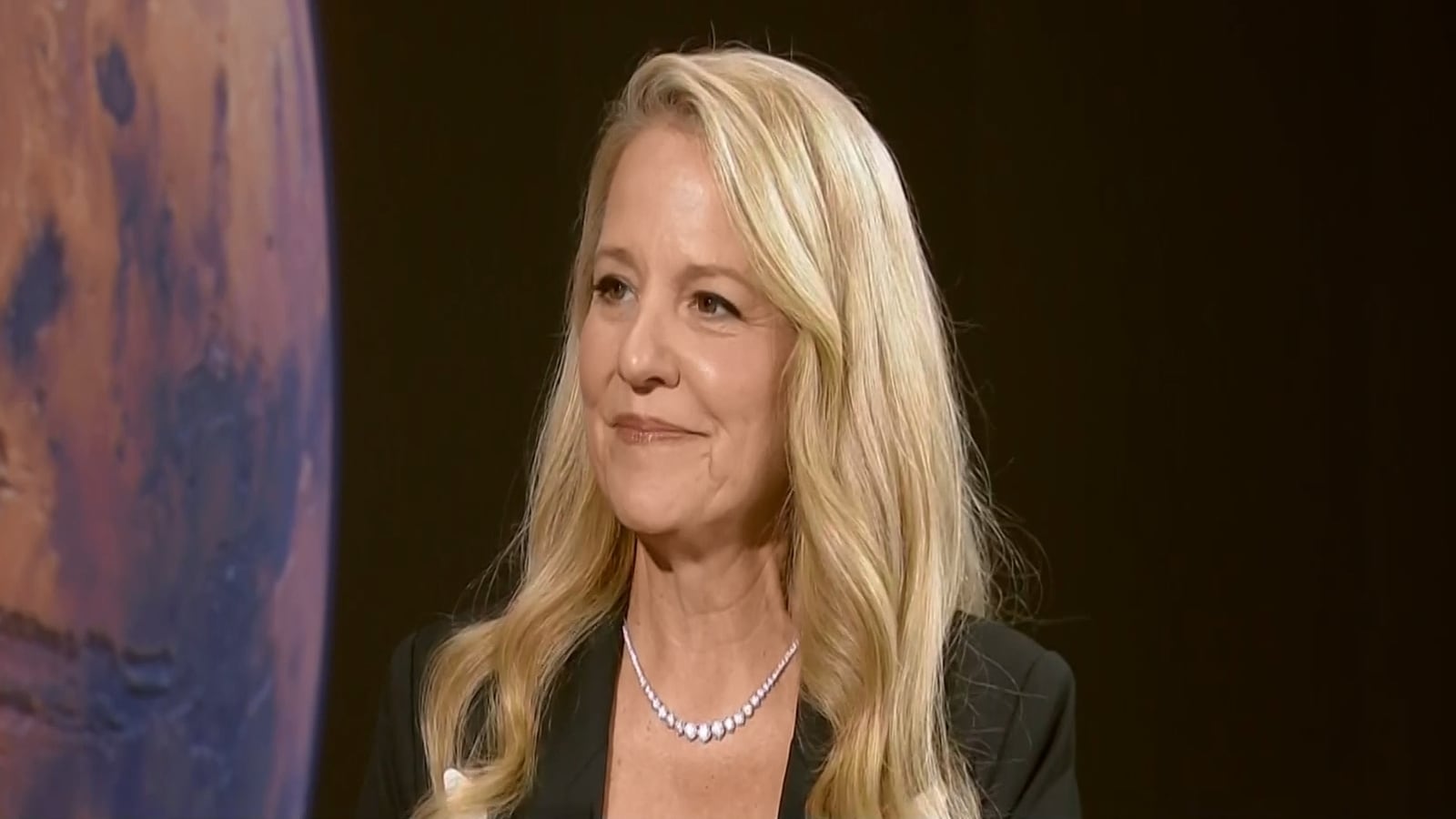
SpaceX just made its historic debut on the stock market with a massive IPO, pushing its valuation past the trillion-dollar mark and officially cementing Musk as the world's first trillionaire. Yet, if you look at the footage from the Nasdaq opening bell in Times Square, the person standing right there beside him holding the company together isn't a tech bro or a flashy influencer. It's Gwynne Shotwell.
While Musk dreams up the impossible, Shotwell actually builds the business that funds those dreams. She's the president and chief operating officer. More importantly, she's the operational anchor of the company. Without her engineering brilliance and unmatched corporate discipline, SpaceX would likely have gone bankrupt years ago.
The Engineer Who Translates Chaos into Reality
To understand why SpaceX dominates global aerospace, you have to understand the partnership between Musk and Shotwell. It isn't a traditional CEO-and-subordinate dynamic. It's an exercise in translating chaotic genius into repeatable, profitable execution.
Shotwell joined the company in 2002 as its eleventh employee. At the time, she was a mechanical engineer with an advanced degree from Northwestern University and a decade of experience at The Aerospace Corporation. Musk was a wealthy internet entrepreneur trying to build rockets, and traditional defense contractors weren't taking him seriously.
Shotwell changed that instantly. She didn't just understand the math behind rocket propulsion; she understood how to sell it. She locked down commercial launch contracts before the company's first rocket, the Falcon 1, ever successfully reached orbit.
Former employees often describe her as the glue holding the organization together. Where Musk pushes teams to the brink of exhaustion with impossible deadlines, Shotwell steps in to streamline the workflow. She looks at a wild, conceptual idea and maps out the practical steps needed to build it.
During a TED conference, Shotwell explained her approach perfectly. She noted that when Musk says something that sounds completely unhinged, you don't blurt out that it's impossible. Instead, you keep your mouth shut, think about it, and find a technical path to get it done. Her entire career has been about taking sci-fi concepts and turning them into achievable corporate milestones.
Saving the Company When the Fuel Ran Out
Every tech giant has a legendary origin story, but the turning point for SpaceX happened in 2008. The company was on the verge of total collapse. Three consecutive Falcon 1 launch attempts had failed, exploding into the ocean and draining the company's cash reserves. They had just enough parts and money for one final attempt.
The fourth launch succeeded in September 2008, proving the technology worked. But the bank accounts were still dangerously empty.
Shotwell stepped up and saved the operation. She used that single successful launch to negotiate a massive $1.6 billion Commercial Resupply Services contract with NASA. That single deal provided the steady cash flow required to stabilize the business, keep the lights on, and fund the development of the Falcon 9. Recognizing her invaluable leadership, Musk immediately promoted her to president and COO.
Since that promotion, look at what she has executed:
- The first successful landing of an orbital rocket booster on land and sea.
- The commercialization of rocket reusability, driving launch costs down to historic lows.
- The development of Starlink, which now commands the majority of the company's profits.
- Returning human spaceflight capabilities to American soil with the Crew Dragon capsule.
The Art of Managing an Outsized Founder
Corporate history is filled with brilliant but erratic founders who needed an execution expert to scale their vision. Think of Tim Cook managing operations for Steve Jobs at Apple, or Sheryl Sandberg structuring the business side of Meta for Mark Zuckerberg. Shotwell is the definitive version of this archetype for the aerospace sector.
Managing Musk requires a rare combination of technical authority and emotional intelligence. Former colleagues mention that Shotwell can deliver incredibly harsh criticism or tell an employee they are failing, but she does it with such professionalism that "it tastes like honey." She doesn't scream or rely on public theatrics. She relies on data.
She's also the person who keeps the business steady when Musk gets distracted by his other ventures, whether it's running Tesla, managing his social media platform, or taking on roles in government efficiency panels. When Washington officials or NASA administrators worry that Musk has too many irons in the fire, Shotwell is the one who steps into the room, walks them through the engineering data, and reassures them that the day-to-day operations are running smoothly.
Why the New Frontier Hinges on Her Strategy
SpaceX isn't just a rocket company anymore. Following its recent merger with xAI, the business is pivoting into a massive infrastructure play. During recent interviews surrounding the IPO, Shotwell laid out a massive vision that goes far beyond simply launching satellites into orbit.
She directly stated that SpaceX sees itself as an infrastructure company. The goal now includes deploying data centers on the ground and in orbit, positioning the company as a direct competitor in the artificial intelligence market. Starlink satellites are evolving into orbital data hubs to power high-speed AI computing worldwide.
This next phase shifts the pressure entirely onto Shotwell's core strength: operational execution. Building a working rocket is hard enough. Building a global, orbital AI data network while simultaneously constructing the Starship factory in Texas and fulfilling NASA's Artemis moon contracts requires an absurd level of organizational discipline.
If you want to know if SpaceX will succeed in building lunar cities or hitting its goals for Mars, don't just watch Musk’s social media account. Watch how Shotwell manages the supply chain, the capital expenditures, and the regulatory approvals.
If you're looking to apply these leadership lessons to your own business or career, stop trying to emulate the loudest voice in the room. Focus on the operational habits that actually drive success.
- Focus on the business engine first. Visions are useless without the revenue to fund them. Shotwell sold launch contracts before the rockets worked to ensure the company had a viable market.
- Translate massive goals into daily metrics. Don't get overwhelmed by a giant project. Break down the wild ideas into specific engineering problems and track the data relentlessly.
- Be the operational anchor. Every team needs someone who stays calm, visits the factory floor, asks highly specific questions, and protects the team from external distractions.
The flashy visionary might point to the stars, but it takes an engineer with a steady hand to actually get you there.
This SpaceX President on Elon Musk, Starship & the Moon video provides an excellent look at how Gwynne Shotwell balances Elon Musk's long-term multiplanetary vision with the daily engineering realities of running the world's most dominant space company.