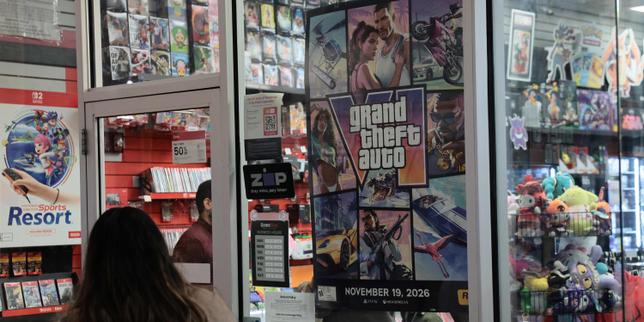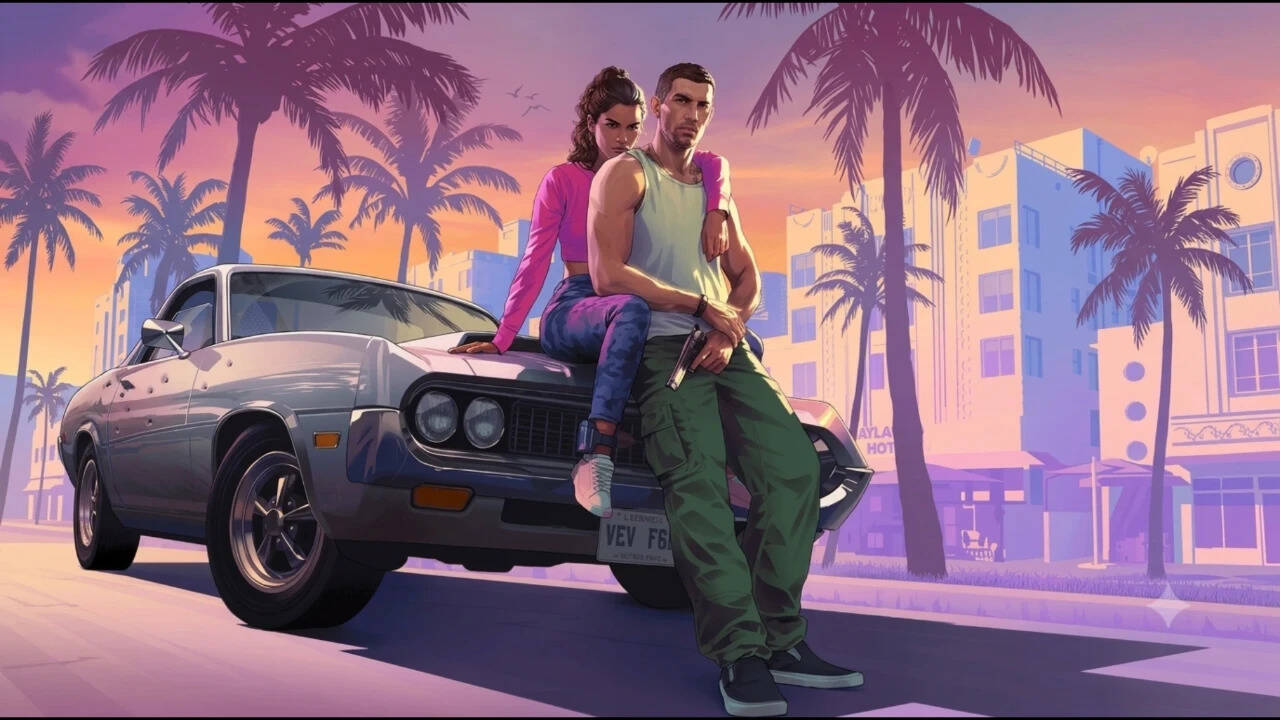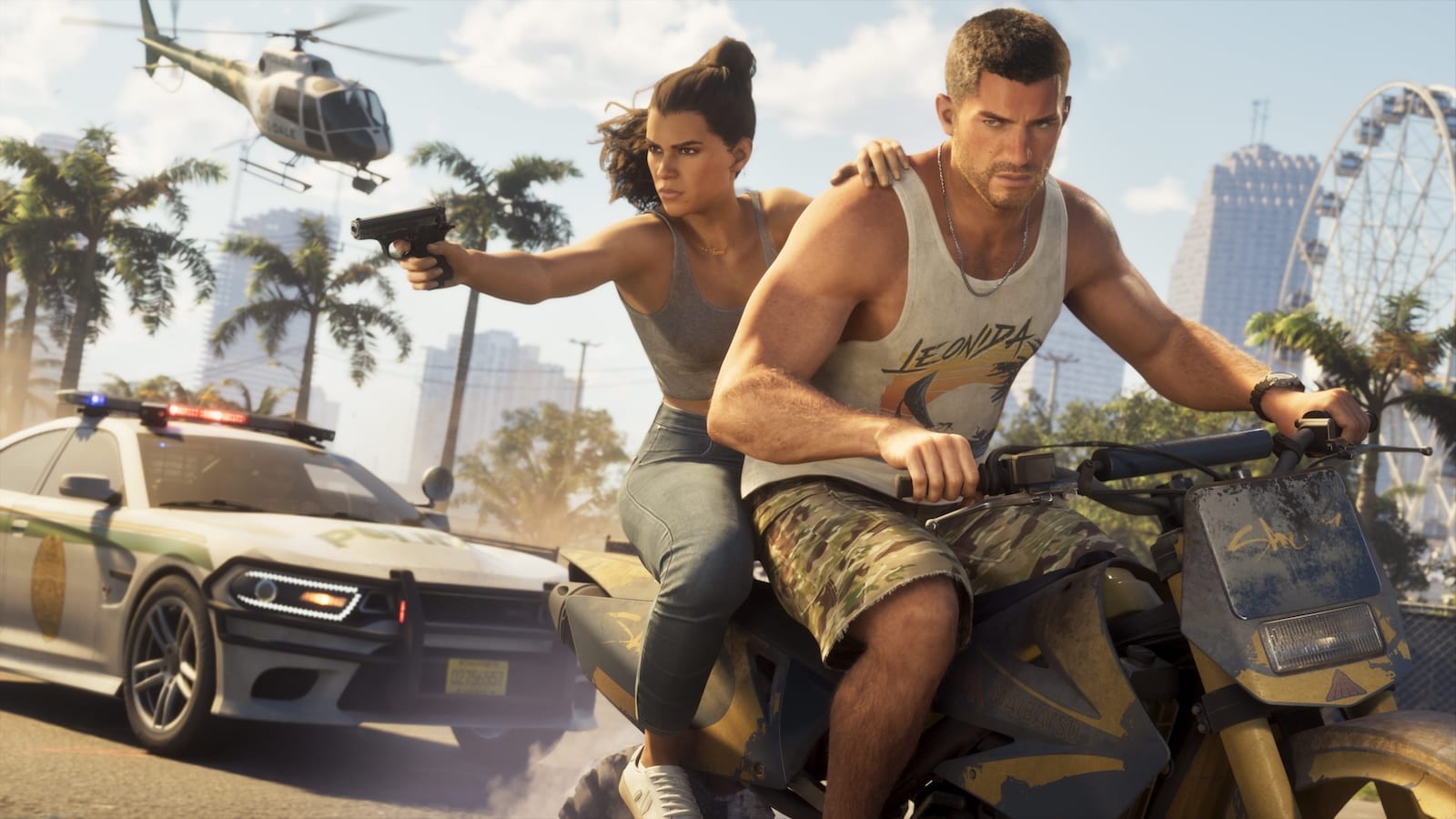
Two point three six billion dollars in a single day. That’s the headline number floating around the internet since November 19, 2026, and if you take it at face value, Grand Theft Auto VI didn’t just beat GTA V’s opening record—it obliterated it by nearly threefold.
Here’s the catch most viral posts skip over. That $2.36 billion figure from market intelligence firm Sensor Tower isn’t a pure 24-hour cash register tally. It’s an external statistical estimate that folds five months of pre-orders into day-one digital console sales, while leaving physical retail boxes out of the count entirely. Also making news in related news: Why the GTA 6 Streamer Completion Race Sparked a Massive Spoiler Backlash.
Does that make Rockstar’s latest release any less of a juggernaut? Not even slightly. Even when you strip away the accounting quirks, GTA 6 pulled off the biggest entertainment debut in human history—and did it without a PC version on the shelf. Let’s unpack how Sensor Tower arrived at that number, why the comparison to 2013 gets messy, and what the actual data tells us about where gaming’s biggest franchise goes from here.
Breaking Down the $2.36 Billion Sensor Tower Estimate
When Sensor Tower’s tracking dashboard updated on the evening of Thursday, November 19, the numbers looked almost surreal. According to the firm’s data, GTA 6 moved roughly 24.58 million digital copies across PlayStation 5 and Xbox Series X|S through the end of launch day, generating an estimated $2.36 billion in gross consumer spending. Additional information into this topic are detailed by Reuters.
To understand why that number climbed so fast, you have to look at how the tracker moved across launch week:
- November 16: Pre-orders sat around 14.94 million units, worth roughly $1.45 billion.
- November 18 (Launch Eve): Estimates climbed to 17.07 million units and $1.65 billion.
- November 19 (Morning): As players in New Zealand, Australia, and Europe went live, the tracker jumped to 19.1 million copies and $1.84 billion.
- November 19 (Evening): By the time North America wrapped up its first full day in Vice City, Sensor Tower’s count hit 24.58 million copies and $2.36 billion.
That last ten-day sprint did absurd heavy lifting. Sensor Tower’s own gaming insights analyst, Bryan Isagholian, noted that GTA 6 passed the previous all-time pre-order record of $709 million roughly three weeks before release, then more than doubled its haul in the final ten days. A major catalyst arrived back in August, when Rockstar dropped an "Extended Look" trailer on Netflix that triggered a sixfold surge in pre-orders.
Why the Average Selling Price Was So High
Do the quick math on 24.58 million copies bringing in $2.36 billion, and you land on an average price of roughly $96 per copy. That’s noticeably higher than the $80 standard retail price.
The reason comes down to edition mix. Sensor Tower’s data shows that 82% of pre-orders went to the $100 Ultimate Edition, leaving just 18% for the $80 Standard Edition. Most publishers struggle to convince a quarter of their buyers to pay a twenty-dollar markup for digital extras. Rockstar got more than four out of five pre-order customers to opt for the top tier.
PlayStation’s Massive Lead Over Xbox
Platform split wasn’t even close. PlayStation 5 accounted for 75% of the estimated revenue—roughly 18.44 million copies and $1.77 billion—while Xbox Series X|S captured the remaining 25%, or about 6.15 million copies and $588 million.
PlayStation pre-orders did open a day earlier than Xbox back in June, which gave Sony an initial head start. Honestly, though, that 75-to-25 ratio stayed locked in for five straight months. It reflects the real-world install base gap between PS5 and Xbox Series consoles in 2026 more than any timed advantage.
GTA 6 vs GTA 5 Why Comparing 2026 to 2013 Is Tricky
Back on September 17, 2013, Grand Theft Auto V set the standard every entertainment executive chased for thirteen years. Take-Two Interactive officially reported $815.7 million in first-day retail sales from 11.21 million copies, verified by Guinness World Records. By day three, GTA 5 crossed $1 billion.
Stack Sensor Tower’s $2.36 billion GTA 6 number directly next to GTA 5’s $815.7 million, and you get the "nearly 3X" headline making the rounds. Revenue is roughly 2.9 times higher, and unit volume is about 2.2 times larger.
If you actually follow game market analytics, though, you know you’re comparing apples to slightly different apples. Three structural shifts separate these two launches:
- Cumulative pre-orders vs. day-one retail: Take-Two opened GTA 6 pre-orders in June 2026. Sensor Tower’s launch-day figure lumps five months of digital pre-orders together with November 19 purchases. In 2013, digital console pre-orders barely existed at scale; most players lined up at midnight outside GameStop or Best Buy to buy physical discs.
- Inflation and base pricing: GTA 5 launched at $60 on PlayStation 3 and Xbox 360. GTA 6 launched at $80 for the base game and $100 for the edition almost everyone actually bought. Adjust $815.7 million from 2013 for inflation, and it equals roughly $1.1 billion in 2026 money. Even adjusted for inflation, GTA 6 still more than doubled it.
- Methodology differences: GTA 5’s numbers came straight from Take-Two’s audited sales announcements. Sensor Tower’s $2.36 billion is a third-party statistical model built from user panels, public storefront rankings, and historical conversion curves. It doesn’t include boxed retail copies sold in physical stores—even though those boxes mostly contain digital download codes anyway.
What makes things even wilder is what happened right after Sensor Tower published its estimate. Subsequent disclosures around Rockstar’s pre-release and opening retail figures pointed to 32.5 million total units sold before release and $3.79 billion in combined retail sales. Whether you use Sensor Tower’s conservative digital tracker or broader retail figures, the takeaway stays identical: GTA 6 cleared Bank of America’s $1.9 billion three-day investor benchmark before Friday morning even arrived.
How GTA 6 Broke Internet Infrastructure and Rival Games
You don’t actually need a market research subscription to prove 24 million people downloaded GTA 6 at once. Internet service providers felt it in their cables.
The console installation file weighed in at a massive 212 gigabytes. When midnight hit across Europe, Cloudflare measured UK PlayStation 5 download traffic spiking to 8.6 times its normal peak. Virgin Media O2 reported that its all-time evening broadband traffic record snapped as millions of households pulled down that 212GB file simultaneously.
At the exact same time, the rest of the gaming industry experienced a sudden vacuum. Sensor Tower’s post-launch engagement tracking showed daily active users dropping sharply across major live-service titles during launch weekend:
- Call of Duty saw daily active users fall by 46%.
- Fortnite dropped by 25%.
- HR platform Remote even logged a 32% global spike in employee leave requests on Thursday, November 19.
It’s rare for a single-player campaign launch to siphon that much oxygen out of entrenched multiplayer ecosystems. Most story-driven games see a weekend bump and fade within two weeks. GTA 6 hit a 99 Metascore across 146 critic reviews and immediately swallowed entire gaming schedules whole.
The Financial Reality Behind Take-Two’s Massive Payday
Seeing "$2.36 billion in 24 hours" makes it easy to assume Take-Two Interactive is already swimming in pure profit. The reality on Wall Street is a bit more nuanced.
First, gross consumer spending isn’t net publisher revenue. Sony and Microsoft take their standard platform cut—typically around 30% on digital storefront sales—before a dime reaches Take-Two’s bank account. On $2.36 billion in gross digital sales, platform fees alone account for roughly $700 million.
Second, GTA 6 carries one of the heaviest development and marketing price tags in entertainment history. Reuters and industry analysts estimate Take-Two spent at least $1 billion on production alone, with global marketing pushing total outlay close to $2 billion. Breaking even on a project that expensive requires staggering volume right out of the gate.
Third, Wall Street already priced perfection into Take-Two’s stock. Take-Two shares actually dipped 3.7% on launch Thursday to close at $208.65, even as record-shattering sales estimates rolled across financial terminals. Investors had spent months anticipating a historic debut—Take-Two had already guided for $8.0 billion to $8.2 billion in net bookings for the fiscal year ending March 2027. When expectations sit in the stratosphere, clearing the bar simply keeps the stock from falling.
Why the Real Money Hasn’t Even Started Yet
If you think day one is the climax of GTA 6’s financial story, you haven’t been paying attention to how Rockstar operated over the last decade.
GTA 5 sold around 200 million copies over eleven years, making it the second best-selling video game of all time behind Minecraft. Yet the real financial engine for Take-Two wasn’t the $60 disc—it was GTA Online, which generated billions in recurring microtransaction revenue year after year.
Right now, two massive revenue levers for GTA 6 haven’t even been pulled yet:
- The successor to GTA Online: Rockstar launched GTA 6 as a single-player experience first, just like it did in 2013. Analysts expect the new online multiplayer mode to roll out in 2027, creating a multi-year recurring revenue stream that will dwarf initial unit sales.
- The PC release: Just as with GTA 5 and Red Dead Redemption 2, PC players are waiting on the sidelines at launch. When Rockstar eventually brings GTA 6 to PC—likely in 2027 or 2028—millions of existing console players will double-dip for higher frame rates, ultrawide support, and modding communities, alongside an entire wave of PC-only buyers.
Market research firm Niko Partners already projects GTA 6 to cross $3 billion in global sales before 2026 ends, while Sensor Tower’s launch-weekend tracking put total copies near 47 million across all channels.
How to Read Video Game Sales Headlines Without Getting Misled
Every time a blockbuster game breaks a record, PR teams and analytics trackers throw massive numbers at the wall. If you’re tracking the industry as a gamer, creator, or investor, use these three checks whenever you see a viral launch milestone:
- Separate gross bookings from net revenue: Always check whether a headline cites total consumer spending or actual publisher revenue after Sony, Microsoft, Valve, or Apple take their 30% platform fee.
- Check if pre-orders are baked into "day one": Digital-first launches almost always fold months of pre-orders into opening-day totals. Look for standalone 24-hour active player counts or first-week totals for a cleaner benchmark.
- Watch Take-Two’s quarterly earnings calls, not just third-party trackers: Sensor Tower’s models are directionally accurate and fast, but Take-Two’s official SEC filings and earnings releases give you audited sell-in numbers, digital-to-physical ratios, and updated full-year bookings guidance. Keep an eye on Take-Two’s next quarterly report for the first official breakdown of how many copies Lucia and Jason actually moved on launch week.