When Global Affairs Canada updated its travel advisory to echo the U.S. Embassy’s warning of an imminent "mass casualty event" in Moscow, most casual observers treated it like routine diplomatic posturing. They were dead wrong.
In March 2024, the U.S. Embassy in Russia issued a blunt security alert warning American citizens to avoid large gatherings in Moscow over a 48-hour window due to reports that extremists had imminent plans to target concerts and crowded venues. Hours later, Canada’s foreign ministry matched the language almost word for word, telling Canadians in the Russian capital to steer clear of public events and stay vigilant. Days after those alerts dropped, gunmen attacked the Crocus City Hall concert venue outside Moscow, killing more than 140 people in one of the deadliest terror attacks Russia had seen in two decades.
If you're still in Russia, or if you have family, contractors, or business ties there, you need to understand how these intelligence warnings actually work. They aren't political theater. They're the public tip of a very specific intelligence-sharing mechanism that gives citizens a narrow window to get out of harm's way before a crisis hits.
Why Canada and the U.S. Move in Lockstep on Russia Security Alerts
People often assume Ottawa just copy-pastes Washington's homework when it comes to foreign crises. That's a massive oversimplification of how the Five Eyes intelligence alliance operates in practice.
The United States, Canada, the United Kingdom, Australia, and New Zealand share raw signals and human intelligence through formal channels that strip away diplomatic hesitation when civilian lives are on the line. When the U.S. intelligence community picks up credible, specific chatter about an attack on soft targets—like concert halls, shopping malls, or transit hubs—it triggers a strict legal and ethical obligation known as the Duty to Warn.
Under U.S. Intelligence Community Directive 191, American intelligence agencies are required to warn intended victims of credible threats of intentional killing, serious bodily injury, or kidnapping, regardless of whether those victims are U.S. citizens or foreign nationals. Canada operates under similar consular protection mandates through Global Affairs Canada. Once Washington declassifies enough of a threat assessment to publish a public alert on the U.S. Embassy website, Ottawa's consular risk teams verify the threat stream through their own intelligence liaisons and push out matching guidance within hours.
It happens fast. And it happens because Western embassies in Moscow are operating with skeletal staffs.
Following years of tit-for-tat diplomatic expulsions between Moscow and Western capitals, the U.S. Embassy in Moscow and the Canadian Embassy on Starokonyushenny Lane have lost most of their local support personnel and consular officers. Neither country can mount a large-scale evacuation if things go sideways. When you see both governments telling citizens to avoid crowds or leave the country immediately, they aren't being dramatic. They're telling you they have zero capacity to rescue you once the shooting starts or the borders slam shut.
The Intelligence Reality Behind the Moscow Warning
Let's clear up a major misconception about how that specific warning unfolded. Russian President Vladimir Putin initially dismissed the Western security alerts as "outright blackmail" and an attempt to intimidate Russian society ahead of presidential elections. State media echoed that line relentlessly.
Yet behind closed doors, Washington hadn't just posted a vague warning on a website. According to U.S. National Security Council officials, the U.S. government passed specific intelligence directly to Russian security services weeks before the Crocus City Hall attack, identifying the venue as a potential target for ISIS-K (Islamic State Khorasan Province).
That detail matters if you're evaluating whether to trust a government travel advisory over local media narratives. Western intelligence agencies don't burn sensitive collection methods by issuing hyper-specific 48-hour warnings unless the underlying intelligence is rock solid. If they issue a false alarm, they lose credibility with their own citizens and expose their intelligence sources for nothing.
Here's what actually goes into raising an alert to the "avoid all travel" or "mass casualty" threshold:
- Specificity of the target: Generic chatter about "attacks in Europe" doesn't trigger a 48-hour embassy alert. Identifying specific categories like concerts, metro stations, or shopping centers does.
- Imminence: The threat window has to be narrow enough that citizens can take immediate, practical action—like canceling weekend plans or booking a flight out.
- Lack of host-nation mitigation: When Western intelligence sees that local security forces aren't visibly hardening the targeted venues, the urgency to warn civilians spikes dramatically.
What "Do Not Travel" Actually Means for Canadians and Americans in Russia
Both Global Affairs Canada and the U.S. Department of State maintain their highest possible warning level for Russia—Level 4 ("Do Not Travel" for the U.S., "Avoid All Travel" for Canada). Most travelers glance at that red banner, shrug, and think it just means their travel insurance won't cover a lost suitcase.
It's way worse than that.
First, standard commercial travel insurance policies automatically void coverage the moment you step foot in a country under a Level 4 or "Avoid All Travel" advisory unless you have purchased specialized high-risk kidnap, ransom, and political evacuation coverage. If you get caught in a terror attack, suffer a medical emergency, or get detained by local police, you're paying every cent out of pocket in an environment where Western Visa and Mastercard networks don't even work due to financial sanctions.
Second, dual citizens face acute legal traps that neither embassy can fix. Russia does not recognize dual nationality for legal purposes. If you hold both a Canadian or U.S. passport and a Russian passport, Russian authorities treat you exclusively as a Russian citizen. That means:
- No guaranteed consular access: Russian officials routinely deny U.S. and Canadian diplomats permission to visit detained dual nationals in pre-trial detention centers like Lefortovo Prison.
- Conscription and exit bans: Dual citizens remain subject to Russian military mobilization laws and sudden travel restrictions without prior notice.
- Arbitrary detention risks: Both Washington and Ottawa have repeatedly warned that Russian security services single out Western nationals—including dual citizens, journalists, and business travelers—for interrogation and detention on dubious charges to gain leverage in prisoner swaps.
Honestly, the biggest mistake people make is assuming that keeping their head down and staying out of politics keeps them safe. When an embassy warns of a mass casualty event, politics has nothing to do with it. Extremist groups targeting crowded civilian spaces don't check passports before opening fire.
How to Audit Your Personal Security If You Still Have Ties to Russia
If you're reading this because you're currently in Moscow, St. Petersburg, or another major Russian city—or you're managing staff who are—stop relying on local news apps or expat social media groups to gauge your risk level. Expat forums are notorious for normalcy bias, where long-term residents downplay severe security threats because nothing bad happened to them yesterday.
Take these concrete steps right now to tighten your security posture:
- Register directly with your government's emergency system. If you're Canadian, enroll in the Registration of Canadians Abroad (ROCA) service through Global Affairs Canada. If you're American, sign up for the Smart Traveler Enrollment Program (STEP). These systems push direct SMS and email alerts the second an embassy updates its threat assessment, bypassing social media algorithms completely.
- Maintain liquid cash and multiple exit routes. Because Western bank cards are severed from the Russian financial system, keep enough physical U.S. dollars or euros in pristine, unmarked bills to cover emergency flights and border crossings. Map out overland exit routes through countries like Estonia, Latvia, Finland, or Georgia, and check real-time border wait times and visa rules before you actually need them.
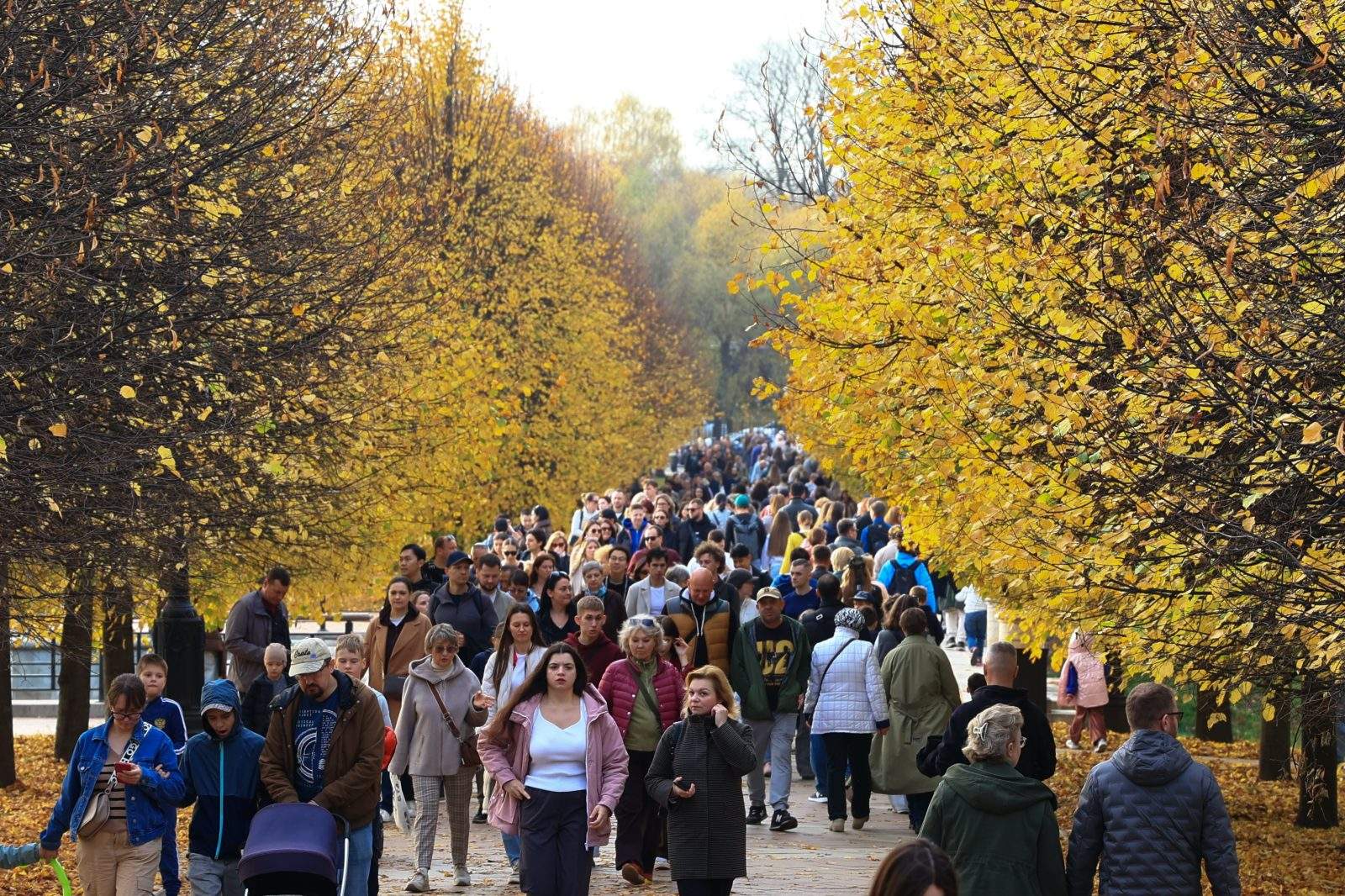
- Avoid predictable public choke points during heightened alert windows. When an embassy flags concerts, malls, or public gatherings, cut out non-essential trips to major metro hubs, large shopping centers like Aviapark or Evropeisky, and entertainment venues. Terrorist cells targeting mass casualties look for high-density spaces with limited exits.
- Keep physical copies of critical documents off your phone. Border guards at Russian airports frequently inspect travelers' smartphones, messaging apps, and photo galleries. Store encrypted backups of your passport, birth certificate, and emergency contacts in a secure cloud vault rather than leaving sensitive files sitting in your camera roll.
If you don't have an urgent, unavoidable reason to remain in Russia, book a commercial flight out through an operational transit hub like Istanbul, Dubai, or Belgrade while commercial air corridors remain open. Diplomatic warnings don't come with a second courtesy call once the crisis begins.