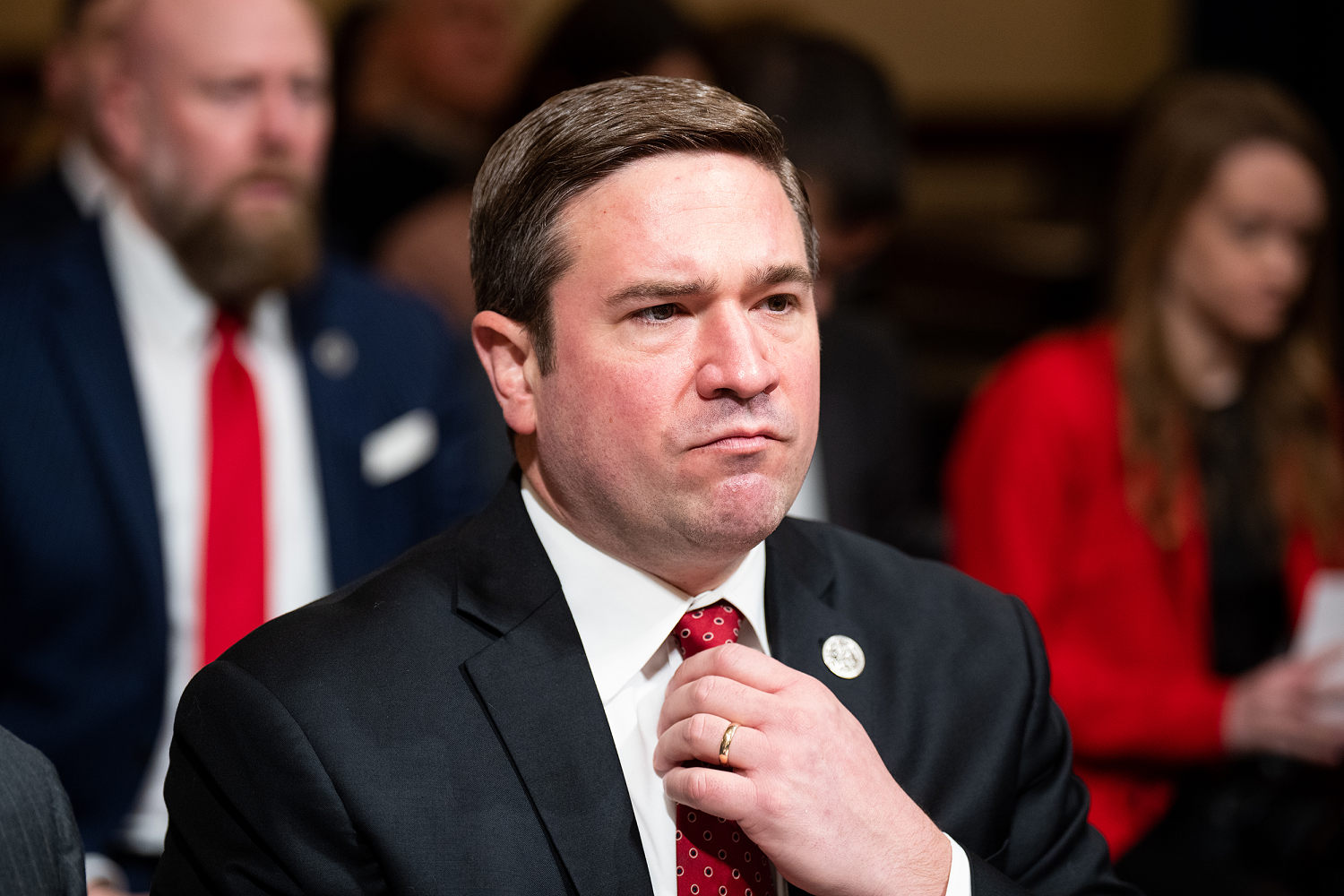
The revolving door at the top of federal law enforcement just spun again. Andrew Bailey, one of the FBI's two co-deputy directors, is stepping down after barely a year on the job.
If you glance at the official press releases, it is a straightforward story about a political appointee returning home to Missouri to spend time with his family. If you look closer at the actual mechanics of Washington power dynamics, FBI Director Kash Patel's leadership structure, and the intense scrutiny surrounding election investigations, the departure tells a much more complicated story.
Let's break down what actually happened, why it matters right now, and what most mainstream reports gloss over.
The Short, Peculiar Tenures Shaping Today's FBI
When Bailey was tapped for the co-deputy director role, it wasn't a standard career appointment born from decades climbing through the bureau's ranks. The position itself was uniquely structured under the current administration, bringing in external state-level legal heavyweights like Bailey—who previously served as Missouri's Republican Attorney General.
During his brief tenure, Bailey kept a remarkably low public profile. Yet, he found himself directly tied to high-stakes political flashpoints. Most notably, he was present when federal agents executed a search warrant at a primary election hub in Fulton County, Georgia, as part of an ongoing election fraud inquiry. That single detail anchors his time at the bureau to the exact political fault lines defining modern federal investigations.
His exit leaves the bureau grappling with rapid turnover at the highest levels. Earlier in the year, fellow co-deputy Dan Bongino departed amid swirling reports of friction and policy friction within Washington circles. Losing two major deputy figures in rapid succession points to an executive suite under continuous internal pressure.
Why This Resignation Resonates Beyond Washington
When a high-profile political appointee steps down abruptly after just twelve months, it triggers immediate speculation about internal alignment. Patel publicly thanked Bailey for instituting critical reforms, and insiders insist the move back to Missouri is precisely what Bailey wanted. But timing is everything in federal politics.
The bureau faces intense public grilling over policy shifts, travel expenditures, and institutional restructuring. Bringing in outsiders to shake up a massive legacy agency sounds great on a campaign trail. Executing those reforms while managing career bureaucrats, congressional oversight committees, and leaked internal memos is an entirely different battle.
Bailey chose to exit the arena, leaving Patel and remaining leadership to navigate the fallout as the administration pushes forward with its overhaul of federal intelligence and law enforcement priorities.
The real question isn't why Bailey left. It's whether the leadership model built around external political appointees can survive long-term inside an agency engineered to resist sudden external shocks.