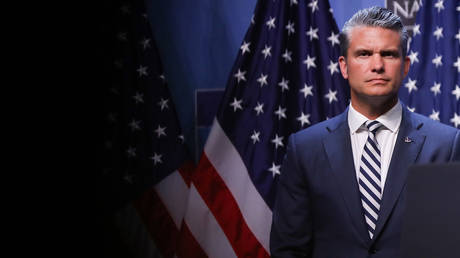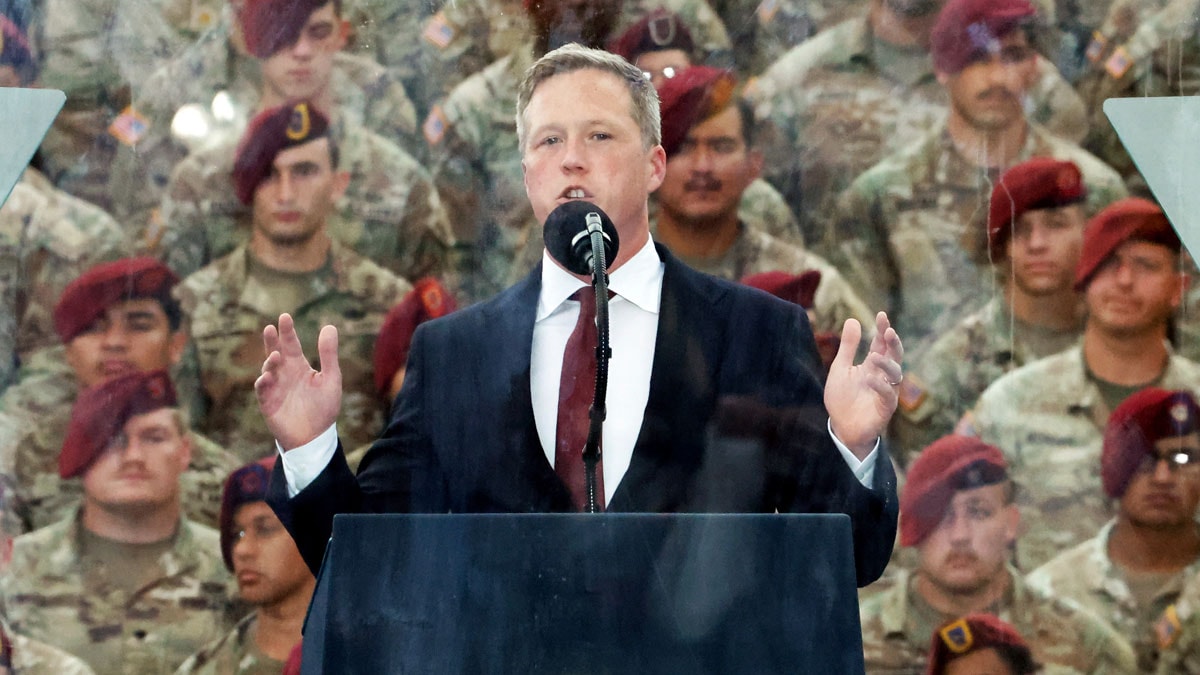
US Army Secretary Dan Driscoll has resigned following months of intense friction with Defense Secretary Pete Hegseth, leaving the largest branch of the American armed forces without its two top civilian and uniformed leaders. The departure of Driscoll, an Iraq War veteran and close ally of Vice President JD Vance, is not merely a routine personnel shuffle. It is the violent collision of two distinct philosophies regarding military modernization, institutional independence, and civilian control.
Understanding why this resignation matters requires looking past the surface-level gossip of Pentagon turf wars. The breakdown at the top exposes a deep structural fracture within the Department of Defense. As the armed forces manage complex obligations abroad, the ongoing purge of senior leadership is reshaping the military command structure in real time.
The Anatomy of a Breakdown
Friction between political appointees in Washington is as old as the republic itself. However, the clash between Hegseth and Driscoll carried unique stakes because it centered on the fundamental question of how the Army buys equipment, integrates private capital, and selects its commanders.
Driscoll entered office pushing hard for institutional agility. Coming from a background in finance and venture capital, he sought to drag the Army's procurement apparatus into the twenty-first century. His tenure was defined by aggressive pushes to acquire cheap, attritable drone technology and build advanced data infrastructure on military bases. These initiatives frequently bypassed traditional, slow-moving bureaucratic channels.
That approach put him directly at odds with the defense secretary's office. Hegseth has pursued an aggressive overhaul of the military hierarchy, systematically removing dozens of generals and admirals. The most explosive flashpoint occurred when Hegseth forced out General Randy George, the Army Chief of Staff and a core member of the Joint Chiefs of Staff. Driscoll had cultivated a close professional relationship with George, openly defending the general's record and leadership.
When the top uniformed officer is dismissed over policy disagreements and the civilian secretary who championed him finds his position untenable, the chain of command experiences acute shock.
The Vacuum at the Top
With Driscoll's departure alongside the earlier ousting of Navy Secretary John Phelan, two of the primary military departments are operating without permanent Senate-confirmed civilian heads. In the Army's case, the absence is doubly profound. Because General George was removed earlier in the year, both the civilian secretary and the top uniformed officer positions have experienced sudden, turbulent turnover.
Temporary leadership can keep administrative lights on, but it cannot drive long-term strategic transformation. Major acquisition programs require years of sustained political backing and institutional trust. When every layer of leadership lives under the threat of sudden dismissal, institutional risk aversion skyrockets. Officers and civil servants learn quickly that the safest career move is to avoid bold changes and simply wait out the current administration.
This environment directly undercuts the stated goals of military readiness. Modernizing a force of over a million active-duty and reserve personnel requires radical candor and friction between civilian innovators and military traditionalists. When that friction turns toxic and results in the departure of reform-minded officials, the institution retreats into defensive orthodoxy.
The Broader Political Dynamics
Driscoll's exit also carries significant political weight outside the Pentagon walls. As a former Yale Law School classmate and close confidant of Vice President JD Vance, Driscoll represented a specific faction within the broader conservative movement—one deeply interested in technological adaptation, economic nationalism, and breaking up traditional defense monopolies.
His removal signals the consolidation of power under Hegseth and his immediate circle, who have prioritized absolute institutional alignment over independent-minded reform. While populist commentators on social media have cheered the departure of officials who failed to mesh with the defense secretary's vision, institutional analysts view the loss of experienced, reform-oriented leadership with alarm.
The defense budget continues to face immense pressure, particularly as prolonged operations in the Middle East drain resources and strain readiness rates across multiple combatant commands. Navigating these fiscal and operational storms requires a functional executive team at the top of the Pentagon.
The replacement process for these vacant seats will signal whether the administration intends to double down on internal ideological conformity or seek figures capable of bridging the gap between civilian political leadership and the professional military corps. Until permanent leadership is established and confirmed, the United States Army will continue to navigate complex global security challenges without a firm hand on the wheel.