The High-Stakes Dilemma at the Doorstep
The knee-jerk reaction of regulatory bodies when faced with ambiguity in end-of-life care is almost always the same: cover every legal flank, default to life preservation, and sort out the ethical wreckage later. When new legislation decrees that emergency responders must err on the side of "rescue first" whenever doubt creeps in, bureaucrats celebrate it as a triumph of risk management.
They are dead wrong.
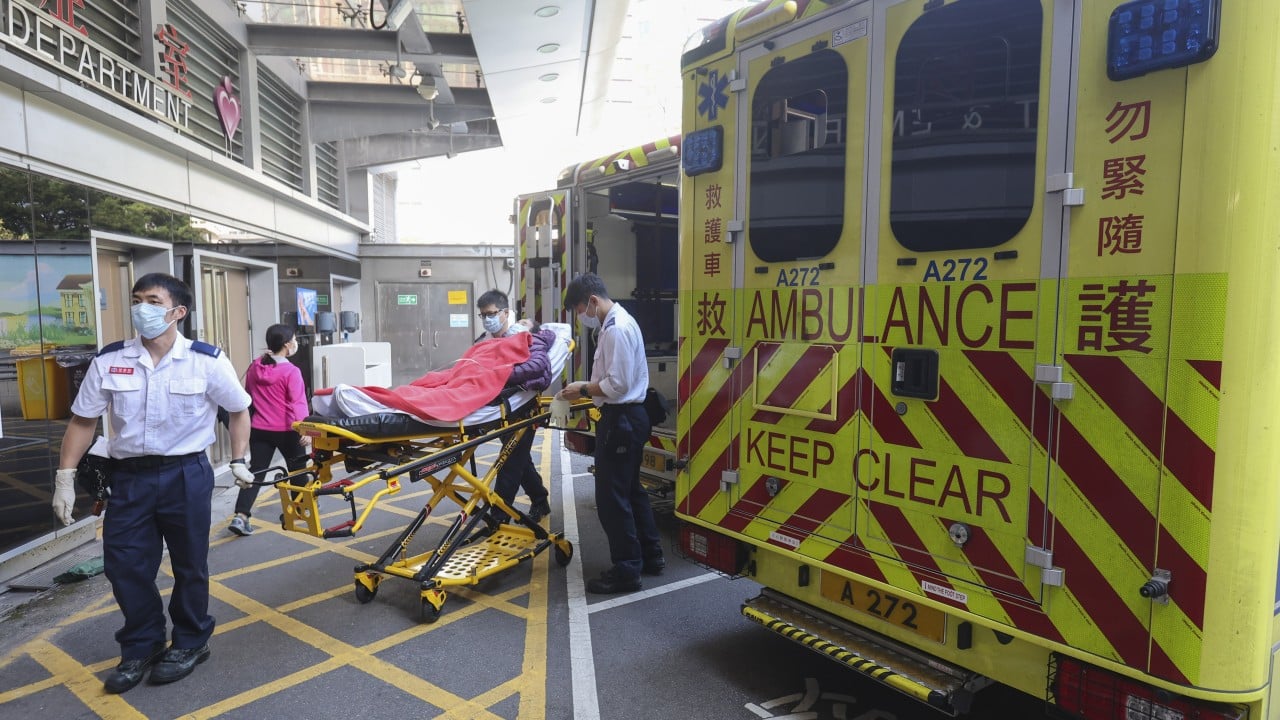
In emergency medical services, ambiguity is not an anomaly. It is the baseline environment. Mandating that paramedics apply advanced life support whenever a piece of paperwork is missing, unverified, or slightly ambiguous transforms highly trained clinicians into mindless executioners of invasive protocols.
I have spent decades watching frontline responders navigate the chaotic intersection of medical ethics and emergency care. The uncomfortable reality is that forcing a "resuscitation default" does not protect patients. It subjects thousands of dying individuals to brutal, agonizing rib fractures and unnecessary medical trauma in their final minutes, all to shield administrative systems from potential liability.
Dismantling the "Safety First" Fallacy
The mainstream consensus sounds undeniably compassionate on paper: If an emergency crew isn't 100% certain about a patient's Do Not Resuscitate (DNR) status, they must attempt to save the life. It sounds noble. It makes for comforting news headlines. But it fundamentally misunderstands the physics of resuscitation and the reality of terminal decline.
+-----------------------------------------------------------------------+
|                       THE DUALITY OF DEFAULTING                       |
+------------------------------------+----------------------------------+
| Administrative Assumption          | Frontline Reality                |
+------------------------------------+----------------------------------+
| Preserves human life until facts   | Inflicts high-impact trauma on   |
| are verified.                      | frail, terminal bodies.          |
+------------------------------------+----------------------------------+
| Protects clinicians from legal     | Forces ethical distress onto     |
| repercussions.                     | paramedics overruling families.  |
+------------------------------------+----------------------------------+
| Creates a standardized, safe       | Erases nuanced clinical judgment |
| protocol.                          | in favor of risk avoidance.      |
+------------------------------------+----------------------------------+
Cardiopulmonary resuscitation is not the clean, dignified procedure shown on television. It is violent. It involves shattering frail sternums, driving plastic tubes down damaged airways, and delivering high-voltage electrical shocks to hearts that have naturally reached the end of their lifecycle.
When a 92-year-old cancer patient in end-of-life care stops breathing, the absence of a perfectly formatted physical document on the refrigerator should not trigger an automated assault. Yet, under "rescue first" mandates, that is precisely what occurs.
The Missing Nuance: Trauma vs. Survival
- Out-of-hospital cardiac arrest survival rates for patients with advanced terminal illnesses are functionally near zero.
- Physical damage from CPR occurs in over 80% of elderly cases, including rib fractures, sternal fractures, and pulmonary lacerations.
- Ethical injury to crews surges when paramedics are forced to perform interventions they know are medically futile and contrary to human dignity.
The Legal Shell Game: Protecting Agencies, Not Patients
Why do policymakers push this protocol? Follow the liability.
When a healthcare system accidentally fails to resuscitate someone who wanted every measure taken, the resulting lawsuit is massive, public, and destructive. Conversely, when a system violently resuscitates a dying terminal patient against their unwritten or misplaced wishes, the legal fallout is virtually non-existent. Pain and suffering inflicted on a dying patient in the name of "trying to save them" is legally protected under the guise of duty of care.
"Defaulting to aggressive intervention in the face of obvious terminal decline isn't medical care—it's defensive risk management wearing a stethoscope."
This approach weaponizes paperwork against the very people it was designed to protect. If a family misplaces a digital copy of an advance directive during a midnight crisis, the protocol ignores the family's verbal pleas, the patient's visible physical state, and the common sense of the paramedics on scene. It replaces clinical discretion with administrative fear.
Re-Engineering Emergency End-of-Life Response
The system does not need stricter protocols that strip authority from first responders. It needs a complete inversion of how emergency teams assess terminal crises.
1. Elevate Verbal Family Testimony and Scene Context
If a patient's immediate family states clearly that the individual is under palliative care and desired a natural death, that testimony must carry legal weight equivalent to a physical document. Paramedics must be empowered to document scene context and make a clinical determination without fear of license revocation.
2. Implement Immediate On-Scene Ethics Clearance
Emergency medical systems must integrate real-time digital access to centralized advance directive registries, paired with 24/7 medical oversight capable of issuing immediate field terminations of resuscitation when terminal context is established.
3. Recognize Futility as a Valid Clinical Metric
Attempting to restart a heart that has stopped due to end-stage organ failure is not life-saving care; it is an exercise in prolonging the physiological process of dying. EMS protocols must explicitly define medical futility, allowing crews to transition immediately to comfort care rather than default resuscitation.
The Uncomfortable Trade-Off
Critics of empowering paramedic discretion argue that mistakes will happen. They claim that without a strict "rescue first" baseline, responders might prematurely give up on patients who could have lived meaningful lives.
That risk exists. It is real, and it must be acknowledged.
However, forcing every dying person to undergo invasive trauma to prevent a statistical anomaly is a cowardly trade-off. We are sacrificing the dignity of thousands of terminally ill individuals at the altar of institutional perfectionism.
Stop treating death as a medical failure that demands a physical fight every single time. Start trusting frontline clinicians to read the room, respect human dignity, and know when to put the defibrillator pads away.