The air in the control room smells stale, a recirculated mix of ozone, hot circuit boards, and the metallic tang of too much coffee. It is three in the morning in a windowless bunker thousands of miles away from the target. On the glowing monitors, a dusty stretch of road in Isfahan crawls into view. A lone motorcycle kicks up a plume of gray grit. The rider wears a faded blue helmet.
He does not know he is being watched. He cannot know.
High above the stratosphere, riding the thin, freezing edge of the atmosphere, an eye that never blinks stares down. It is not just a camera. It is a composite ghost built from synthetic aperture radar, infrared signatures, signals intelligence, and high-altitude electro-optical lenses that can resolve a wristwatch from twelve miles up.
When political figures boast about intelligence capabilities—claiming with casual bravado that a foreign adversary cannot go to the bathroom without being seen—they are usually accused of hyperbole. Yet behind the bluster lies a terrifying, technocratic reality. We have crossed a threshold where total visibility is no longer science fiction. It is an operational baseline.
Consider what happens next in this relentless architecture of surveillance.
The motorcycle turns down a narrow alleyway, flanked by sun-baked mudbrick walls. For a brief second, the shadows lengthen, and traditional optical satellites might lose the track. But today’s reconnaissance apparatus does not rely on simple sunlight. Multi-layered persistence ensures continuity. Radio frequency sensors track the unique electronic ping of a mobile device in the rider's pocket. Thermal imaging maps the residual heat of the engine block cooling against the stone.
Nothing is lost. Everything is cataloged.
Decades ago, intelligence gathering was an art of gaps and inferences. Analysts stared at grainy polaroids taken by U-2 spy planes, arguing over whether a smudge on a runway was a new fighter jet or a fuel truck. Human assets gathered intelligence in smoke-filled cafes, whispering secrets that might take days to reach a desk in Washington. It was messy, human, and deeply flawed.
Today, the human element has been sidelined by an avalanche of automated data. Algorithms ingest petabytes of video feeds every single minute. Machine learning models flag anomalies, tracking patterns of life with chilling precision. They know when the baker opens his shop, when the traffic patterns thin out before a curfew, and which specific vehicles linger too long outside a government compound.
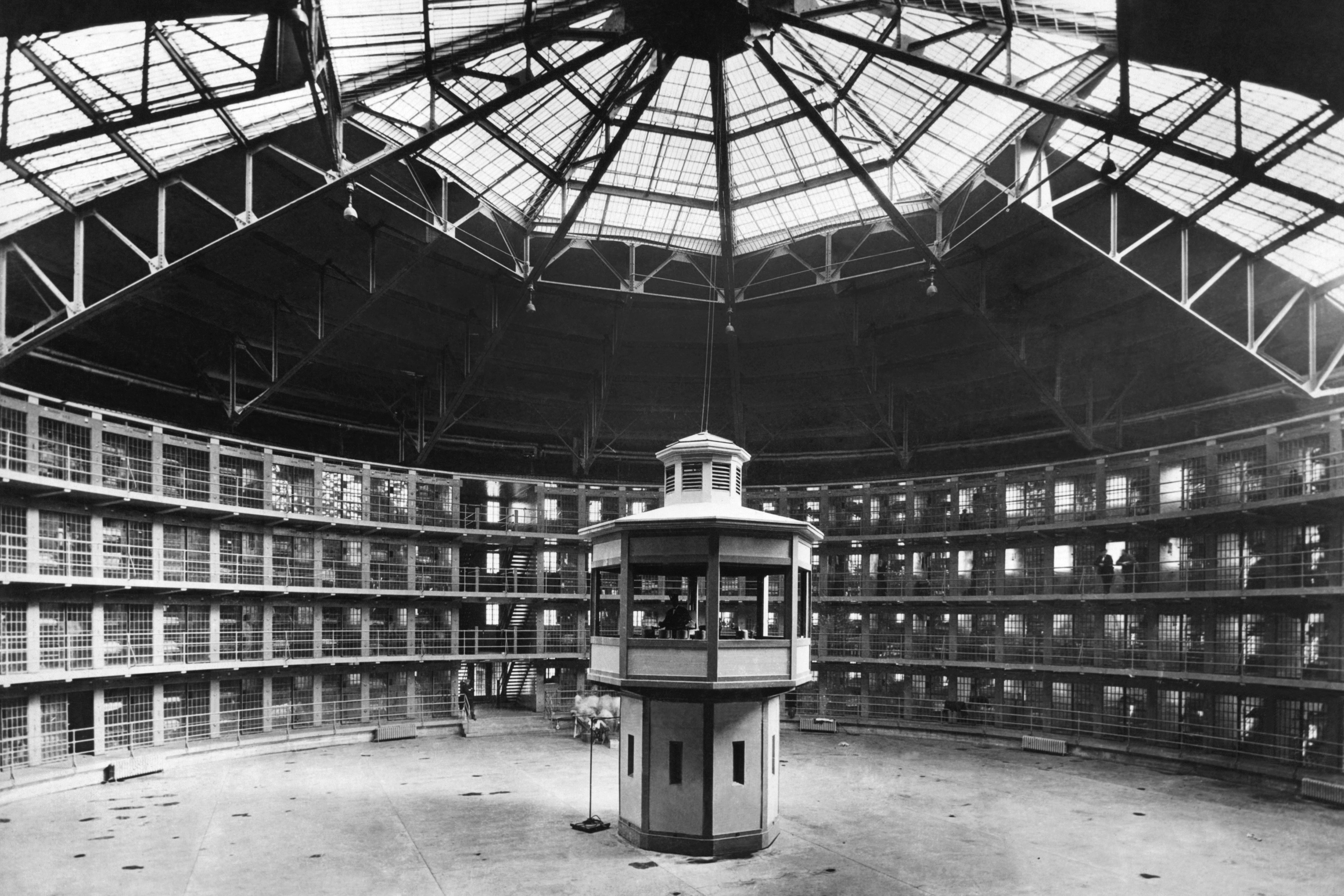
The boast that an adversary is under constant observation is less a tactical secret than a psychological weapon. It is designed to induce a specific kind of paranoia. If you believe the sky itself is watching your every movement, your behavior changes. You speak more quietly in your own courtyard. You second-guess every meeting, every phone call, every routine errand. The panopticon achieves its primary goal not through destruction, but through compliance.
Yet, total visibility is a seductive trap.
There is a profound difference between seeing everything and understanding anything. During my years tracking security developments in volatile regions, I learned a hard truth about modern intelligence: data obesity is a fatal disease. When you collect every single pixel, every intercepted text, and every thermal footprint, you drown in noise. Analysts become buried beneath an ocean of telemetry, desperately hunting for the single needle of genuine intent hidden inside a million haystacks of irrelevance.
You can watch a man walk to his bathroom, metaphorically speaking, and still have zero idea what is happening inside his head. You can map the coordinates of a courtyard down to the millimeter, but you cannot quantify ideological fervor, historical grievance, or desperation.
This is the great hubris of the modern surveillance state. It mistakes resolution for comprehension.
Think about the sheer industrial scale required to maintain this vigil. Satellites orbiting in low-earth constellations, persistent drone patrols loitering silently over hostile borders, server farms humming in subterranean vaults crunching tensor flows—all of it creates an illusion of absolute control. Leaders love this illusion. It offers a clean, technological substitute for messy diplomacy and uncertain human strategy. It feels like omnipotence.
But omnipotence is fragile.
As precision increases, so does the risk of catastrophic misinterpretation. When an intelligence apparatus is fed a diet of absolute surveillance, decision-makers begin to confuse their digital god-eye with a crystal ball. They assume that because they can see the physical actions of an adversary, they can predict their reactions. They forget that human beings under pressure are notoriously irrational, prone to sudden leaps of defiance that defy algorithmic models.
The motorcycle in Isfahan reaches its destination. The rider kills the engine, pulls off his helmet, and steps inside a modest doorway. The infrared signature fades, blending into the ambient thermal glow of the neighborhood. Across the ocean, a blue-lit screen refreshes, waiting for the next anomaly to appear.
We have built a world where nothing remains hidden, yet we are more blind to the future than ever before. The sky is full of eyes, but the dark spaces between the pixels are where history actually happens.