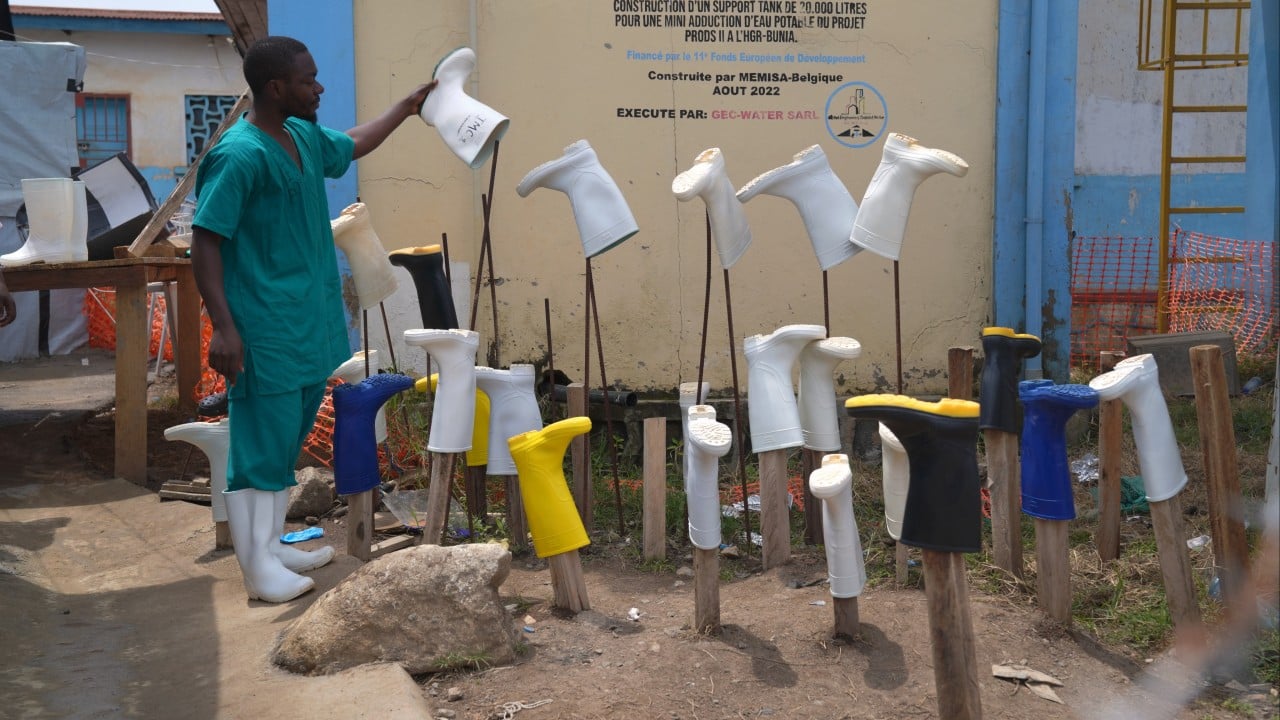
The World Health Organization loves a crisis. It feeds the bureaucracy. It justifies the massive budgets. Every time an Ebola flare-up hits the Democratic Republic of Congo, the script is identical. The WHO chief steps to a podium, the tone is grave, and the media parrots the same tired narrative: we are losing control, the situation is dire, and massive international intervention is the only shield against a continental collapse.
It is theater. Expensive, damaging, and fundamentally dishonest theater.
The establishment claims the spread is unchecked. They scream about numbers, logistics, and the necessity of foreign experts parachuting into Equateur or North Kivu. They ignore the reality on the ground because the reality on the ground suggests that the current global health apparatus is becoming an impediment rather than a solution.
I have spent years watching the international community throw money at bio-security while local infrastructure in Kinshasa rots. I have seen funds earmarked for long-term health resilience disappear into the coffers of logistics firms that charge premium rates to fly bottled water into regions that need localized, decentralized vaccination strategies.
The narrative of being "far from under control" relies on an outdated definition of health security. They are still fighting 1970s battles with 2020s hubris.
The Myth Of Global Containment
The dominant assumption—the one the WHO prints on every press release—is that health stability is a top-down affair. If you do not have a centralized, internationally recognized command chain, you do not have health. This is demonstrably false.
Think about the actual mechanics of an Ebola transmission chain. It is intimate. It is tied to local burial customs and regional trade hubs. It is not stopped by a guy in a suit sitting in Geneva issuing warnings to the press. It is stopped by community health workers who speak the dialect, respect the local leadership, and actually have the trust of the families involved.
When the WHO makes it about them, they shift the focus away from the only people capable of stopping the transmission. They turn a community health event into a geopolitical bargaining chip. They alienate local populations who see foreign intervention not as a lifeline, but as an intrusion of outsiders who don't understand the geography or the culture.
The Data Trap
Look at the statistics they love to throw around. They highlight the raw case counts to generate urgency. They ignore the lethality variance and the actual progress made in community-level response because that progress makes the WHO less necessary.
I have seen the internal reports where the success stories are buried in the appendix because they don't justify a high-level emergency summit. If you acknowledge that regionalized, autonomous, local health networks are containing the virus faster than the international teams, you lose the funding for the next mission.
It is a perverse incentive structure. Success is a threat to the institution.
The Real Solution Is Anarchy
If we want to actually stop Ebola, we need to stop treating it as a global emergency and start treating it as a local logistical challenge.
Imagine a scenario where we cut the funding to international coordinating bodies by seventy percent and moved that capital directly to village-level health clinics and local pharmacies. No international consultants. No luxury hotels in the capital. Just decentralized supplies, training for local traditional healers to identify symptoms early, and a total hands-off policy from the global elite.
Would there be mistakes? Absolutely. Would there be more chaos in the short term? Probably. But the long-term result would be a system that actually works for the people living there, rather than a system designed to look good on a donor’s annual report.
The downside of this approach is that it is messy. It is difficult to manage. You cannot put it in a brochure. You cannot get a nice photo of a diplomat shaking hands with a local official. But it works. And it works better than the current model of performative crisis management.
The Bureaucratic Barrier
The experts will tell you this is dangerous. They will talk about the need for "standardization." They will warn about the dangers of local health actors not following the official protocol.
What they really mean is they are losing their grip on the narrative.
When you hear a top official say the outbreak is far from under control, translate that to: "We haven't figured out how to make this work for our current organizational goals." They aren't worried about the virus. They are worried about the loss of status. They are worried that the world might eventually realize that these regions don't need a savior from the global North. They need a system that isn't built to prioritize donor optics over patient outcomes.
We have spent decades building a massive, interconnected health bureaucracy that moves slower than the pathogens it claims to monitor. We have created a dependency that cripples the very communities we claim to be protecting.
Stop buying the panic. The WHO doesn't want the virus under control; they want the virus to remain a viable reason for their continued existence. The next time you see the headlines, look for who gains from the fear. It is never the people in the village. It is always the people at the podium.