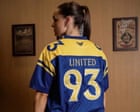
You would think that in this day and age, someone in a football club's marketing department would run a quick mental check before plastering numbers across a new clothing range. Apparently, that is asking too much. Oxford United recently managed to walk headfirst into a massive PR disaster by launching a merchandise line featuring the branding "United 93" right around the 25th anniversary of the September 11 terrorist attacks.
The fallout was swift. Fans were furious, social media erupted, and the club pulled the entire collection from its website within hours. How does a professional sports organization miss something that glaring? Let's break down what actually happened, why the excuse doesn't hold up, and what sports clubs can learn from this absolute catastrophe. If you liked this article, you should check out: this related article.
The Innocent Intent Versus The Brutal Reality
To understand how this happened, you have to look at what Oxford United was trying to achieve. The club was founded in 1893. In the football merchandise world, leaning into founding years is standard practice. They rolled out a "Campus Collection"—featuring American football and baseball style jerseys—designed to celebrate their heritage.
They mashed up "United" from their club name with "93" from their birth year. On paper, in a quiet office in Oxfordshire, it probably felt like a clever nod to retro campus fashion. For another look on this event, see the latest update from Bleacher Report.
The problem? They completely ignored global context.
United Airlines Flight 93 is one of the most heavy, painful symbols of modern history. It was the fourth plane hijacked on September 11, 2001, where brave passengers fought back against terrorists and crashed the plane into a field in Pennsylvania, preventing it from hitting its intended target in Washington D.C. Because of the heroic sacrifice of those onboard and the critically acclaimed 2006 film sharing its exact name, "United 93" carries an immense emotional weight worldwide.
Dropping American-style sports jerseys with "United 93" stamped across them right around the 25th anniversary of the tragedy is the kind of tone-deaf move that makes you wonder if anyone in the approval chain reads the news.
The Swift Apology And Internal Scramble
Oxford United didn't try to double down or defend the blunder. Credit where it's due, they pulled the plug immediately. The clothing line vanished from online stores roughly two hours after launch, followed by a formal statement.
The club admitted to a complete lack of understanding regarding the historical context and associations tied to the branding. They issued an unreserved apology and announced an urgent review of their internal approval processes.
Fans on forums were heavily divided. Some called it an honest, incredibly stupid oversight by people who were tunnel-visioned on club history. Others called for heads to roll, pointing out that basic due diligence should have caught a glaring international reference immediately.
Why Sports Clubs Keep Stepping Into PR Landmines
This isn't an isolated incident in the sports and entertainment business. Time and time again, marketing teams operate in a bubble. They get so caught up in aesthetic trends, vintage aesthetics, and launch schedules that they forget to ask the most important question.
Does this mean something else to the rest of the world?
When you design merchandise styled like American sportswear, you are inherently nodding to a global market. You cannot pitch American-style campus gear while ignoring how American history and global tragedies intersect. Ignorance is never a valid defense when you are running a professional brand with a massive audience.
Moving Forward From A Monumental Blunder
Oxford United has shelved the collection for good, but the damage to their brand perception will take time to fade. Internal reviews are fine, but they usually just mean new bureaucratic sign-off layers that slow down creative projects without fixing common sense.
The real fix is simple. Bring in diverse perspectives during the creative review stage. If a marketing concept has multiple interpretations, trust the team member who raises a red flag instead of pushing the product through for a deadline. Brands that fail to learn this lesson will keep paying for it with their reputation.