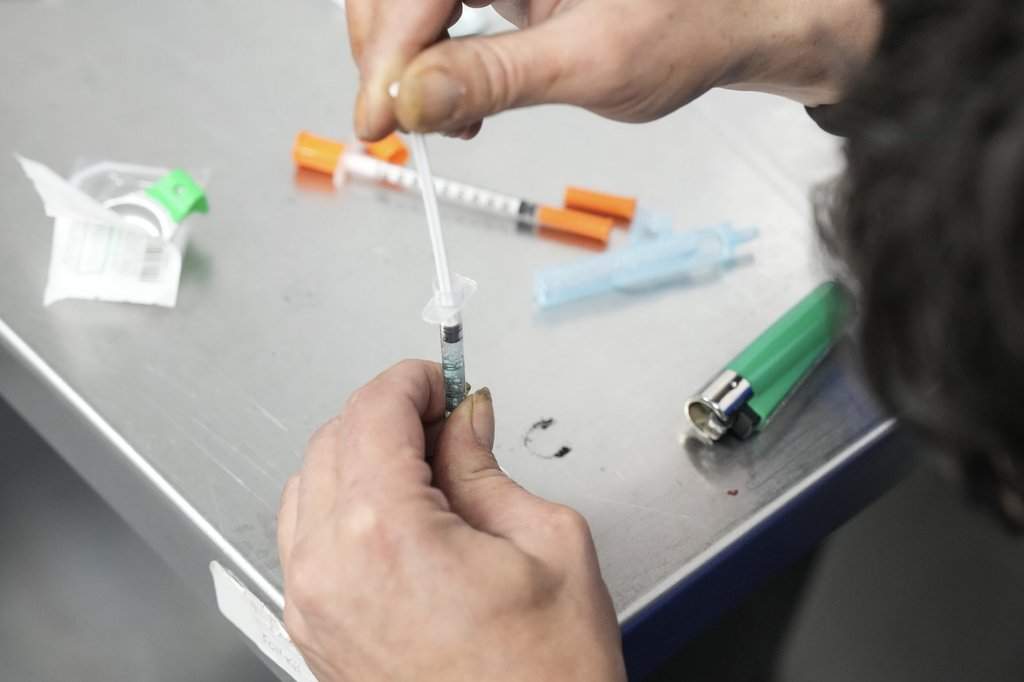
Prescribing safer supply drugs in Ontario was supposed to get a major overhaul this month, until a legal challenge stopped enforcement dead in its tracks.
On October 13, 2026, the College of Physicians and Surgeons of Ontario (CPSO) approved sweeping amendments to safer supply prescribing ahead of a planned November 16 compliance date. The rules would ban take-home doses, require witnessed consumption in front of a health-care professional, mandate monthly in-person clinical assessments, and tie safer supply prescriptions directly to opioid agonist therapy (OAT).
Then came the twist. Just days before the November 16 rollout, the CPSO paused enforcement to respond to a court injunction filed against the new requirements.
If you're trying to make sense of what's happening right now, here's the bottom line. The rules aren't permanently dead, nor are they actively forcing patients into daily witnessed dosing today. Physicians have been told to keep exercising clinical judgment while the legal fight plays out.
What Ontario's Safer Supply Rules Actually Changed
Most coverage treats safer supply and opioid agonist therapy like two versions of the same thing. They aren't.
Medications like methadone and buprenorphine/naloxone (Suboxone) are long-acting treatments used in OAT to manage opioid use disorder and reduce cravings. Safer opioid supply programs, by contrast, prescribe pharmaceutical alternatives—most commonly short-acting immediate-release hydromorphone tablets—to people at high risk of overdose from a toxic, unpredictable illicit street supply dominated by fentanyl.
Under the October 13 amendments, the College of Physicians and Surgeons of Ontario set four core expectations:
- No take-home doses ("no carries"): Prescriptions had to specify that safer supply doses be observed rather than taken home, with no exemptions for rural or remote patients.
- Concurrent OAT required: Physicians could only prescribe safer supply medications alongside opioid agonist therapy.
- Monthly in-person checks: Patients receiving safer supply medications needed a comprehensive in-person clinical assessment at least once a month.
- No hard eight-week cap: Notably, the board dropped an earlier idea of imposing an eight-week time limit on safer supply prescribing.
One practical detail gets lost in headline summaries. Hydromorphone is short-acting. Unlike a single morning dose of methadone that lasts all day, short-acting tablets worn down quickly can push a patient into withdrawal if dosing is squeezed into one window. An evidence brief from the Ontario Drug Policy Research Network pointed out that observing every dose of a short-acting drug in theory could mean multiple pharmacy visits a day for roughly 5,300 Ontarians receiving safer opioid supply—something community pharmacies aren't staffed or funded to absorb easily.
Why Diversion Worries Collided With Clinical Reality
Let's be honest about why this issue is so polarizing. Both sides are reacting to real problems, and neither side gets to pretend the trade-offs don't exist.
Regulators and police have raised alarms about prescribed safer supply opioids—especially hydromorphone—ending up diverted onto the street or used by people who weren't prescribed them. In announcing the October amendments, CPSO board chair Dr. Patrick Safieh pointed to police observations of diversion to the black market, while registrar and CEO Dr. Nancy Whitmore said diversion poses serious patient and public safety risks. From a regulator's chair, when tablets meant for one person show up elsewhere, tightening oversight looks like a straightforward duty.
Clinicians and researchers look at the same landscape and see a different set of hazards. In an October 9, 2026 letter ahead of the board vote, clinician members of META:PHI warned that rigid rules risk destabilizing patients who have already found footing on a combined regimen, pushing some people out of OAT altogether, and driving them back toward illicit fentanyl.
The Evidence Gap and Retention Numbers
Here is what makes the debate tricky in practice. Research on Ontario safer supply programs has frequently reported lower overdose rates and improved engagement in primary care among enrolled participants, alongside longer average retention compared with matched cohorts starting methadone in some studies. At the same time, critics and policymakers have argued that diversion rates aren't cleanly measured and that hydromorphone doesn't match fentanyl's potency for everyone.
I've seen plenty of health policies sound tidy on paper and fall apart at the pharmacy counter. Requiring daily or multi-daily in-person attendance sounds neat until you factor in shift work, transit gaps in smaller towns, childcare, or physical disability. When a patient misses consecutive doses because they couldn't make it to a clinic or pharmacy, missed-dose protocols can trigger holds or dose reductions, increasing the temptation to fill the gap on the street.
The Ontario College of Pharmacists flagged real operational questions before the pause, from pharmacy staffing and privacy space to how pharmacists handle patients immobilized after surgery or living with a public health condition who can't easily walk in for observed dosing. Those aren't minor edge cases. They're everyday logistics.
Where Things Stand After the Injunction Pause
Because enforcement is paused while the CPSO responds to the injunction, the November 16 compliance cutoff isn't being enforced right now. That pause gives patients, prescribers, and pharmacists breathing room—kinda like hitting the brakes a few feet before an intersection while the lights get sorted out.
Still, don't mistake a pause for a permanent repeal. The CPSO has stated that the changes are on hold pending its legal response, and physicians are expected to follow their existing professional obligations and clinical judgment in the meantime. Meanwhile, broader provincial shifts in Ontario—including the closure of federally funded safer supply programs under Bill 223 in March 2025 and the rollout of HART hubs that exclude safer supply—have already reshaped how care is delivered across the province.
Practical Steps If You're Navigating Care or Policy Now
Whether you're a patient receiving care, a clinician or pharmacist adjusting workflows, or someone tracking addiction policy in Ontario, a few practical steps matter right now:
- Check current status directly with your care team or regulator. Because the November 16 rollout was paused due to a legal challenge, ask your prescriber or pharmacist how your specific care plan is handled during the hold rather than assuming automatic changes.
- Plan ahead around missed doses and travel. If you rely on regular pharmacy pickups or live outside a major city center, talk with your clinician early about contingency plans, backup supports, and what happens if illness or travel interrupts a schedule.
- Document clinical stability and barriers. For patients and clinicians alike, keeping clear notes on housing, work hours, withdrawal symptoms, OAT response, and mobility barriers helps support individualized clinical judgment.
- Watch official updates from the CPSO and OCP. Legal injunctions move on court timelines, so monitor official notices from the CPSO and the Ontario College of Pharmacists for any lifting of the pause or revised guidance.