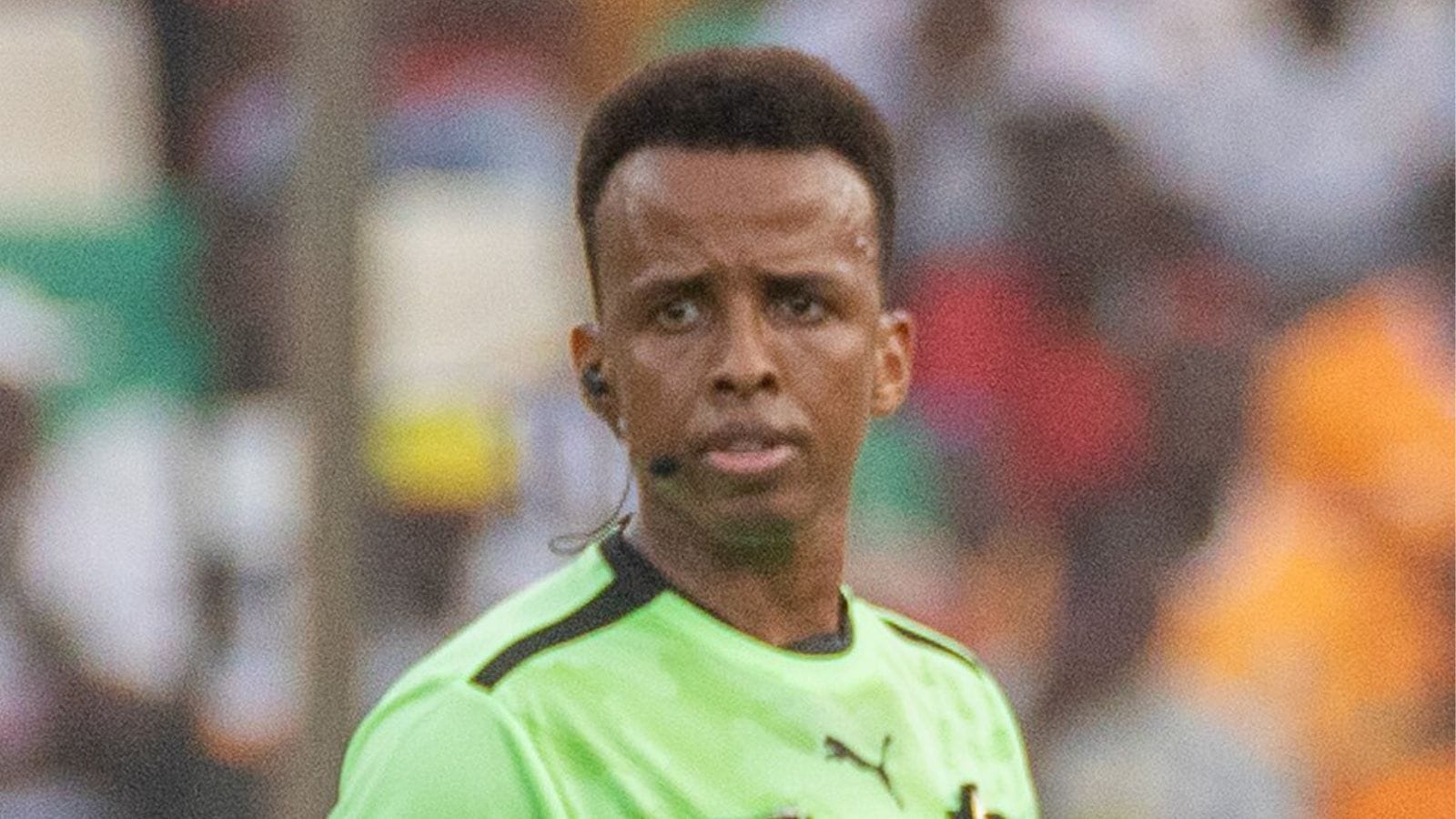
Imagine spending your entire life running lines, studying rulebooks, and earning the whistle for the biggest sporting event on earth, only to get stuck in an airport isolation room for 11 hours. That is exactly what happened to Omar Abdulkadir Artan. The 34-year-old was named Africa's Referee of the Year in 2025. He was supposed to make history as the first Somali referee to ever take charge of a men's FIFA World Cup match. Instead, he landed at Miami International Airport, got flagged by border agents, and was slapped with an expedited removal order that sent him right back to Istanbul.
It is a massive blow for representation in football. It also exposes a glaring flaw in how we host mega-sporting events. When countries pitch to host a World Cup or an Olympics, they promise the world an open door. They say sports transcend politics. But when the rubber meets the road, national security and immigration hardlines will always win. Artan had the right papers. He had a valid visa. None of it mattered the second he hit the US Customs and Border Protection desk.
The Vetting Blockade at Miami International
The official line from the Trump administration dropped like a lead weight. According to a US official, Artan was denied entry under section 8235 of the Immigration and Nationality Act due to "derogatory information" linking him to "suspected members of terror organisations." It is a heavy accusation, but the administration has not provided any public evidence to back it up.
For Somalia, a country already grappling with a sweeping travel ban imposed by the administration, this felt less like a targeted security measure and more like a predictable byproduct of geopolitics. The president has been openly hostile toward Somalia, previously calling it "barely a country" and making disparaging comments about its people. When you have a blanket political stance like that, an elite athlete or a top-tier referee from that region doesn't stand a chance at the border.
The logistics made the situation even more brutal. You might think Artan could just fly over to Canada or Mexico to referee games there instead, since the 2026 World Cup is a joint hosting gig. But FIFA bases all its match officials in Florida for collective training, physical preparation, and tournament security. If you can't get into the US, you can't work the tournament. Period. FIFA scrambled behind the scenes, but their hands were tied. A spokesperson quickly confirmed that the governing body does not interfere with host country immigration laws. Artan was officially stripped from the tournament roster.
High-Profile Backlash and the Global Outcry
The fallout on social media was instant, and it brought some heavy hitters into the mix. Former US Secretary of State Hillary Clinton took to X to bash the decision. She noted that as a host, the US shouldn't be flippantly barring officials from doing their jobs, calling the move "backward" and "counterproductive."
World Health Organisation chief Tedros Adhanom Ghebreyesus chimed in too, arguing that international sport is supposed to unite people, not isolate them based on their passports. From London, former Labour Party leader Jeremy Corbyn called the exclusion flat-out discriminatory. Back in Mogadishu, thousands of fans had been preparing to celebrate Artan's achievement. His rejection felt like a collective gut punch to a nation trying to build a positive narrative through sports. Ciise Aden Abshir, a senior adviser to Somalia's Ministry of Youth and Sports, pointed out that turning Artan away completely undermines the core concept of merit and fair play.
What makes this situation particularly messy is the hypocrisy embedded in modern sports bidding. When the US, Mexico, and Canada won the rights to this tournament, they signed extensive host nation guarantees. Those agreements usually include promises to facilitate smooth entry for athletes, coaches, and accredited officials. But those guarantees aren't legally binding treaties. They are basically gentlemens' agreements. When a government decides to tighten its borders, FIFA has zero leverage to force their hand.
The Broader Impact on International Tournaments
This is not an isolated incident, and it won't be the last. The Iranian football federation recently reported that while their players got visas, 14 of their team officials were denied entry by US authorities. We are seeing a dangerous trend where the political climate of a host country dictates who gets to participate in global sports.
If you are an aspiring athlete or official from a developing nation, the message here is incredibly discouraging. You can be the absolute best in your field, do everything right, and still get sidelined because of the passport you hold. Artan himself handled the situation with an incredible amount of grace. After landing back in Mogadishu, he told reporters that what happened was down to fate, urged Somali youth not to lose hope in their country, and boldly promised he would be on the whistle for the 2030 World Cup.
If sports governing bodies want to keep calling their tournaments "global," they need to start demanding ironclad, legally binding immigration waivers before awarding hosting rights. If a nation cannot guarantee that every qualified participant can safely enter the country to do their job, they simply should not be allowed to host. Until FIFA and the International Olympic Committee grow a backbone and enforce that standard, more dreams will get cut short in airport terminal holding rooms.