The Fantasy of the Alternative Route
Every few years, a headline surfaces claiming someone has solved the Strait of Hormuz. The latest variant involves Oman pitching a Malacca-style transit bypass, drawing breathless analysis from analysts who should know better. The lazy consensus goes like this: Iran holds a geopolitical gun to the global energy supply via a narrow strip of water, and alternative pipelines or overland routes will render that chokepoint obsolete.
It is a comforting fairy tale for risk committees and corporate strategists who need to put something reassuring in their quarterly reports. It is also entirely detached from how physical commodities actually move, how infrastructure financing works, and why geography remains the ultimate dictator of modern trade.
I have spent decades watching corporations and governments fall for the bypass trap. I have seen energy desks blow millions hedging against Hormuz closures by betting on pipe dreams that never pump a single barrel. They look at a map, draw a straight line from point A to point B, and assume engineering hurdles vanish because a minister signed a memorandum of understanding.
Let us dismantle the fiction.
The Malacca Fallacy
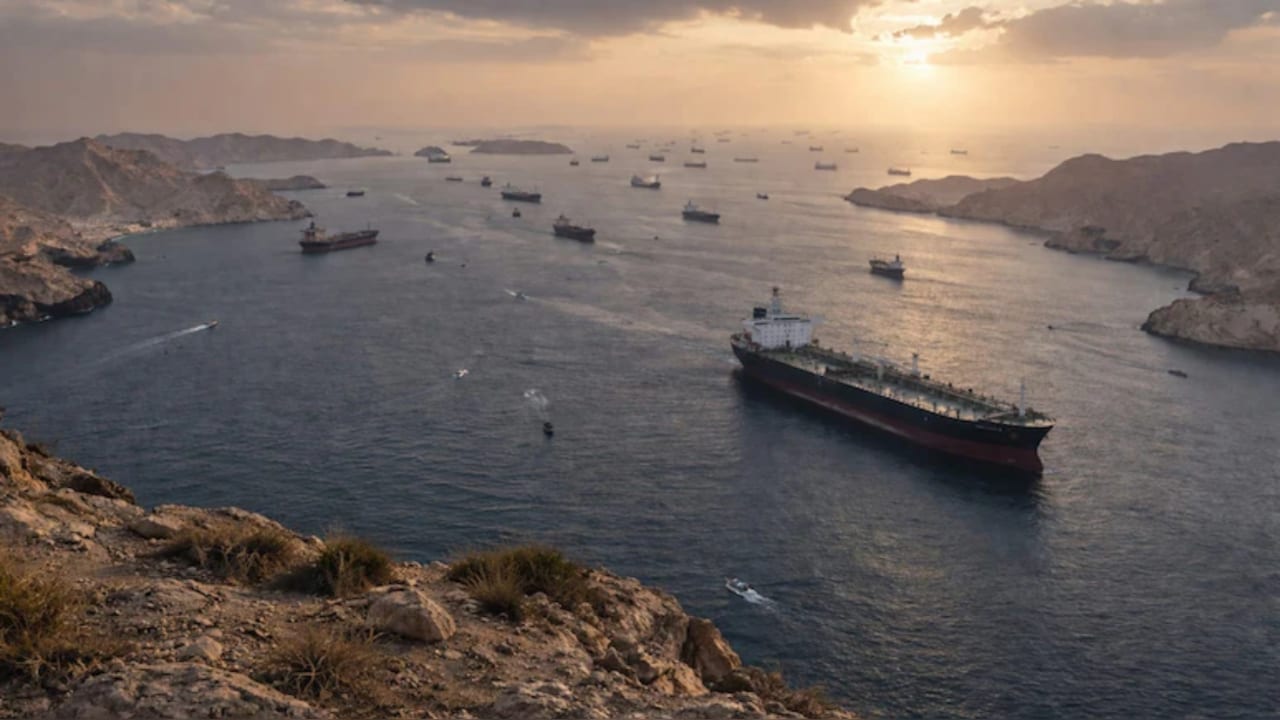
Comparing any Middle Eastern transit scheme to the Strait of Malacca betrays a fundamental misunderstanding of regional geography and commercial reality. Malacca is a natural shipping lane bordered by multiple nations where traffic flows from open oceans into open oceans. Hormuz is a confined funnel where nearly a third of all globally traded crude oil passes through waters flanked by a hostile state with an unmatched asymmetric naval capability.
Oman can pitch all the bypass terminals it wants on the Gulf of Oman, but getting the oil across the Arabian Peninsula or bypassing the Strait requires moving physical mass on a scale that defies economic logic. A pipeline running from the Persian Gulf to an Omani port outside the strait sounds neat on paper. Try securing multi-billion-dollar debt financing for a massive hydrocarbon corridor when every institutional lender on earth factors in the risk of sabotage, regional escalation, and maintenance costs that make offshore drilling look like a safe savings account.
The numbers never pencil out. Shipping crude via Very Large Crude Carriers through the strait remains radically cheaper than pumping it through overland or bypass pipelines. Insurance premiums spike during geopolitical flare-ups, yes, but even a doubled war-risk premium is a rounding error compared to the capital expenditure of constructing and defending thousands of kilometers of overland pipe through unforgiving terrain.
The Geopolitical Leverage Illusion
The core misconception fueling these alternative route proposals is that Iran derives its power solely from geographic proximity to the water. That is backward. Tehran holds leverage because the global energy market demands absolute efficiency, and Hormuz delivers that efficiency at scale.
When people ask whether alternative routes can end Iran's grip on the passage, they are asking the wrong question entirely. The question is not whether oil can find another way out. The question is whether the global economy can absorb the permanent structural inflation of rerouting a massive volume of daily supply through constrained, high-cost bottlenecks.
The answer is no.
Imagine a scenario where every barrel of crude originating in the northern Gulf is forced onto overland transit systems to avoid the strait entirely. Refineries calibrated for specific crude slates would face massive retooling costs. Shipping times would stretch. Economies of scale would shatter. The resulting price shock would make past energy crises look like a minor market correction.
Oman knows this. The pitch is less a viable commercial project and more a diplomatic play for foreign investment and regional relevance. Muscat wants to position itself as the Switzerland of the Gulf, extracting rents and advisory fees from nervous Western governments desperate for a narrative of diversification.
The Hard Truth About Chokepoints
Geopolitics does not care about your diversification strategy. Certain geographic choke points are permanent fixtures of the global trade architecture. You cannot engineer your way around geology.
When supply chains are optimized for maximum efficiency, they become structurally fragile. That is not a bug; it is the fundamental feature of globalized capitalism. Every attempt to design a zero-risk supply chain results in a high-cost white elephant that cannot compete on the open market during peacetime, and gets abandoned or bombed during wartime.
The next time an industry report tells you a new pipeline or a regional transit accord is going to neutralize a strategic chokepoint, look at who is funding the study. Follow the consulting fees. Check the government subsidies.
Stop trying to engineer around geography. Accept the risk, price it accurately, and stop pretending a press release from Muscat is going to rewrite the laws of physical logistics.