The brief moment of calm in West Asia just evaporated. If you thought the recent ceasefire was the start of a long-term cool down, the latest data suggests you’re wrong. Markets are waking up to a harsh reality: the pause wasn't a peace deal, it was a pit stop. With Iran ramping up its rhetoric and military posture, the "risk premium" we all talk about is no longer a theoretical concept. It’s becoming a permanent fixture of the global economy.
Industry veteran Iman Nasseri, Managing Director at FGE NexantECA, isn't pulling punches. He’s warning that crude oil could blast past $150 if this escalation continues. This isn't just about a few dollars at the pump. We're looking at a fundamental shift in how energy flows—or stops flowing—across the globe. The ceasefire was supposed to provide a floor for prices; instead, its failure has created a new, much higher ceiling.
Why $150 oil is no longer a crazy prediction
For months, traders bet on a "partial de-escalation." They were wrong. When the US and Israel launched joint strikes earlier this year, Brent futures already flirted with $120. While prices dipped slightly during the temporary truce, the structural damage is done. Nasseri notes that the market had priced in a level of stability that simply doesn't exist.
If the conflict reaches a boiling point in May or June, we aren't just looking at a price hike. We’re looking at a supply shock. The World Bank is already projecting energy prices to surge by 24% this year. If you think $100 is expensive, imagine adding 50% to that. It’s a domino effect that hits fertilizer, food, and transport in one go.
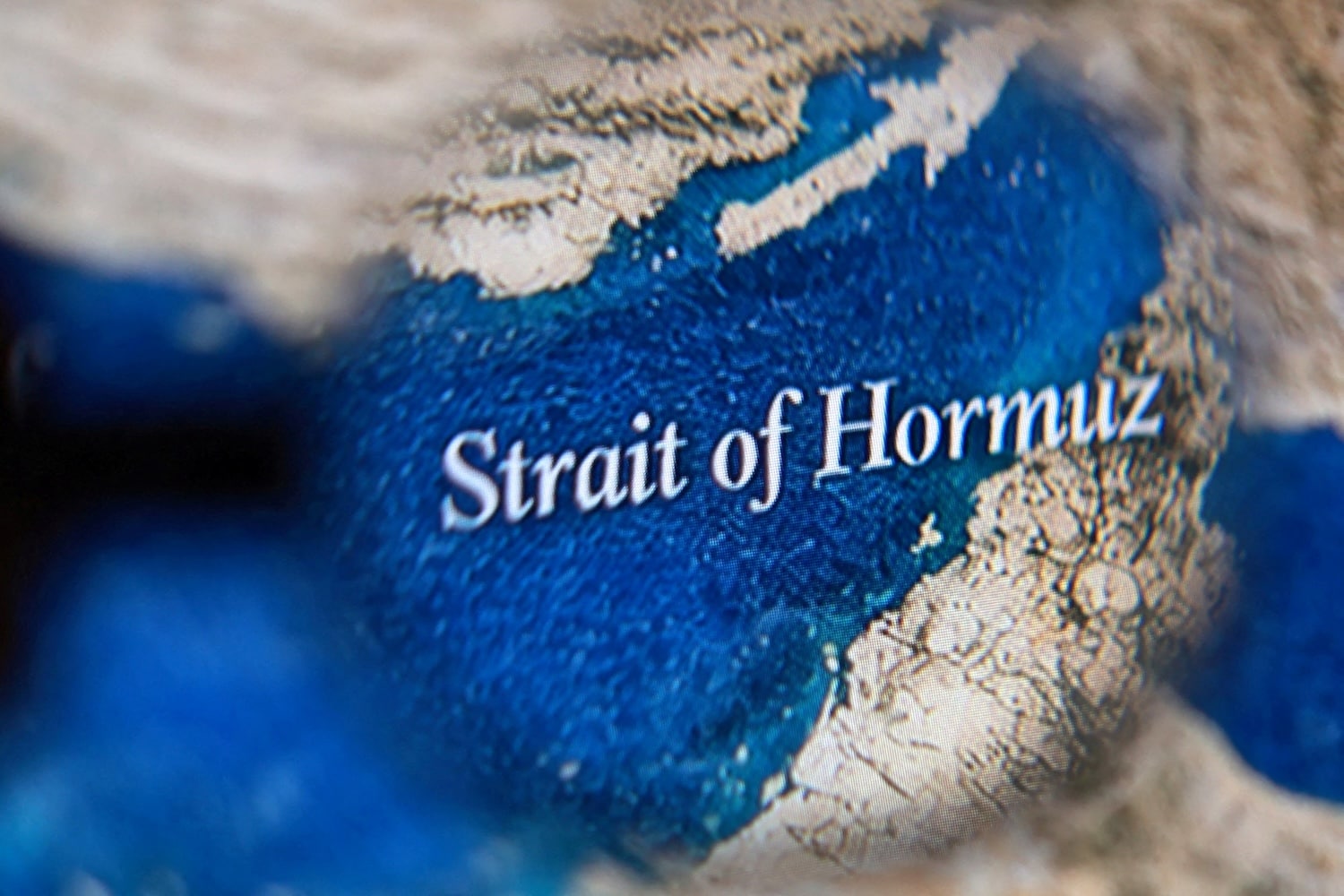
The Strait of Hormuz is the world's biggest bottleneck
You can't talk about $150 oil without talking about the Strait of Hormuz. It’s the ultimate "kill switch" for the global economy. Roughly 20% of the world’s oil—nearly 20 million barrels every single day—passes through this narrow stretch of water. Iran knows this. They’ve spent decades perfecting the art of "internationalizing" the cost of war.
- Supply at a trickle: Pre-war flows of 20 million barrels per day have already seen massive disruptions.
- Production cuts: Some Gulf countries have had to cut production by 10 million barrels per day because they simply can't move the product.
- No easy bypass: While some pipelines exist to bypass the Strait, they can't handle the sheer volume required to keep global markets stable.
When the IRGC targets shipping or threatens to shut the passage entirely, they aren't just fighting a regional war. They’re tax-collecting from every consumer in Europe and Asia. India, for instance, gets about 40% of its crude through this route. They have reserves to last until June, but then what? The buffer is thinning.
The math of a global energy crisis
Let’s look at the numbers. The International Energy Agency (IEA) recently released 400 million barrels from emergency reserves. That sounds like a lot until you realize the world consumes about 100 million barrels a day. It’s a four-day band-aid for a sucking chest wound.
The World Bank’s recent Commodity Markets Outlook shows that for every 1% decline in global oil production caused by geopolitics, prices tend to jump by 11.5%. We’ve already seen a much larger hit than 1%. If the Strait remains a no-go zone, the arithmetic of $150 oil becomes unavoidable.
More than just crude
It isn't just about your car.
- Refined Products: Jet fuel and diesel prices are rising even faster than crude.
- Fertilizer: Urea prices are up 60%. This will hit crop yields by next season, meaning your grocery bill is about to follow the oil chart.
- Inflation: Central banks were just starting to get a handle on interest rates. This surge throws those plans out the window.
What actually happens next
Honestly, the "diplomacy" we see in the headlines feels like a sideshow. While negotiators talk about uranium transfers and frozen assets, the reality on the ground is a regime in Iran that feels backed into a corner. When a regime feels its survival is at stake, it doesn't play by the rules of the global commodities market.
Nasseri’s forecast of $140 to $150 by June assumes that the supply disruption persists. Right now, there's no reason to think it won't. If you're managing a business or a portfolio, "waiting for things to get back to normal" is a losing strategy. The new normal is volatility.
How to protect yourself from the surge
Stop watching the daily fluctuations and look at the trend.
- Lock in energy costs: If you’re in an industry that relies on transport or manufacturing, look at hedging your fuel costs now.
- Watch the Strait, not the headlines: Ignore the political "ceasefire" talk. Watch the actual tanker traffic data in the Persian Gulf. That's the only truth in this market.
- Diversify away from oil-heavy sectors: Retail and airlines are going to feel the squeeze first. If oil hits $150, the "discretionary spending" of the average consumer will vanish.
The ceasefire didn't fail because of a lack of effort; it failed because the underlying tensions are too deep for a two-week band-aid to fix. Prepare for a summer of record-breaking energy costs.