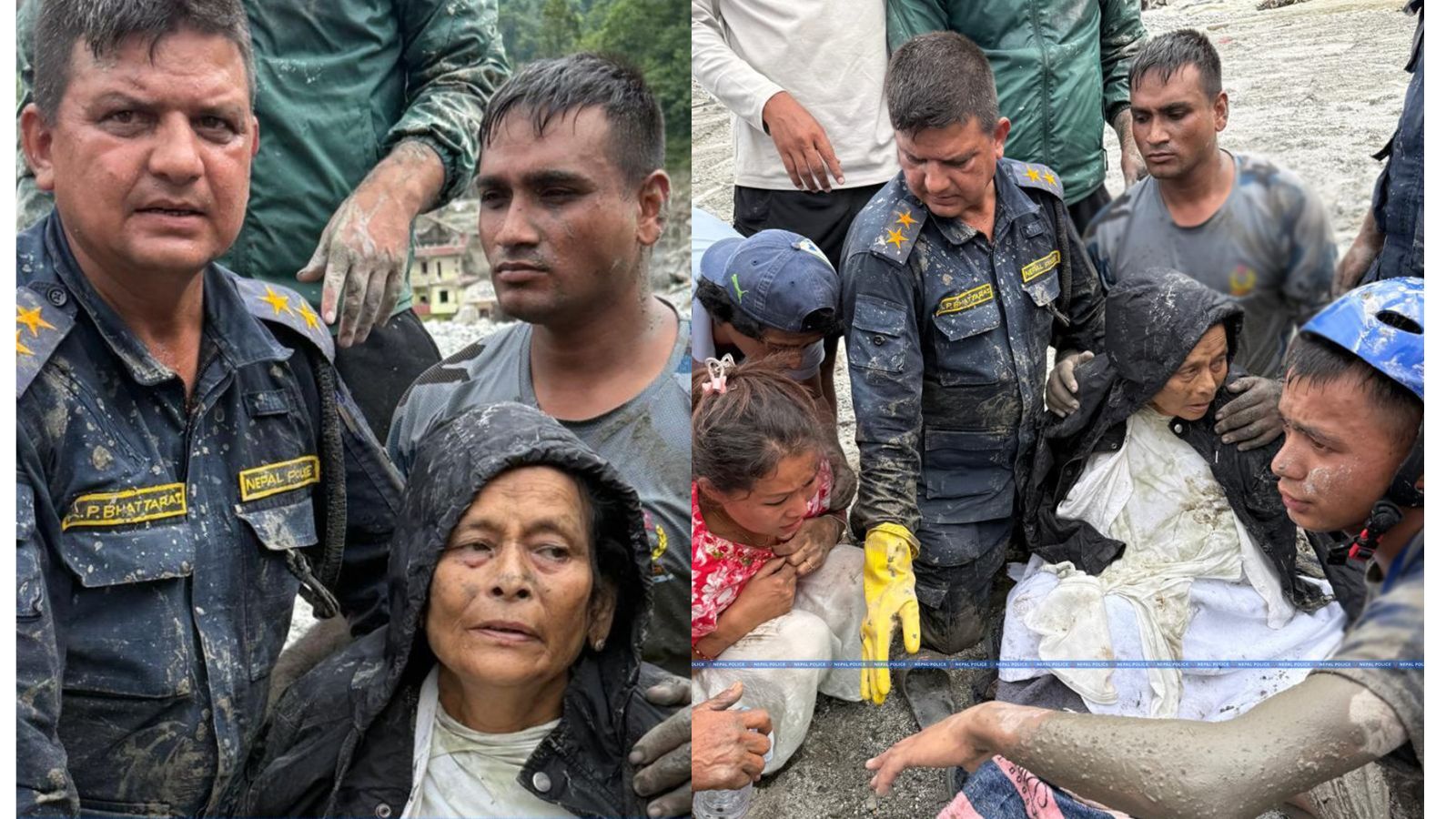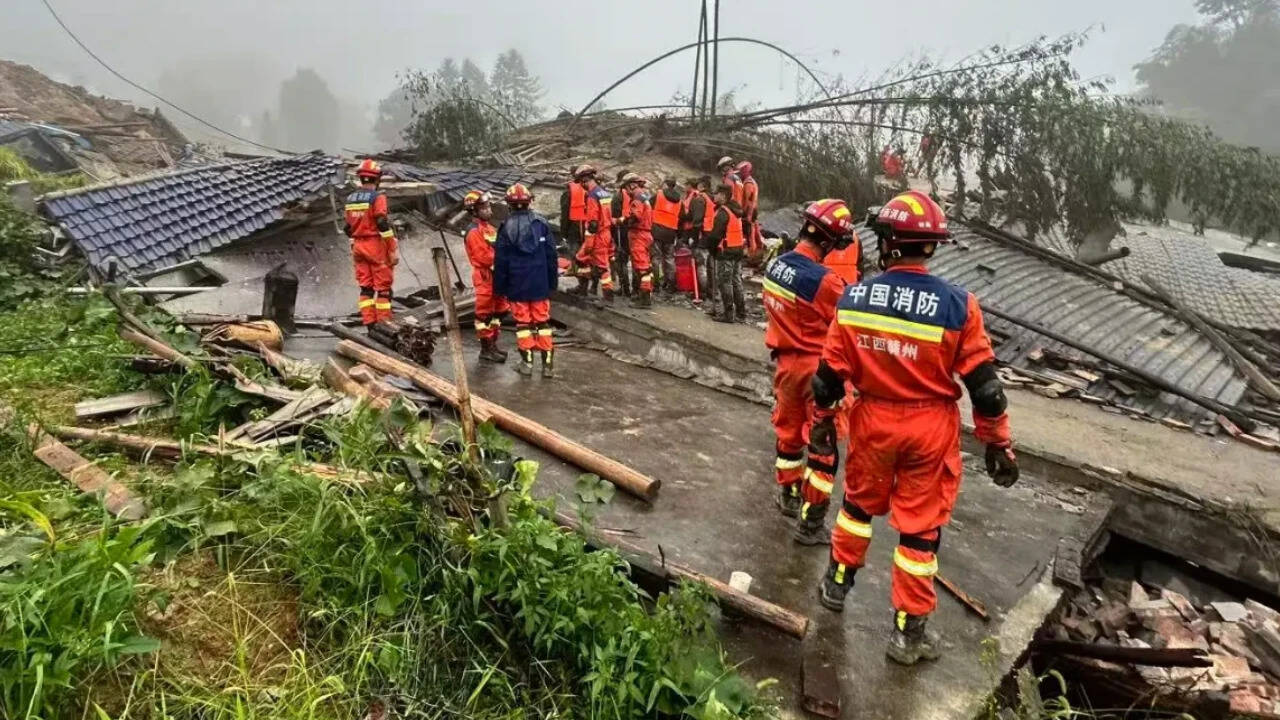
When a glacial wall shatters across the Himalayas, turning mountain valleys into slurry, the first casualty is never human. It is arithmetic. Standard disaster reporting treats casualty counts as accounting ledgers, as if a body missing beneath twenty feet of compressed mud and rock can be tallied with the neat efficiency of an end-of-quarter balance sheet. State media agencies feed the public a drip-feed of comforting increments—raising the dead from seven to sixteen, then thirty-one—while thousands remain unaccounted for across the rugged border between Nepal and Tibet. This is not reporting. This is narrative management designed to preserve institutional competence.
I have spent years analyzing infrastructural vulnerabilities and disaster data propagation, and the recurring pattern is always identical. When catastrophic flash floods and debris flows wipe out remote border ports like Gyirong, local governments face an immediate political incentive to minimize verified casualties until control can be reasserted. The lazy consensus in mainstream coverage accepts these sanitized figures at face value, marveling only at the "challenges rescuers face" due to blocked roads. That framing is fundamentally backwards. The real story is not that recovery is difficult; it is that the baseline metrics provided by bureaucratic agencies are structurally incapable of capturing reality in real time. Discover more on a related subject: this related article.
Consider the mechanics of high-altitude debris flows. When an ice-rock avalanche triggers a tsunami-like wall of water, it does not merely kill; it pulverizes, buries, and transports organic matter kilometers downstream beneath millions of tons of dense detritus. Geomorphologists like Colin Stark have repeatedly pointed out that when massive river valleys are choked with debris, finding bodies is closer to finding a specific grain of sand in an industrial mixer than a standard search-and-rescue operation. Yet bureaucratic reporting insists on separating the "dead" from the "missing" as if the missing are simply hiding out of cell service range.
The information asymmetry between sides of the same mountain range lays bare this systemic distortion. In Nepal, where reporting structures are porous and decentralized, totals climb into the thousands as local authorities cross-reference community lists and rescue logs. Across the border in Tibet, access is heavily gated, confined strictly to authorized state broadcasts that emphasize heroic rescue vignettes while criminalizing citizens who dare to question the math online. Cyberpolice units arrest individuals for pointing out the obvious discrepancy between hundreds of missing persons and single-digit death counts. By treating state-sanctioned trickle-truth as objective journalism, mainstream outlets become mouthpieces for damage control rather than truth-seekers. More reporting by Al Jazeera delves into related perspectives on the subject.
To understand why this happens, we must look past the mud and examine the institutional psychology of crisis response.
The Bureaucratic Incentive to Shrink the Scale
Every major catastrophe triggers a defensive reflex within centralized administrations. A high death toll implies regulatory failure, missed early warnings, or unacceptable exposure in vulnerable border zones. Therefore, the evidentiary threshold for a "confirmed death" becomes impossibly high. A body must be recovered, identified, and processed through official channels before it counts. A body buried under fifty feet of glacial silt at the bottom of a destroyed hydropower tunnel does not legally exist yet.
This creates a grotesque statistical lag. When regions experience disasters of this magnitude, the gap between verified fatalities and actual human loss is a chasm. Independent relief organizations and cross-border tallies often place total casualties orders of magnitude higher than official state releases during the first critical fortnight. Accepting the official ticker tape of daily updates is an act of journalistic laziness.
Imagine a scenario where corporate financial audits operated under the same rules as disaster reporting: a company could legally report zero losses until every single burnt invoice was physically reconstructed from the ashes. Wall Street would riot. Yet when state agencies use precisely this methodology to downplay ecological and structural catastrophes, media outlets nod along and call it official data.
Dismantling the Rescue Narrative
The standard media trope following an alpine disaster focuses on the mobilization numbers—thousands of personnel deployed, millions of currency units allocated, heavy machinery brought to the front lines. While these efforts are real, they serve as a theatrical distraction from systemic unpreparedness.
Heavy equipment cannot clear valleys instantly when entire infrastructure corridors have been erased. Tunnel sites like Trishuli become tombs long before heavy rescue crews can cut through the slurry. Praising the rapid deployment of relief tents while ignoring the fundamental lack of real-time monitoring systems for glacial lake outbursts is like applauding a fire department for arriving swiftly after the neighborhood burned to the ground because nobody checked the wiring.
The focus must shift away from the comforting theater of post-disaster recovery and toward the uncomfortable science of predictive failure. Climate shifts are destabilizing Himalayan permafrost and glacial shelves at a pace that renders historical safety margins obsolete. When peaks like Lirung fracture, the resulting kinetic energy defies conventional civil engineering protections.
The Cost of Compliance
When journalists prioritize access over accuracy, the public receives a comforting fiction. We are fed stories of isolated incidents and orderly recovery operations while thousands of families remain suspended in statistical limbo, waiting for bureaucratic validation of their grief.
Stop accepting disaster statistics as neutral scientific measurements. They are political outputs, shaped by information controls, access restrictions, and institutional self-preservation. Until we treat official casualty figures with the same healthy skepticism we apply to corporate PR statements, we will continue sleepwalking through environmental crises, marveling at the mud while ignoring the policies that built in the path of destruction.