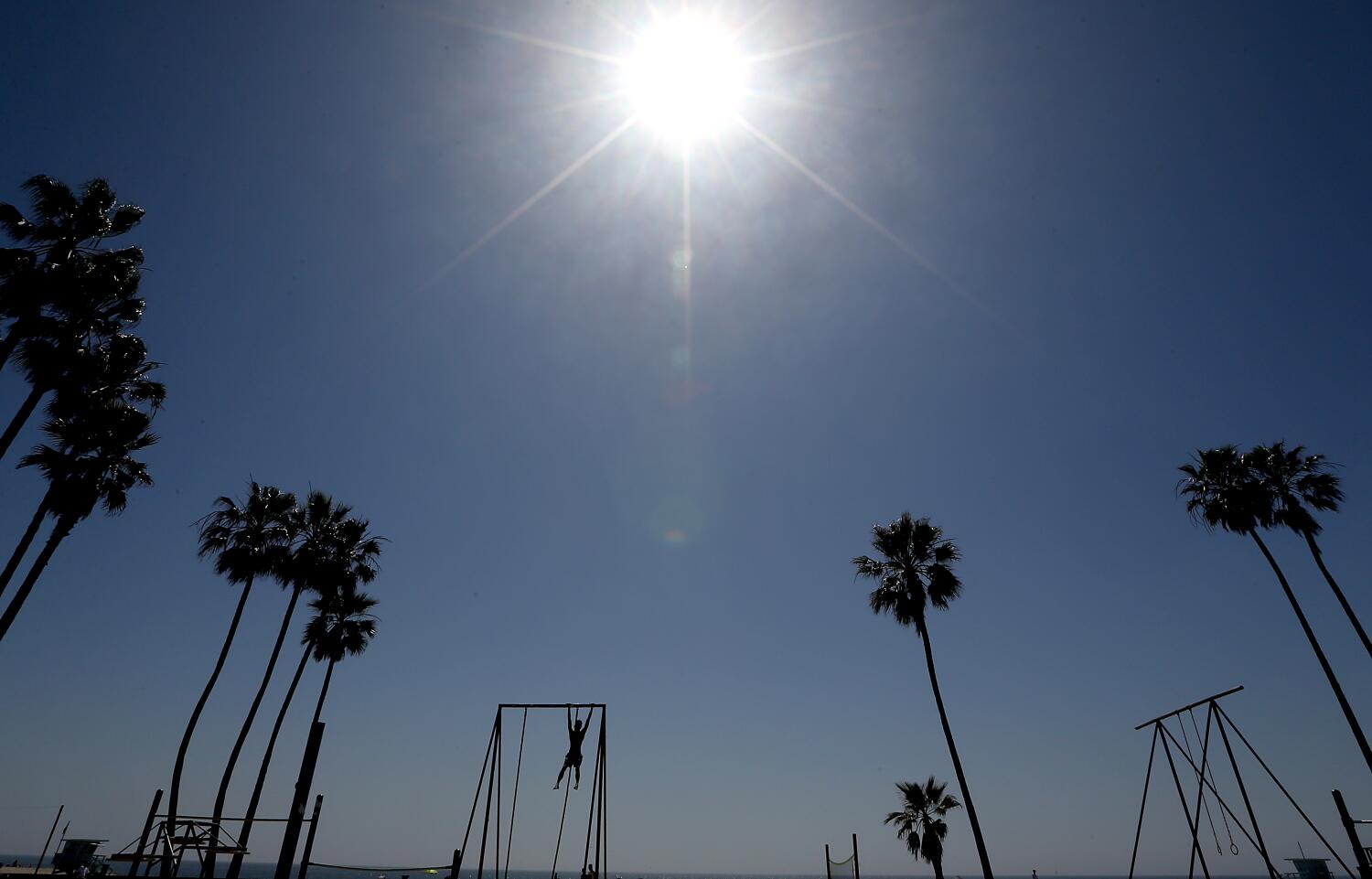
Every single summer, the mainstream media rolls out the exact same panic-porn playbook. The thermometer creeps past ninety-five degrees, and the headlines scream about a public health catastrophe. You are told to lock yourself indoors, crank the air conditioning to meat-locker temperatures, and treat the sun like an existential threat. It is lazy, paternalistic nonsense that ignores basic human biology.
Let us dismantle the prevailing narrative right now. The standard advice assumes the human body is a fragile sugar cube that dissolves the moment ambient temperatures rise above human body comfort levels. That is false. For thousands of years, humans thrived in searing climates without Freon or digital thermostats. Today, we have engineered an indoor habitat so thermally sterile that our natural physiological cooling mechanisms have atrophied. Recently making waves lately: Why Judicial Approvals Cannot Fix Broken Medicine.
When you seal yourself in a sixty-eight-degree cave every time a heat wave hits, you are not protecting your health. You are sabotaging your metabolic flexibility. You are teaching your cardiovascular system to panic at the first sign of warmth.
Let us look at what actually happens inside your physiology when the mercury climbs, why the standard medical warnings miss the mark entirely, and how you can break free from climate fragility. Further details into this topic are detailed by Mayo Clinic.
The Myth of the Thermal Bubble
The conventional warning issued during every heat wave focuses on a simplistic equation: high heat plus outdoor activity equals imminent danger. Public health bulletins treat every degree above ninety as a five-alarm fire. They tell you to avoid exertion entirely, drink gallons of plain water until your electrolytes wash out, and retreat to air-conditioned bunkers.
This approach treats the symptom while destroying the cure.
Human beings are tropical primates. Our evolutionary blueprint was forged in the sun-drenched savannahs of East Africa, not in climate-controlled suburban office parks. We possess the most sophisticated thermoregulatory apparatus on the planet: millions of sweat glands and a vascular system capable of shifting blood flow dynamically to the skin to dissipate heat.
When you refuse to expose your body to thermal stress, you lose that capacity. Acclimatization is a real, measurable physiological process. Sweat rates increase, sweat composition changes to conserve sodium, plasma volume expands to support increased cardiac output, and core temperature thresholds for sweating drop.
If you spend all summer hiding in an air-conditioned icebox, you miss out on this adaptation entirely. Then, when you are inevitably forced outside for twenty minutes on a scorching afternoon, your body goes into absolute shock. You experience heat exhaustion not because the weather is lethal, but because your physiology has been infantilized by modern architecture.
The Hydration Trap
Let us address the other sacred cow of hot-weather survival guides: the relentless drumbeat to chug water constantly.
Every June, wellness blogs and morning talk shows push the same tired mantra. Drink eight glasses, drink when you are not thirsty, carry a half-gallon jug everywhere you go like a security blanket.
This advice is dangerous.
Forcing excessive amounts of plain water into your system while sweating heavily invites a terrifying condition called hyponatremia, or water intoxication. When you sweat, you lose both water and vital electrolytes, primarily sodium. If you replace only the water, you dilute the sodium concentration in your blood to dangerously low levels. The result? Cellular swelling, neurological confusion, seizures, and in severe cases, death.
I have watched wellness enthusiasts hyper-hydrate their way into emergency rooms during mild heat waves simply because they followed blanket advice written by people who do not understand renal physiology.
Thirst is an evolved, highly sensitive mechanism. Drink when you are thirsty. More importantly, prioritize electrolytes over plain volume. Real hydration is about solute balance, not stomach sloshing. If the salt is not there to hold the water inside your vascular space, you will just pee it out while feeling dehydrated and fatigued.
The Cost of Thermal Comfort
We have built a society addicted to thermal neutrality. We expect every indoor space to sit precisely at seventy-two degrees year-round. This constant climate pampering comes with a staggering biological tax.
Consider the metabolic cost. Brown adipose tissue, or brown fat, is specialized for thermogenesis—generating heat by burning calories. When we live in constant mild cold or heat stress, brown fat activation helps regulate energy expenditure. When we seal ourselves in climate-controlled cocoons, brown fat goes dormant.
Furthermore, cardiovascular conditioning requires thermal challenge. Pumping blood to the cutaneous capillary beds to offload heat places a healthy, adaptive load on the heart. It is a form of passive cardio. By eliminating that load, we contribute to the cardiovascular deconditioning epidemic.
I am not suggesting you sprint a marathon at noon in Death Valley. That is pure stupidity. What I am arguing against is the total elimination of natural environmental stressors from daily life. We have traded acute, manageable thermal adaptation for chronic, systemic metabolic decay.
How to Actually Handle the Heat
If you want to survive and thrive during extreme heat events without turning into a fragile indoor hermit, you need a strategy rooted in evolutionary biology rather than panic.
1. Progressive Desensitization
Stop avoiding the outdoors cold turkey. If a heat wave hits, do not go from an air-conditioned bedroom to a grueling midday workout. Step outside during the cooler morning hours. Let your skin feel the warmth for twenty minutes. Gradually increase your exposure over a week or two. Let your sweat glands wake up.
2. Salt Your Water
Forget the pristine, mineral-free bottled water during hot weather. If you are sweating, you need sodium, potassium, and magnesium. Add a pinch of unrefined sea salt to your water bottle. Your cells will thank you, and you will avoid the lethargy that comes from electrolyte washout.
3. Ditch the Ice-Cold Showers
It feels counterintuitive, but taking ice-cold showers during a heat wave is counterproductive. When freezing water hits your skin, your peripheral blood vessels constrict rapidly to trap core heat. Your body senses the freeze and immediately triggers internal heating mechanisms to compensate. Take lukewarm or cool showers instead. They allow your peripheral vessels to stay open, facilitating real heat dissipation from your core.
4. Train Your Fan Strategy
Air movement matters more than artificial cooling. A high-velocity fan combined with a damp skin surface mimics natural convective cooling effectively. If indoor temperatures soar, use airflow to your advantage before dropping your thermostat to extreme lows that ruin your natural acclimatization progress.
The next time a weather report warns you to stay inside and cower behind closed blinds, evaluate your actual physical condition. If you are metabolically healthy, well-nourished, and properly acclimatized, the sun is not your enemy.
Stop running from the climate. Start adapting to it.