The diplomatic circuit loves a single narrative. Right now, the comfortable, lazy consensus in international relations circles sounds like a broken record: any diplomatic oxygen spent on maritime choke points like the Strait of Hormuz is a callous distraction from the humanitarian tragedy unfolding in Gaza. India’s recent statements at the United Nations Security Council tried to thread this needle, arguing that the world cannot afford to let shipping lanes eclipse the human cost in the Levant.
It sounds noble. It plays well on evening news broadcasts. It is also completely backwards.
Treating global supply chain security and regional human suffering as competing priorities is a category error of historic proportions. If the Strait of Hormuz shuts down, energy markets hemorrhage, inflation spikes globally, and the weakest economies—including those across the Middle East, South Asia, and Africa—collapse under the weight of soaring fuel and food import costs. You cannot feed people, fund relief efforts, or broker lasting peace when the global economic engine seizes up.
Let us dismantle the false choice dominating international diplomacy today.
The Geography of Leverage
Diplomats sitting in New York or Geneva operate in a vacuum where words matter more than metrics. They look at a crisis and feel compelled to rank human suffering on a moral ledger. But statecraft is not a TED Talk. It is a ruthless exercise in leverage and systemic stability.
When India argues at the UN that focus must remain squarely on Gaza, New Delhi is playing to a domestic and regional gallery. It wants to project solidarity with the Global South and signal moral clarity. But let us look at the raw exposure. India imports over eighty percent of its crude oil, a massive chunk of which transit routes carry directly through the Persian Gulf and the Strait of Hormuz.
Imagine a scenario where regional escalation triggers a sustained closure of that eighteen-mile-wide channel. Brent crude breaches two hundred dollars a barrel within forty-eight hours. Fertilizer prices triple. Power grids in emerging markets fail. Within weeks, the resulting economic shockwaves dwarf any localized aid distribution capacity.
The security of the Strait of Hormuz is not a distraction from humanitarian crises; it is the absolute prerequisite for preventing them from multiplying tenfold.
The Fallacy of Moral Sequencing
The core misconception plaguing modern multilateralism is the belief that diplomatic capital is a zero-sum currency. The assumption goes like this: every minute spent discussing maritime security, freedom of navigation, or naval deterrence is a minute stolen from ceasefire negotiations.
This is a childish view of power politics. Major powers do not pause one crisis to address another. They walk and chew gum, or they fail entirely.
Consider the logistical reality of modern aid delivery into conflict zones. It requires fuel, transport networks, stable currency reserves, and functioning international shipping lanes to move medical supplies and food staples. When maritime security deteriorates in the Persian Gulf and the Red Sea simultaneously, insurance rates for cargo vessels skyrocket globally. Shipping companies refuse to sail. Supply chains fracture.
When you ignore the maritime choke points under the banner of moral purity, you directly sabotage the very logistical networks required to deliver humanitarian relief anywhere on earth. The moralists who demand tunnel vision on Gaza while dismissing maritime security are advocating for a policy that guarantees deeper, wider misery.
What the P5 Gets Wrong
The permanent members of the UN Security Council are paralyzed by their own performative rhetoric. They treat the podium like a theater for scoring points rather than an instrument for crisis management.
When representatives stand up to declare that attention must not drift from one theater, they are usually trying to mask their own strategic impotence in another. Pointing at Gaza allows regional actors and global rivals to ignore the systemic vulnerabilities building up in maritime trade corridors. It is an evasion strategy disguised as compassion.
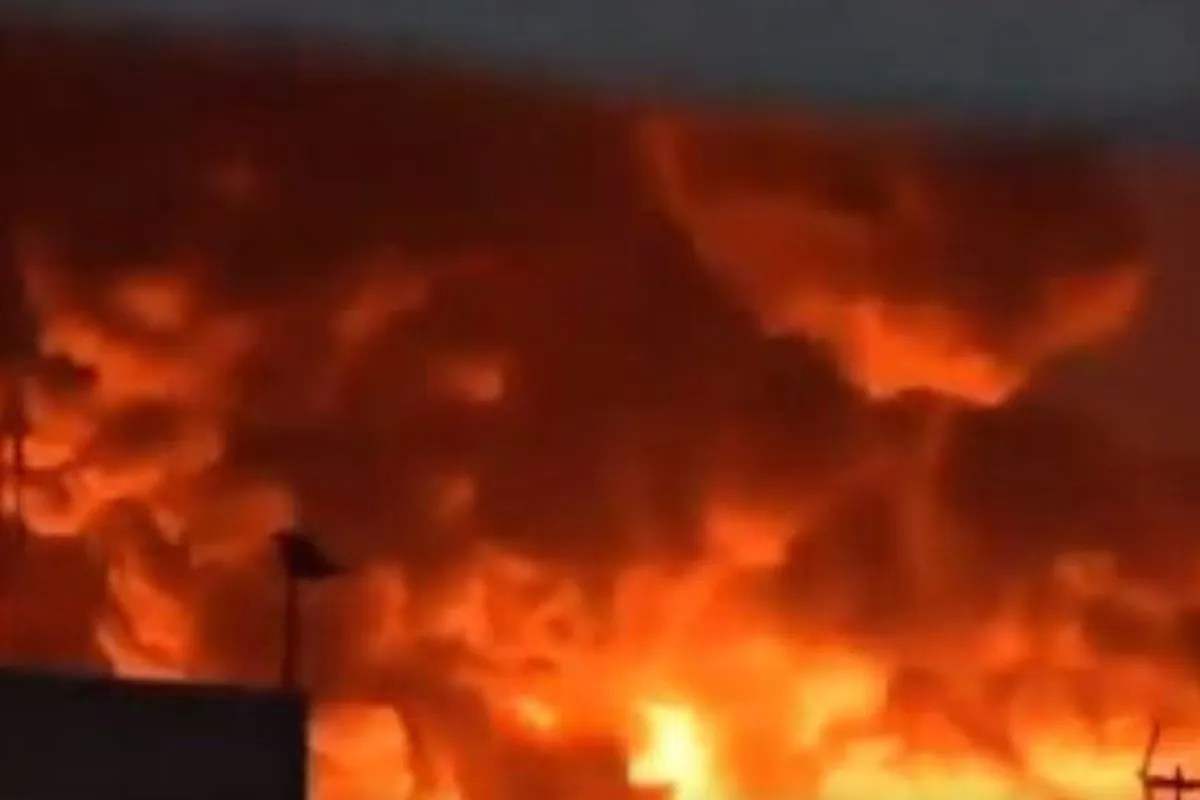
Let us be precise about the terminology. Strategic triage is not callousness; it is acknowledging reality. If a house is on fire, you put out the kitchen blaze, but you also shut off the main gas valve to stop the whole block from leveling. Gaza is the kitchen fire. Energy corridors and maritime choke points are the gas main. Standing in the living room shouting about the flames while refusing to touch the valve is not heroism. It is suicide.
The Cost of Strategic Narcissism
We have seen this movie before. Whenever a massive geopolitical shock hits, policymakers freeze, paralyzed by the fear of being seen as insufficiently empathetic to the immediate crisis of the day. They abandon long-term risk assessment in favor of short-term emotional appeasement.
I have watched corporate boards and government agencies make this exact mistake during supply chain crunches, sacrificing foundational risk mitigation because a louder, more immediate fire demanded their attention. The result is always the same: catastrophic failure on both fronts.
If international bodies cannot walk the line between addressing acute human suffering and securing the structural foundations of the global economy, those bodies become obsolete.
Stop pretending that focus is a finite resource that must be hoarded for only one tragedy at a time. The world is an interconnected web, not a series of isolated moral episodes. Ignore the chokepoints, and you will soon find you have nothing left to give the people you claim to protect.