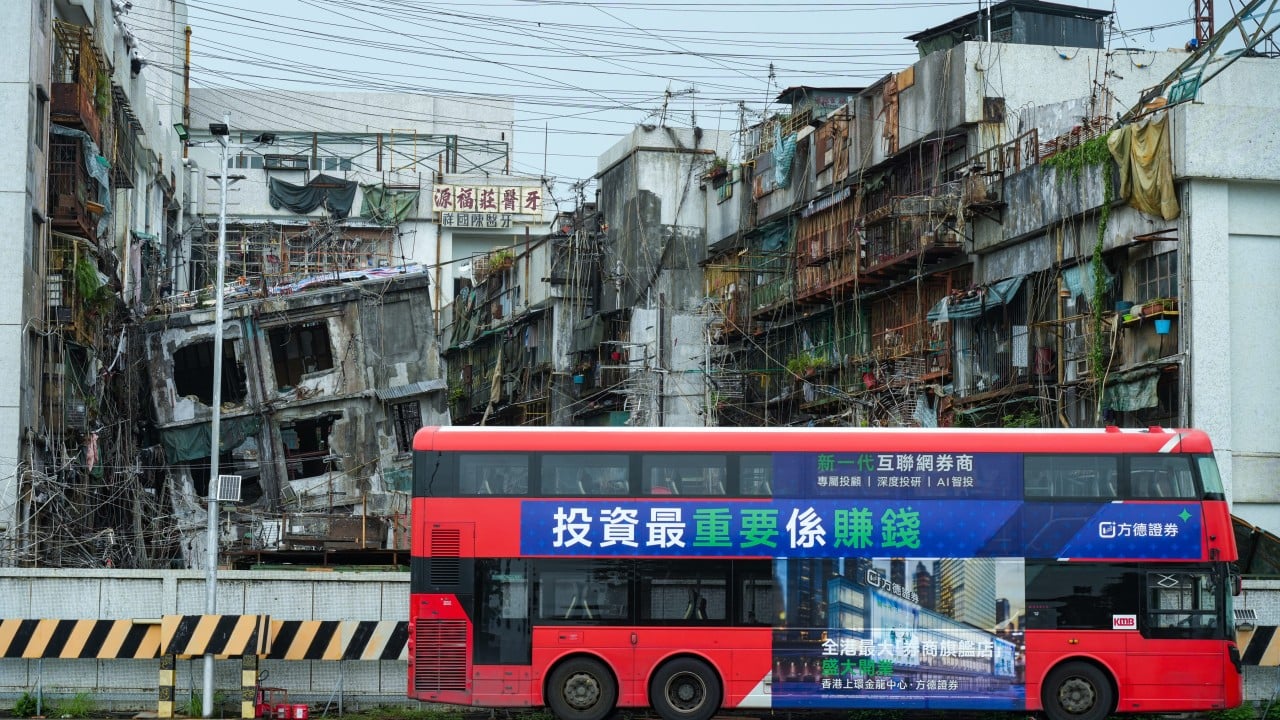
Hollywood loves a corpse if it wears the right makeup. The internet is currently losing its collective mind over a film sequel set rebuilding the claustrophobic concrete labyrinth of Kowloon Walled City, complete with weeping former residents clutching plastic bags of memories and tourists paying money to snap selfies in a reconstructed opium den.
The lazy consensus is simple: we are celebrating the preservation of community spirit, human resilience, and gritty urban charm against the sterile march of modern development.
It is absolute garbage.
I have spent decades watching urban spaces get romanticized by the exact people who would call the police if a stray dog pissed on their welcome mat. The romantic whitewashing of the Walled City as a chaotic utopia of warmth and neighborly affection ignores the raw, unvarnished misery of a jurisdiction-free wasteland governed by heroin syndicates, tuberculosis, and structural engineering nightmares. We are taking a horrific humanitarian failure and turning it into a theme park ride because the real world feels too boring and predictable.
The Myth Of Organic Community
Let us strip away the neon glow and the martial arts choreography. The narrative peddled by entertainment outlets is that Kowloon Walled City was a vibrant ecosystem of mutual aid where doors stayed unlocked and grandmothers shared soup across narrow alleys.
This is what happens when you let screenwriters write history books.
The Walled City was a black hole of municipal neglect. It existed in a legal vacuum because the British and Chinese governments spent decades playing hot potato with a piece of land neither wanted to police. Water mains broke and stayed broken. Raw sewage ran down concrete stairwells. Triad gangs ran illegal gambling dens, unlicensed dental clinics staffed by quacks, and heroin distribution hubs out of apartments with zero ventilation.
When you build a film set that treats this nightmare as a cozy aesthetic, you are not honoring the residents. You are mocking their survival. I have spoken with people who actually endured the damp, lightless suffocation of those apartments, and their memories are not scored by a soaring orchestral track. They remember the smell of rot, the constant dread of structural collapse, and the desperate desire to find a way out.
Yet here we are, clapping for a movie set that turns human suffering into a trendy Instagram backdrop.
The Gentrification Of Trauma
There is a dark irony that escapes the cultural commentators applauding this nostalgic revival. The exact crowd mourning the demolition of the Walled City are the same urban elites who demand strict zoning laws, micro-regulation, and luxury wellness apartments everywhere else.
Imagine a scenario where we actually forced these nostalgic influencers to live in a replica of the Walled City for a single month without modern plumbing, reliable electricity, or fire exits. They would abandon the aesthetic within twelve hours.
What we are witnessing is the gentrification of trauma. Suffering is only poetic when it happens safely behind a movie screen or inside a controlled tourist exhibit. Real slums are bulldozed because they are death traps. Fake slums are built on soundstages because they generate box office revenue and give affluent moviegoers a cheap thrill of danger from the comfort of an upholstered theater seat.
We love the aesthetic of grit until we have to smell it.
Why The Sequel Trap Destroys History
The entertainment industry cannot leave a corpse alone. Having struck gold with an action blockbuster that traded heavily on stylized martial arts inside the old fortress, studios are rushing to expand the intellectual property. They are doubling down on the mythos, creating lore out of a place where real human beings suffocated under the weight of political abandonment.
Every time you turn a historical tragedy into a cinematic franchise, you sanitize the violence of the original context. The triads become charismatic antiheroes. The rampant disease becomes a moody atmospheric choice. The total absence of state protection becomes an edgy playground for high-flying stunt choreography.
This is not preservation. It is exploitation wrapped in a warm blanket of nostalgia.
The Uncomfortable Truth About Urban Planning
People love to point to the Walled City as an example of organic, bottom-up urbanism that beat the bureaucratic planners at their own game. This is a favorite talking point of architectural theorists who sit in air-conditioned universities theorizing about chaos while enjoying central heating and stable plumbing.
Organic urbanism is wonderful until ceilings cave in because the foundation was built on sand without steel reinforcements. The Walled City did not thrive because it was free of government oversight; it survived despite it, through sheer human stubbornness and the willingness of desperate people to accept sub-human living conditions because they had zero alternatives.
When we celebrate that environment as a triumph of community spirit, we are implicitly arguing that poor people should be grateful for squalor as long as they have a neighbor to talk to through a shared window. It is a cynical, anti-human worldview disguised as populist appreciation.
Stop pretending a humanitarian crisis was an urban planning masterclass.
The Final Cut
The set pieces will come down. The tourists will move on to the next viral pop-up exhibition. The film will gross its hundreds of millions, and studio executives will toast their own brilliance at packaging misery for mass consumption.
Meanwhile, the actual history of Kowloon Walled City remains buried under layers of cinematic myth-making. We didn't learn anything from how those people lived; we just figured out how to monetize their scars.
If you want to honor the people who survived that concrete labyrinth, stop romanticizing their prison. Acknowledge it for what it truly was: a monument to governmental failure and human endurance that never should have had to exist in the first place.
Tear down the set. Turn off the neon. Let the dead rest.