Politics makes strange bedfellows, sure. Rarely does it make them this fast.
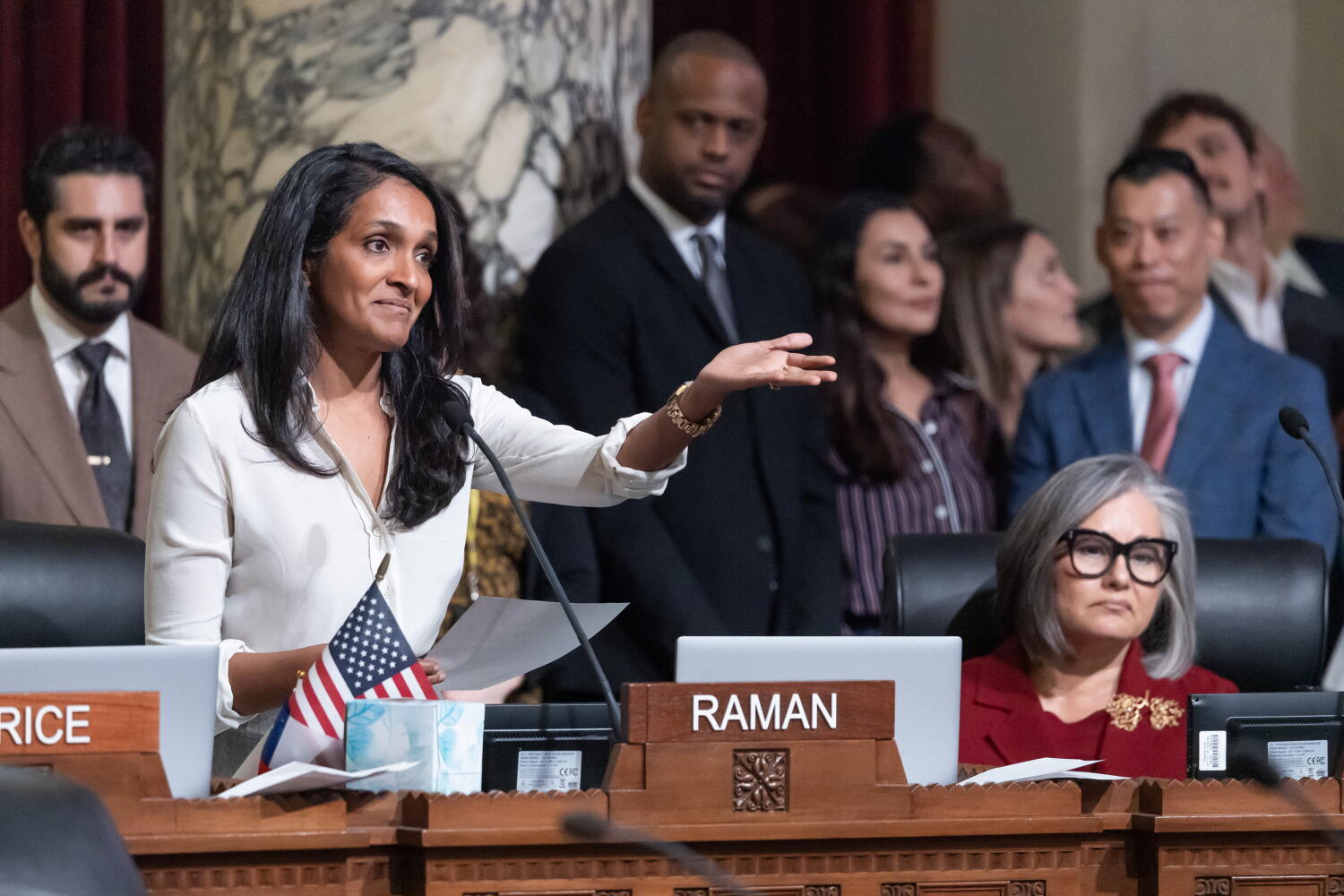
Just weeks ago, Los Angeles City Councilmember Nithya Raman stood practically alone among her peers as she launched a bid for mayor. Every single one of her fellow councilmembers either stayed silent or actively opposed her campaign. Now, several of those exact same colleagues are lining up to pledge their "full support."
What changed? Everything and nothing.
If you've followed LA City Hall over the last few years, you know Raman has been the ultimate outsider on the inside. Since winning her District 4 seat in 2020, she's consistently clashed with the council's old guard over homelessness policy, policing budgets, and tenant protections. When she announced her mayoral run, the collective groan from the council chambers was almost audible. Her colleagues didn't just disagree with her platform—they viewed her candidacy as a direct threat to the established power structure at City Hall.
Yet here we are. The political calculus in Los Angeles shifts with the wind, and right now, the wind is blowing in a direction that has forced some very reluctant councilmembers to rethink their public stances.
The Anatomy of an About-Face
Let's be clear about what "full support" actually means in municipal politics. It doesn't mean everyone suddenly had a change of heart over coffee and decided Raman's housing policies were brilliant all along.
In local government, endorsements are currency. They're transactional, strategic, and almost always tied to survival. When a candidate starts gaining real traction—or when the alternative looks worse for a councilmember's own district—past ideological battles get swept under the rug real quick.
For months, the conventional wisdom inside the building was that Raman couldn't build a broad enough coalition to win citywide. Her base was seen as too progressive, too concentrated in neighborhoods like Silver Lake, Los Feliz, and parts of the San Fernando Valley. Colleagues felt safe keeping their distance. Some openly backed rival candidates, betting that the traditional moderate-to-conservative voter bloc in LA would hold the line.
That bet is looking shakier by the day.
As voter frustration over housing affordability and city management continues to boil over, Raman's message has started resonating well beyond her original progressive stronghold. Polling numbers and grassroots fundraising totals have forced other councilmembers to confront an uncomfortable reality. She might actually pull this off. And in City Hall, nobody wants to be caught on the wrong side of the next mayor when budget season rolls around.
Why Her Colleagues Opposed Her in the First Place
To understand why these new endorsements are raising eyebrows, you have to look at how isolated Raman was during her early years on the council.
When she first took office, she upended the unwritten rules of LA City Hall. Traditionally, councilmembers operate like mini-mayors in their own districts, deferring to one another on local land-use decisions and budget allocations. You don't mess with my district, I won't mess with yours. It's a system built on mutual back-scratching and zero public friction.
Raman didn't play that game. She pushed for citywide tenant protections that made landlord groups furious. She questioned police spending when most of her colleagues were terrified of looking soft on crime. She repeatedly voted "no" on measures that passed 14-1, forcing awkward public debates on issues the rest of the council wanted to pass quietly on the consent calendar.
Her peers didn't just dislike her votes. They resented the spotlight she brought to the council's internal dysfunction. To many of them, she wasn't a team player. When she entered the mayor's race, their opposition felt personal as much as political. Backing her meant validating a style of governance they had spent years trying to contain.
The Shifting Ground in Los Angeles Politics
So what broke the dam? Three things happened almost simultaneously.
First, the broader political landscape in Los Angeles has changed dramatically since the 2022 elections. The leaked audio scandal that rocked the council a few years back shattered public trust in the old political machine. Voters are exhausted by insider politics, and candidates tied too closely to the traditional establishment are struggling to generate enthusiasm. Raman's outsider status, once seen as her biggest liability, has turned into her strongest asset.
Second, grassroot organizing actually works when it's sustained. Raman didn't just rely on splashy headlines; her team built a massive door-knocking and small-dollar fundraising operation. Other councilmembers see those numbers. They know that having her campaign's field operation active in their districts can either help them or hurt them in their own upcoming re-election bids.
Third, there's the simple fear of irrelevance. If Raman wins the mayor's office without the backing of her council colleagues, she owes them nothing. By jumping on board now—even belatedly—councilmembers buy themselves a seat at the table. They get to claim they were part of the winning coalition, securing leverage for their own district priorities once a new administration takes over.
What "Full Support" Really Buys You
Don't mistake a press release for a blood oath. In LA politics, an endorsement often comes with plenty of fine print.
When a councilmember who previously opposed Raman steps up to offer their support, they're usually doing a careful dance. They want to appease the progressive voters in their own districts without alienating their moderate donors. You'll notice that many of these new statements focus heavily on shared goals—like fixing the city's budget deficit or streamlining housing construction—while quietly sidestepping the sharper ideological divides that separated them six months ago.
Still, the practical impact on the race is huge. Endorsements from sitting councilmembers bring institutional weight. They unlock access to local labor unions, neighborhood associations, and donor networks that might otherwise sit on the sidelines. Even if the enthusiasm behind closed doors is lukewarm, the public optics of a unifying coalition are powerful. It signals to undecided voters that Raman isn't just a protest candidate—she's a viable executive who can actually govern the city.
The Risk for Raman
There's a catch here, and it's a big one.
Raman built her entire political brand on challenging the status quo at City Hall. Her most loyal supporters love her precisely because she stood up to the entrenched interests and political insiders who run Los Angeles. Every time she accepts the backing of a colleague who represents that exact establishment, she risks blurring the contrast that makes her candidacy compelling.
Voters aren't naive. They remember who stood against her when her campaign launched. If her coalition starts looking too much like the same old City Hall crowd just wearing a different button, some of her grassroots energy could evaporate.
She has to walk a tightrope. She needs the institutional support and votes that her colleagues can help deliver, especially in parts of the city where she has lower name recognition. At the same time, she can't let those new allies water down her platform or dictate her governing agenda before she even gets to the third floor of City Hall.
What Voters Should Watch Next
If you're trying to figure out whether these endorsements are genuine alliances or pure political theater, stop listening to the speeches and start watching the actions.
Pay attention to who actually shows up to knock doors, host fundraisers, and put their own political capital on the line. Putting your name on a joint statement costs nothing. Spending your own campaign funds to mail flyers for another candidate shows real commitment.
Watch the council votes over the next few months, too. When controversial housing or budget bills hit the floor, do these newly supportive colleagues actually vote alongside Raman, or do they revert to their old habits the moment the cameras turn off? The legislative record at City Hall doesn't lie, and it will tell you everything you need to know about whether this newfound unity is built to last or just meant to survive until election day.