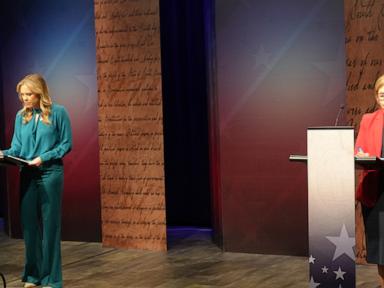
The air inside the auditorium did not smell like democracy. It smelled like hairspray, hot television lights, and the metallic tang of pure, unadulterated adrenaline.
Backstage, a veteran floor manager checked his watch for the third time in ten seconds. Out front, two thousand people sat tightly packed in folding chairs, their chatter rising toward the vaulted ceiling like the hum of a disturbed hive. They had come for a debate. They were about to witness a demolition.
For months, the campaign trail had been a slow-burn exercise in geography. Candidates crisscrossed the Palmetto State, shaking hands at diners in Spartanburg, eating barbecue drenched in vinegar-based sauce in Columbia, and reciting the familiar liturgy of stump speeches. But geography is merely the canvas. Politics is painted in blood, sweat, and televised humiliations. And tonight, the gallery was packed tight with partisans holding their breath.
Consider what happens when a simmering personal grudge is forced under the white-hot glare of high-definition cameras.
The tension did not begin on the stage. It began weeks earlier in the quiet corridors of local party offices, in leaked memos, and in the sharp, transactional calculus of modern political survival. South Carolina has always been a crucible. Voters here do not suffer fools, nor do they reward timidity. They demand a certain kind of theatre—combative, rooted in tradition, yet acutely sensitive to the shifting winds of national power. When candidates step onto this particular platform, they are not just arguing over policy points or marginal tax rates. They are fighting for the very soul of a fractured movement.
The moderator's voice cut through the auditorium hum like a switchblade.
"Gentlemen, our first question..."
It was a standard policy inquiry, designed to elicit safe, poll-tested answers about economic growth and job creation. For thirty seconds, the response was predictable. Statistics flew like confetti. Gross domestic product growth, inflation adjustments, workforce participation rates. The audience nodded along, lulled into the comforting rhythm of routine political discourse.
Then the pivot came.
It was subtle at first. A slight tilt of the head. A wry smile that didn't quite reach the eyes. One candidate, sensing an opening in the armor of a frontrunner, abandoned the script entirely.
"We can talk about the numbers all night," the challenger said, stepping closer to the microphone, abandoning the prescribed floor marker. "Or we can talk about why the working families sitting out there in South Carolina can't afford the grocery store checkout lane while my opponent spends his time protecting corporate donors."
The silence that followed was absolute.
You could hear the low, mechanical whir of a broadcast camera shifting focus twenty feet away. In the press filing room behind the auditorium, forty reporters stopped typing simultaneously. The click-clack of keyboards ceased, replaced by the collective intake of breath.
This was the moment the night broke open.
Politics, at its core, is an emotional transaction. Voters rarely cast ballots based purely on econometric models or multi-year budget projections. They vote based on how a leader makes them feel about their own struggles, their own fears, and their own aspirations for their children. When a debate stage transforms from a policy symposium into a gladiatorial arena, the mask slips. You see the genuine flash of anger. You see the defensive tightening of a jaw. You see the desperate, calculated search for a comeback line.
The feud that had been bubbling beneath the surface of the campaign for months finally spilled over the footlights and into the living rooms of millions of viewers.
Accusations flew fast and unchecked. Past votes were weaponized. Personal integrity became a cudgel. For three minutes, the moderators lost complete control of the room. The audience erupted—part boos, part wild cheers, creating a wall of sound that rattled the studio monitors.
Standing behind the podiums, the candidates looked smaller than they did on television, yet somehow more consequential. They were flesh and blood, caught in the terrifying feedback loop of their own ambition.
Beneath the theatrical fury lay a harder, colder reality. South Carolina has long served as a crucial gatekeeper in American politics. It is a state where demographic shifts, economic anxieties, and deeply rooted cultural traditions collide. The winner of this primary battleground does not merely secure delegates; they secure momentum, narrative dominance, and the terrifying privilege of defining the national conversation. Every insult hurled on that stage was calibrated to resonate fifty states away. Every defensive flinch was analyzed by algorithms before the sentence had even finished echoing through the hall.
When the red light on the primary camera finally blinked off, signaling a commercial break, the transformation was jarring.
The fierce combatants did not lunge at each other's throats. They stood frozen in the artificial twilight of the stage. A makeup artist rushed forward with a powder puff to dab sweat from a candidate's forehead. An aide whispered hurried polling updates into an earpiece. The mutual hostility evaporated into the chilled studio air, replaced by the mechanical choreography of modern campaigning.
Yet, the damage—or the victory—was already locked into the digital ether.
Clips of the clash were already trending online before the commercial break ended. By midnight, millions had viewed the exact second when the facade cracked and the human ego took the wheel. The morning talk shows would dissect every micro-expression. The fundraising emails would go out within the hour, capitalizing on the outrage.
We tell ourselves that we want elevated discourse, thoughtful white papers, and polite disagreement. We claim to despise the mudslinging. But as the empty seats in the auditorium began to litter with discarded campaign flyers and plastic water bottles, a different truth remained. We watch because we recognize ourselves in the struggle. We watch to see who breaks under pressure, who possesses the unyielding core, and who is simply playing a part.
The stage lights cooled. The crew began packing up the heavy cables. Out in the South Carolina night, the crickets kept up their steady, indifferent rhythm, completely unaware of the political shockwaves that had just passed through the damp air. But the race had changed forever, and there was no going back to the script.


