Darkness does not always descend slowly. Sometimes, it arrives at three in the morning with a screech that splits the air, followed by a concussive shockwave that vibrates straight through the floorboards and into the marrow of your bones.
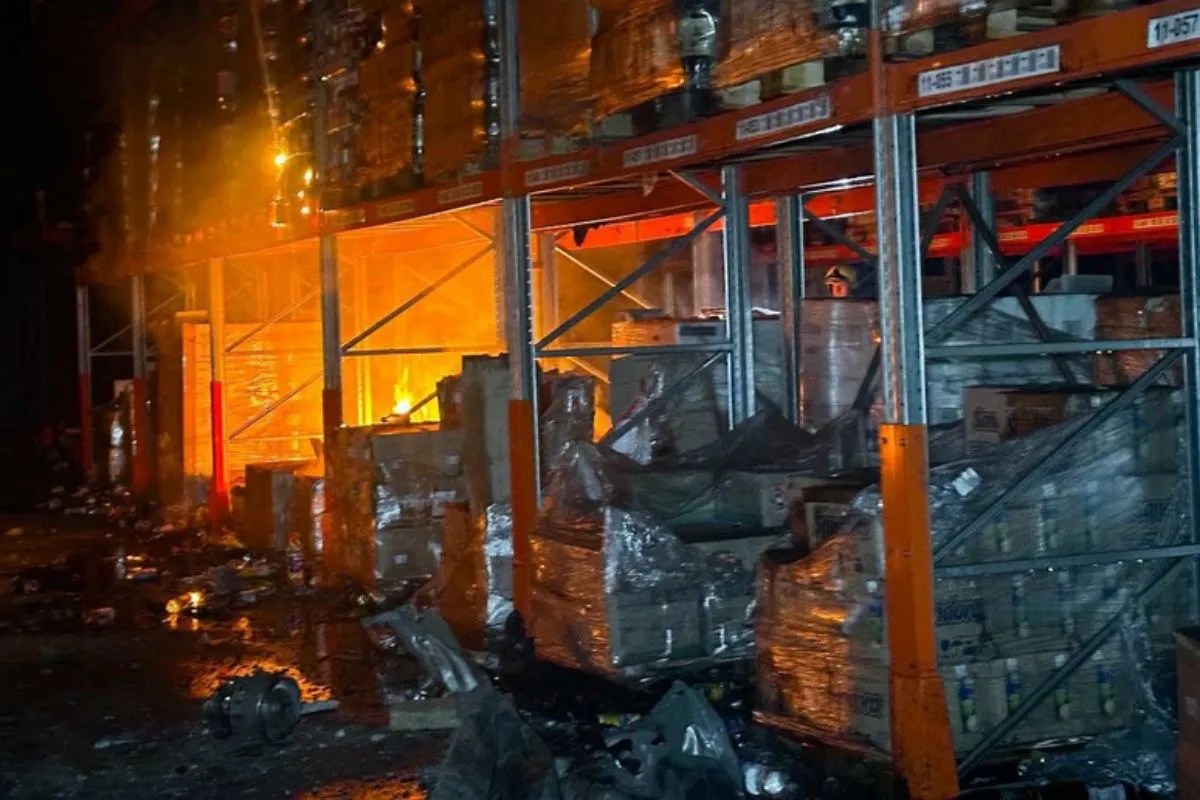
I remember the smell of burnt plastic and pulverized concrete. It is a suffocating odor, sharp and metallic, clinging to the inside of your nostrils long after the sirens fade. In neighborhoods where children were sleeping just moments prior, the night sky turned a violent, unnatural orange. Another barrage. Another round of coordinates translated into fire.
When the dust finally settled over the rubble, the official toll was logged with cold administrative efficiency. Four dead. Five injured.
Numbers. Statistics on a morning briefing sheet.
We read them on our phones while waiting for coffee, scrolling past between updates on weather and sports. We process them as abstract data points, distant ripples in a geopolitical storm. But numbers do not bleed. Statistics do not carry the weight of a mother’s final embrace or the terrifying silence of a bedroom where a crib now sits beneath shattered glass.
Behind every casualty report lies a universe of ordinary routines violently erased. The midnight tea left cooling on a counter. The half-read book on a nightstand. The mundane worries about tomorrow that evaporated in a fraction of a second when a missile found its target in the dark.
War thrives on distance. It relies on the comfortable fiction that what happens behind a distant border stays behind that border. We consume conflict through pixelated screens, turning human tragedy into a spectator sport of mapping arrows and tracking intercept rates. We discuss air defense systems and trajectory vectors as if we are analyzing a weather forecast.
Consider what happens when the abstraction strips away.
Imagine, for a moment, the sound of glass raining down like hailstones. (This is a hypothetical reconstruction based on verified accounts from emergency responders in the field). You roll off the mattress, shielding your child with your own body, whispering frantic promises you secretly fear you cannot keep. The walls groan. The window frame caves inward. In that narrow sliver of time, the grand theater of international politics shrinks to the four panic-filled meters of a hallway floor.
That is where the real weight of these late-night strikes lives. Not in the sterile strategic assessments issued by ministries of defense, but in the frantic scramble of flashlight beams cutting through indoor dust, searching for pulses.
The recent midnight assaults across Ukraine were not isolated anomalies. They are part of a grinding, methodical campaign designed to break something deeper than infrastructure. Concrete can be poured again. Power grids can be rewired. Transformers can be shipped across borders and installed by exhausted crews working through freezing rain.
The harder repair is psychological.
It is the erosion of the basic human expectation of safety inside one's own home. When sleep becomes a calculated risk, when every distant rumble triggers a spike of adrenaline, the nervous system itself becomes a battleground. People learn to sleep with their shoes on. They keep go-bags packed near the door like permanent fixtures of home decor, a tragic normalization of the abnormal.
History teaches us a harsh lesson about human endurance. We adapt to catastrophe with terrifying speed. What shocks us today becomes tomorrow’s background noise, replaced by the next headline, the next escalation, the next set of digits added to a grim ledger.
We cannot afford this numbness.
When we reduce human lives to aggregate tolls of four dead and five injured, we grant permission for the violence to become routine. We sanitize the horror. We let the architects of destruction operate behind a shield of digital fatigue.
The sirens will wail again tonight. Somewhere in the dark, families will hug their pets, grab their documents, and descend into damp concrete bunkers, waiting for the dull thud of impact overhead. They are living through the consequences of a history we are all writing together, whether we choose to look or look away.
The smoke still lingers over the ruins, a bitter reminder that peace is not merely the absence of war, but the presence of justice we have yet to secure.