The floorboards of Mackey Arena do not merely creak; they hum with a low, kinetic anxiety that has survived decades of winter snows and screaming midwestern nights. If you press your palm against the dark grain of that storied wood just hours before tip-off, you can feel the ghost of every missed free throw, every defensive rotation, every championship banner hanging high above in the hazy glare of the overhead lights. It is a living, breathing cathedral of basketball, indifferent to reputations, utterly merciless to the unprepared.
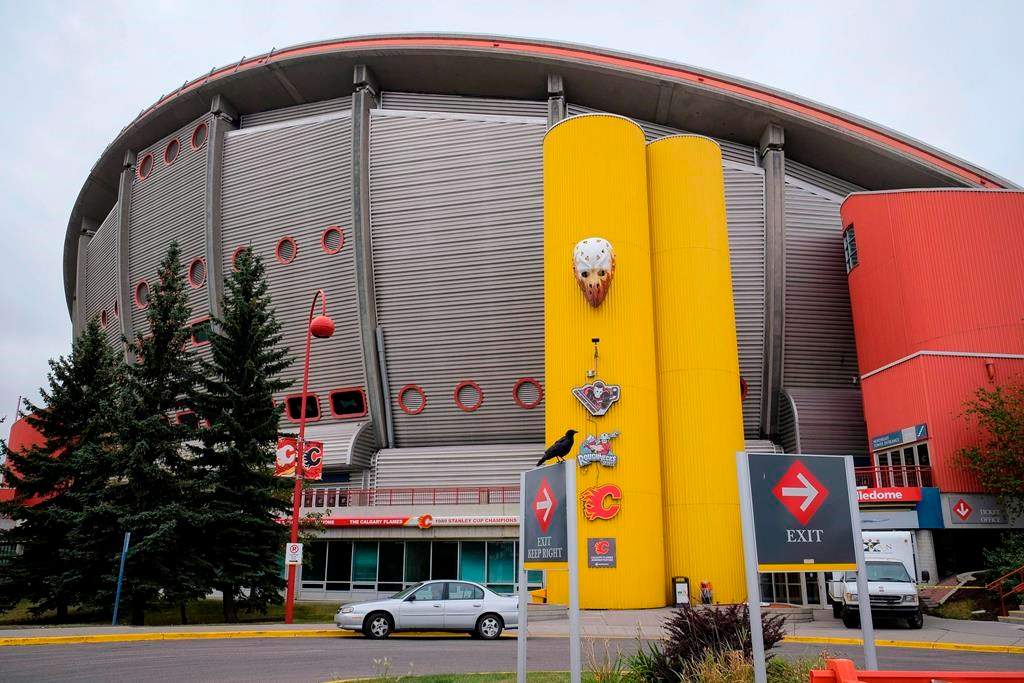
And on this particular night, the floorboards were trembling under something entirely new. Recently making waves in this space: Navigating Calgary Saddledome Traffic and Road Closures During the Final Season.
Wayne Knight stood near the midcourt logo, his warm-up jersey darkened with sweat before the first official whistle had even blown. He didn't look like a conqueror. He looked like a man who had spent the entire summer running sprints in an empty gym while the rest of the world slept, chasing a ghost of his own creation. His shoulders rolled with a heavy, practiced ease. Every movement was economic. Every glance toward the roaring Purdue student section was entirely devoid of fear.
When the Big Ten opener finally tipped, the noise was not a sound. It was a physical weight. It pushed against your chest, filled your ears with white-hot static, and threatened to swallow any visiting team whole. For generations, elite programs had rolled into West Lafayette with high-priced talent and polished systems, only to watch their confidence dissolve under the relentless pressure of the Purdue faithful. More details regarding the matter are detailed by Yahoo Sports.
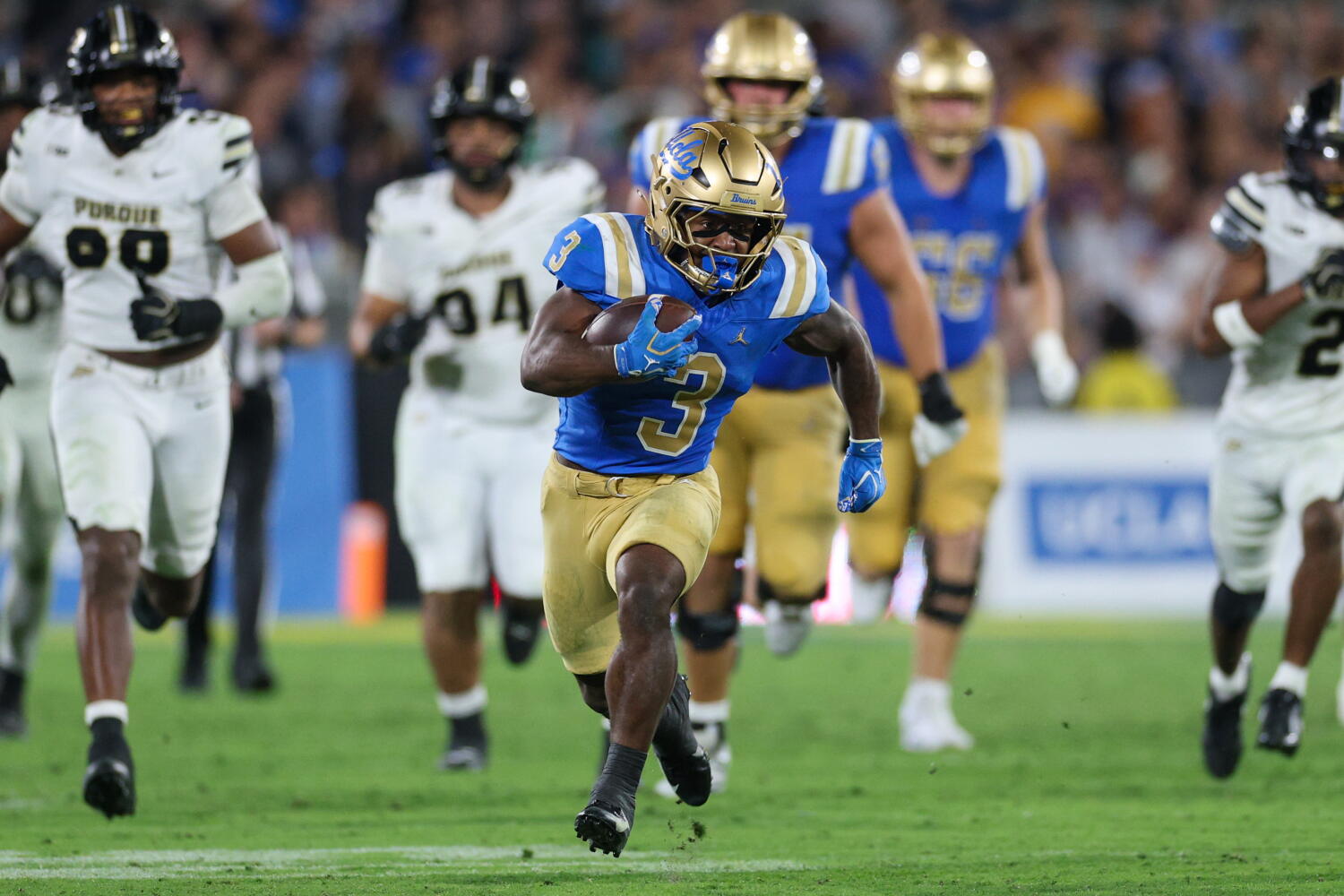
UCLA knew the history. They knew the numbers. They knew the stats that whispered of historic road struggles against top-tier conference opponents.
Yet, from the very first possession, the Bruins played with an eerie, terrifying calm.
Consider what happens when a team stops reacting to the storm and simply becomes the storm.
Knight didn't wait for the offense to find him. He hunted the rhythm. On the game's opening defensive stance, he slid his feet with textbook precision, planting his weight squarely in the chest of a driving Purdue guard, absorbing the contact with a dull thud that echoed through the lower bowl. No whistle. Just a clean, violent stop that sent the ball skittering out of bounds.
That single defensive play set the temperature of the room. It said everything that need to be said about what kind of evening this was going to be.
By halftime, the scoreboard told a story that left the home crowd uncomfortably silent. UCLA wasn't just winning; they were dismantling a machine piece by careful, calculated piece. Every passing lane was clogged with outstretched arms. Every screen was met with a violent, communicative switch. The Bruins moved with the telepathic synchronicity of a jazz quartet that had played the same room a thousand times.
Knight was the conductor, though he played with the quiet fury of a soloist who refused to share the stage.
Basketball, at its highest level, is rarely decided by X’s and O’s once the ball goes live. It is decided in the dark spaces between heartbeats. It is decided when a exhausted forward has to choose between chasing a loose ball into a row of courtside photographers or pulling up short to preserve his energy. Knight chased every single ball. He flew into the scorer’s table with a reckless disregard for his own ligaments, sending laptops scattering and water bottles airborne, his face locked in a fierce, unsmiling mask.
Purdue tried to answer. They always do. You do not survive decades in the upper echelon of the Big Ten without a stubborn, structural pride. In the second half, the Boilermakers clawed back with a furious flurry of inside scoring and high-post passing that briefly threatened to tear open the seams of the UCLA defense. The decibel level inside the arena climbed back to a dangerous, structural roar. The momentum shifted like a physical wave, crashing over the Bruin bench and forcing a frantic timeout.
In the huddle, there was no panic. No screaming from the coaching staff.
Knight pulled his teammates close, his voice cutting through the arena’s ambient noise with the sharp clarity of breaking glass. He didn't offer clichés about hanging tough. He simply reminded them of the cold, hard work they had put in back in Los Angeles when the gym lights were off and no one was watching.
Football and basketball writers love to talk about turning points, as if games pivot on single, cinematic moments. But true momentum shifts are rarely loud. They happen in fractions of a second. A missed rotation here. A heavy-legged closeout there.
Knight seized the moment with a sequence so violently efficient it felt choreographed.
First came the steal—a lightning-fast swipe in the passing lane that caught the Purdue point guard half a second too late. Then came the open-floor sprint, long, galloping strides that ate up the hardwood in four breathless beats. And finally, as the entire Purdue frontline converged at the rim like a falling timberline, Knight didn't force a contested layup. He whipped a blind, behind-the-back bounce pass to a trailing teammate who slammed it home with a violence that made the iron ring out like a church bell.
The air went completely out of the building.
You could hear the squeak of sneakers again. You could hear the frantic shouting of coaches from the sidelines. The illusion of the unbeatable home-court advantage had been punctured, not with flashy theatrics, but with cold, surgical execution.
When the final buzzer mercifully sounded, the scoreboard read like a geological survey of an earthquake. UCLA had not merely beaten Purdue; they had bulldozed their way through the historic fortress of West Lafayette, leaving a trail of shattered expectations in their wake.
Knight walked off the floor alone, his jersey soaked, his chest still heaving with the remnants of battle. He didn't wave to the cameras or pump his fist at the remaining pockets of stunned fans. He simply untied his shoes, tossed his towel over his shoulder, and disappeared into the tunnel, leaving behind a gym that would take months to stop whispering about the night the giants fell.