The sidewalk outside the Cain's Ballroom in Tulsa usually hums with a specific kind of electricity. It is a mixture of damp autumn air, the low-frequency thrum of tour bus engines idling in the alley, and the distinct, rising chatter of people who have spent weeks waiting for a single Tuesday night. Boots scrape against historical concrete. Someone strums an unamplified acoustic guitar three blocks down. Inside, the soundcheck rattles the rafters, a promise of the catharsis waiting just beyond the threshold.
Then, the rumors begin.
They do not start with a megaphone or a press release. They begin in the quietest way possible: through the glow of smartphone screens illuminating anxious faces in the dark.
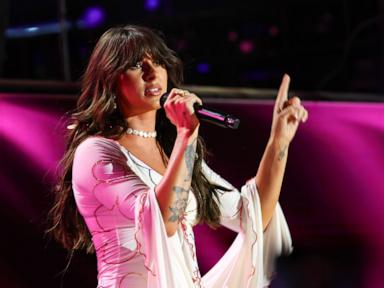
For the fans gathered to see Ella Langley, the abrupt shift from anticipation to emptiness is a visceral shock. One moment, you are checking your watch to see how long until doors open. The next, venue staff are stepping behind steel barricades with averted eyes, and the local news alerts start pinging in pockets across the crowd. A security threat. An unspecified danger. A cancellation that feels less like a schedule change and more like a snapped cord.
We live in an era where we expect our escapes to be guaranteed. We purchase tickets months in advance, map out our parking, coordinate our outfits, and treat live music as a reliable sanctuary from the weight of everyday life. We treat the stage as an untouchable fortress of joy. But underneath that illusion of absolute safety lies a fragile web of logistics, threat assessments, and split-second decisions made by people whose faces we will never see.
Consider what happens behind the scenes when a threat materializes.
Long before a single fan is turned away at the box office, a chain reaction of warning systems flashes into motion. Local law enforcement, venue security leads, and tour management are thrust into a high-stakes calculus. In the wake of modern crowd safety tragedies across the globe, the margin for error has shrunk to zero. When a credible threat lands on a desk, nobody asks if it is probably a bluff. Nobody takes a chance on the odds. The protocol is absolute, swift, and unapologetically harsh: clear the venue, protect the crowd, ask questions later.
For the artist, the backstage silence is its own kind of heartbreak.
Imagine standing in a dressing room smelling of lingering hairspray and takeout containers. You have warmed up your vocal cords. Your bandmates are tuning their instruments down the hall. You can hear the muffled roar of the crowd building on the other side of the heavy concrete walls. And then the tour manager walks in, expression gray, holding a phone that changes everything.
An artist does not simply walk away from a sold-out room. There is an intrinsic, driving need to perform—a symbiotic contract between the person under the spotlight and the people in the dark. To have that ripped away by an anonymous threat leaves a hollow ache. It is helplessness in its purest form.
Yet, as the crowd outside Tulsa's historic venue slowly dissipated into the chilly night air, something remarkable happened.
Instead of dissolving into total chaos, the fans did what music lovers have always done when faced with silence. They improvised. Small clusters formed under streetlamps. Guitars were pulled from backseats. Someone started singing the chorus of a track that was supposed to echo through the rafters an hour later. The voices were quiet at first, competing with the distant wail of a police cruiser, but they grew stronger, bouncing off the brick facades of the Arts District.
It was a poignant reminder of why these cancellations hit so hard in the first place.
We do not just go to concerts to consume a product. We go to belong to something. We go to stand shoulder-to-shoulder with strangers and realize that our private griefs, joys, and heartbreaks are shared by the thousands of people singing the same words. When a threat disrupts that sanctuary, it feels like an intrusion not just on a building, but on our collective emotional life.
The headlines will dry up within days. The police investigation will either bear fruit or fade into the static of unsolved digital threats. Insurance claims will be filed, refunds processed, and tour itineraries hastily redrawn to carve out a makeup date in a crowded calendar.
But for the teenager who saved up grocery-store wages for months to buy a ticket, or the couple who drove four hours across state lines through the rain, the memory of Tulsa remains a bittersweet ghost. It is the night they stood outside the gates of paradise, only to watch the lights stay dim.
Safety demands vigilance. Fear demands caution. But resilience demands that we keep showing up anyway, buying the ticket, and waiting for the moment the house lights go down and the music finally takes over.