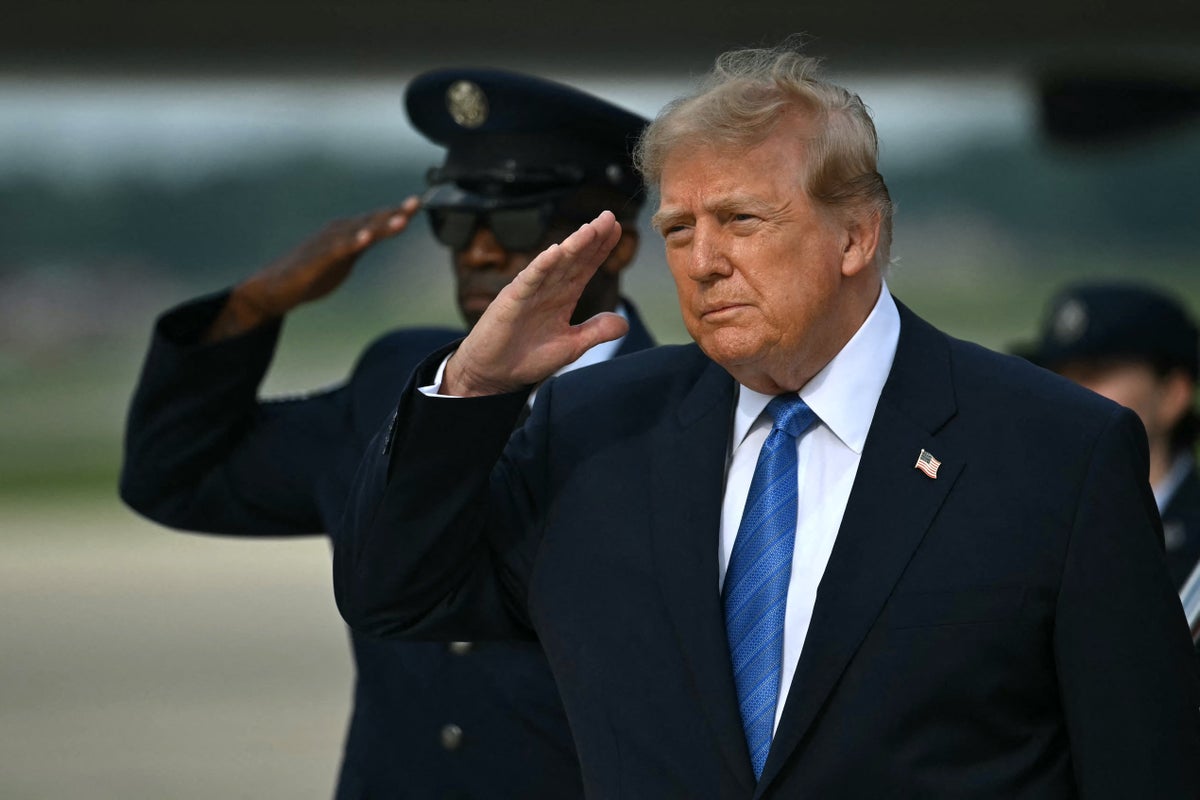
Donald Trump just announced what he calls the biggest oil deal in world history, claiming the United States has locked down majority control over more than 65 billion barrels of Venezuelan oil reserves. If you are wondering how this actually works on the ground and whether it will genuinely drop gas prices at your local pump, you need to look past the political headlines and examine the mechanics.
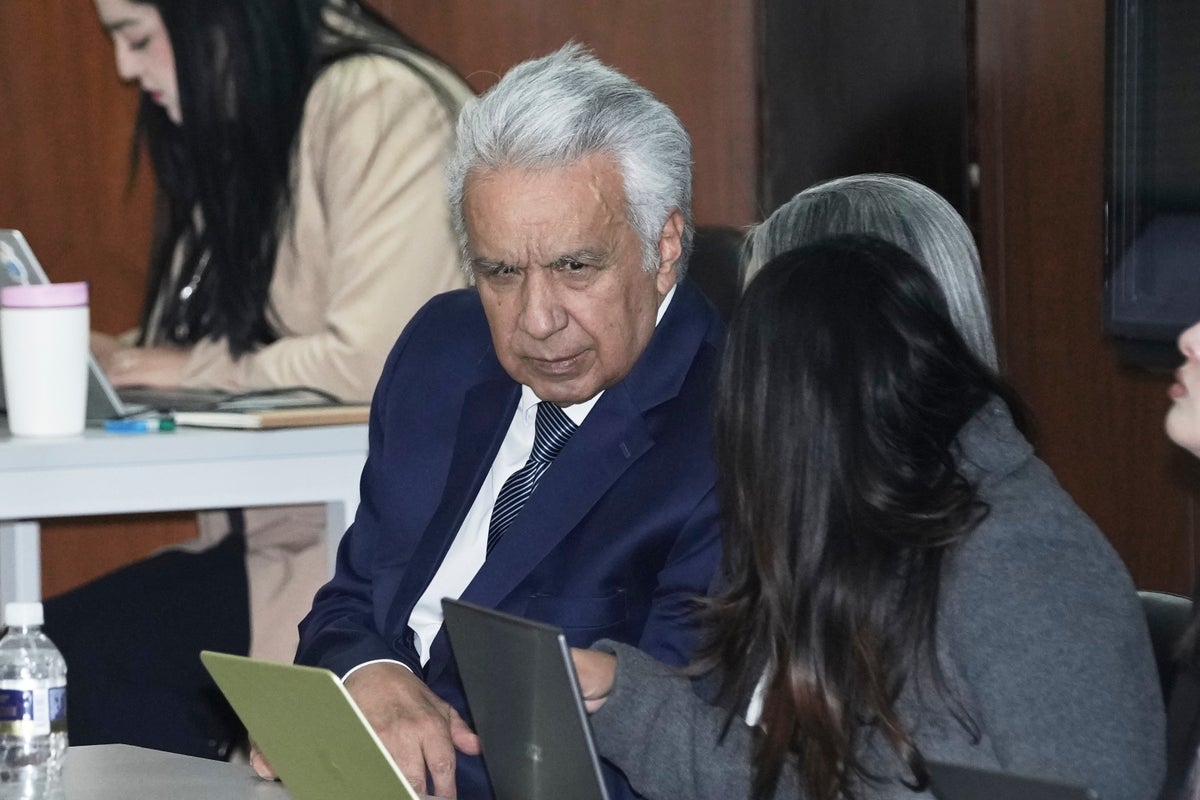
The administration claims this arrangement gives the US an effective 55 percent share of output through a private joint venture, backed by 100-year concessions granted by Venezuelan interim President Delcy Rodríguez. It is a massive pivot following the military operation earlier this year that removed Nicolás Maduro from power. But turning political control into actual barrels of flowing crude is a totally different beast.
The Reality Behind the Sixty Five Billion Barrels
Venezuela sits on roughly 303 billion barrels of proven crude, giving it the largest petroleum reserves on the planet. Most of that oil is heavy, sludgy, and notoriously difficult to extract without specialized infrastructure. Years of state mismanagement, corruption, and crushing international sanctions turned Venezuela's once-mighty energy sector into a ghost town of rusting rigs and shattered pipelines.
When Trump brought oil executives to the White House to pitch them on returning, many private firms privately hesitated. Rebuilding fields that require billions of dollars in upfront capital takes years, not weeks. The new joint venture aims to bypass those bottlenecks by granting long-term operating rights across seventeen key oil fields. Yet, getting major corporations to shell out massive investments requires absolute confidence that future local governments will not just nationalize the assets all over again—a playbook Venezuela used effectively against American firms decades ago.
Why Washington Needed This Deal Right Now
Domestic pressure played a massive role in fast-tracking this agreement. Gasoline prices have battered consumers, and the U.S. Strategic Petroleum Reserve dropped significantly following supply chain disruptions and prolonged conflict overseas affecting key shipping lanes like the Strait of Hormuz.
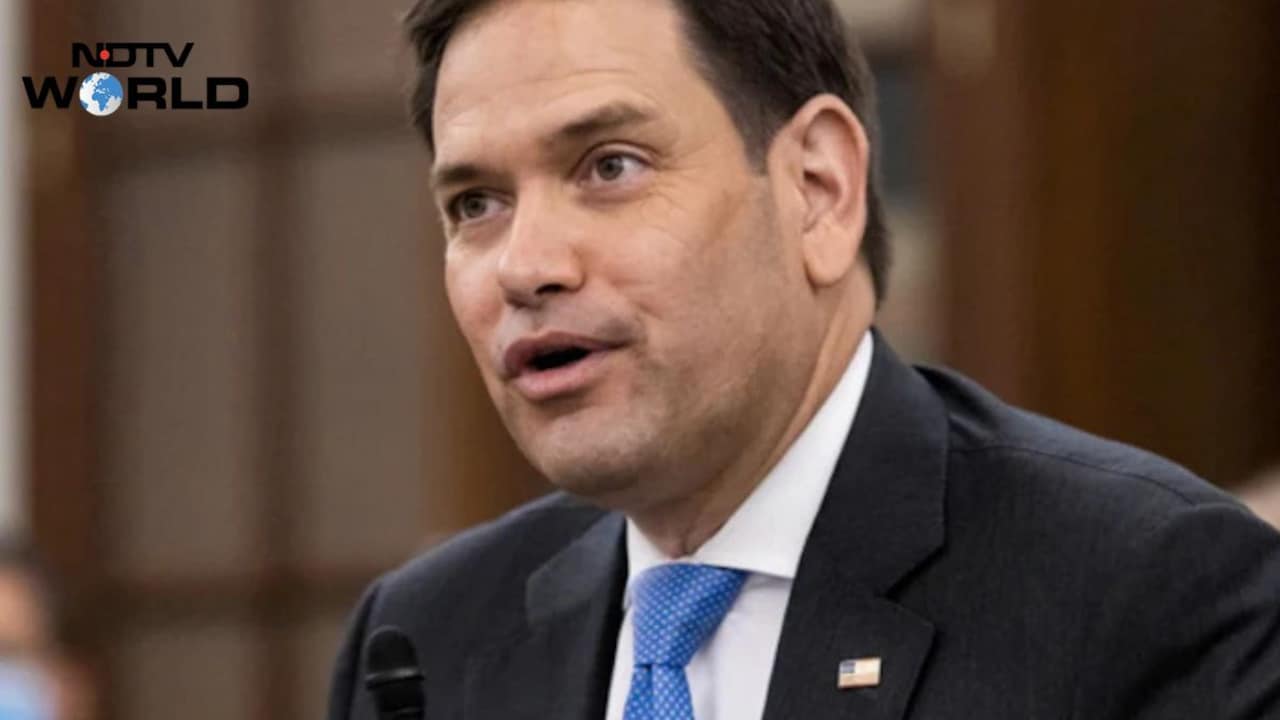
Washington needed a massive, reliable injection of heavy crude to feed domestic refineries configured specifically to process Venezuelan-style oil. By securing oil at cost and targeting portions of the production to refill the national reserve, the administration is trying to insulate the American economy from external energy shocks. Secretary of State Marco Rubio and Defense Secretary Pete Hegseth spearheaded the framework alongside Caracas to ensure these supplies bypass traditional OPEC price manipulations.
What Happens Next on the Ground
Do not expect gas prices to plummet tomorrow. Rebuilding decayed extraction facilities, shipping heavy machinery down south, and drilling new wells takes time. While officials hope to see operations ramp up aggressively, energy analysts point out that tangible output increases could take months or even years to fully materialize.
If you are tracking energy stocks or trying to figure out your own fuel costs, watch how quickly private operators mobilize equipment on-site and whether local legal challenges in Caracas threaten the longevity of those 100-year concessions. Keep an eye on actual tanker departures from Puerto La Cruz rather than social media declarations. Real barrels moving toward Gulf Coast refineries will tell you the true story of whether this historic arrangement is working or just another high-stakes gamble.