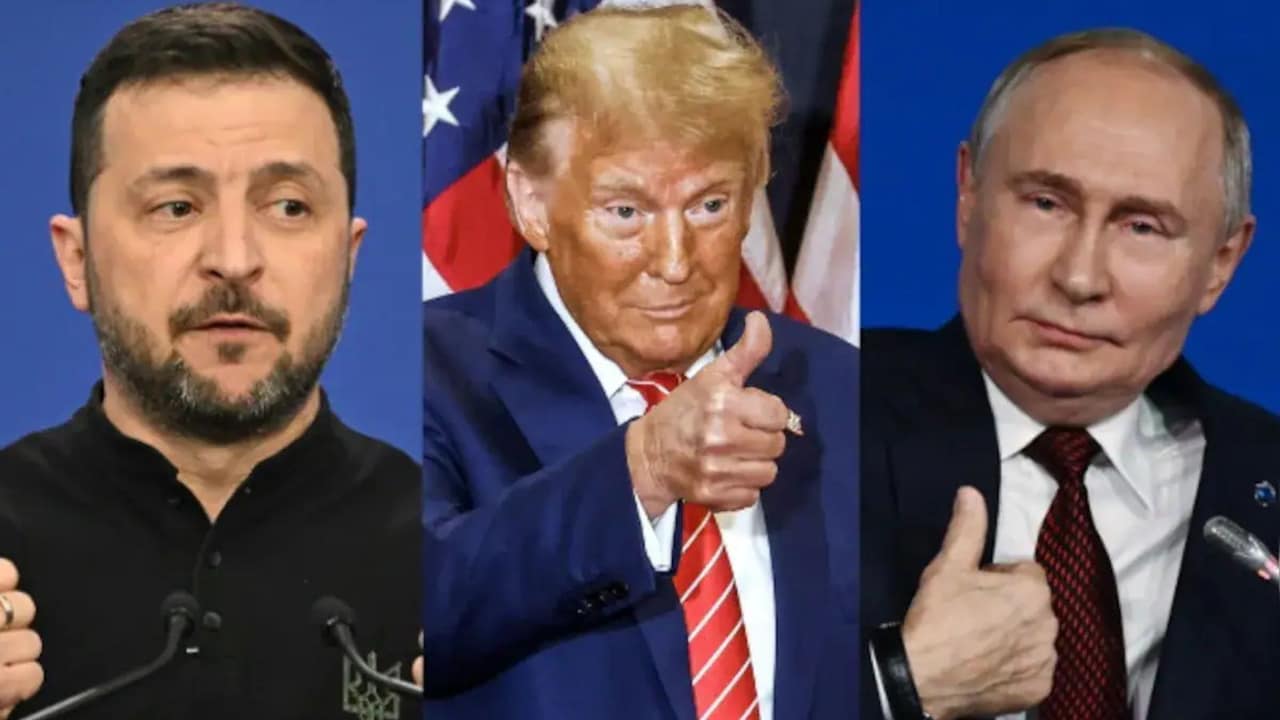
Diplomatic momentum is shifting faster than most analysts expected. Washington's renewed push for trilateral negotiations between Ukraine, Russia, and the United States has brought high-stakes diplomacy back to the forefront. Ukrainian President Volodymyr Zelenskyy confirmed that American mediators have been aggressively pushing to structure new rounds of meetings, aiming to break months of deadlock over territory and regional security.
If you are trying to understand where this war is heading next, you have to look past the political posturing. The real story isn't just about who sits at the table. It's about the brutal compromises being whispered behind closed doors in places like Abu Dhabi and Dublin.
Behind the Scenes of the Latest Diplomatic Push
The diplomatic machinery kicked into high gear following a series of quiet shuttle diplomacy missions. US envoys, including Steve Witkoff and Jared Kushner, have been moving back and forth between Moscow, regional capitals, and Ukrainian leadership. Their mandate is clear: test whether both sides are willing to stop fighting long enough to entertain pragmatic compromises.
Moscow's position remains anchored to maximalist demands. The Kremlin continues to push for full control over the Donbas region and insists on broader constraints regarding European security arrangements. Meanwhile, Kyiv faces an impossible balancing act. They need credible security guarantees—such as a path toward NATO membership—to prevent future invasions, but they are under immense pressure from Western partners to show flexibility.
The inclusion of European representatives in parallel coordination tracks has added another layer of complexity. European nations want a direct say in any architectural changes to the continent's security framework. After all, you can't redesign European borders and defense pacts without the people living next door to the conflict.
What Most People Miss About These Negotiations
Casual observers often look at peace talks as a binary outcome: either peace breaks out tomorrow, or the war continues unchanged. That is entirely wrong.
Negotiations during an active, high-intensity conflict rarely happen in a clean room. They happen while drones fly and economic sanctions tighten. When Washington presses for these sessions, they are trying to narrow the delta between two completely incompatible worldviews:
- Moscow's insistence on redrawing regional borders and neutering Western alliances.
- Kyiv's demand for total territorial integrity and ironclad protection against future aggression.
Every round of talks serves as a stress test. Mediators look for tiny fractures in official stances. When special envoys brief leaders in European capitals right after meeting with Vladimir Putin, they aren't just passing messages—they are testing whether a landing zone exists between total victory and total collapse.
The Hard Reality of Compromise
Let's be honest about the stakes. War fatigue is real, but so is the existential dread of a bad deal. If Washington's roadmap involves difficult territorial concessions or heavily conditioned security umbrellas, public backlash in Ukraine will be fierce. On the other hand, dragging the conflict out indefinitely drains resources and risks further escalation.
The push for sessions hosted in the United Arab Emirates shows that neutral venues are vital for keeping lines of communication open. Both sides want to project strength to their domestic audiences while secretly testing what concessions they can survive making.
Watch the energy infrastructure and prisoner exchange channels closely over the coming weeks. Those smaller logistical agreements often hint at whether larger political breakthroughs are even remotely possible. If the big players can agree on humanitarian corridors and de-escalation steps, the door stays open for the heavier political trades. If those preliminary talks collapse, expect another brutal winter on the battlefield.
Keep your eyes on how European leaders manage their seats at the table. Their willingness to back or block Washington's emerging formulas will dictate whether these talks produce a lasting settlement or just another temporary pause in a long war.
US Delegation and President Zelensky Announce New Progress in Russia-Ukraine Negotiations
This video provides an up-close look at the high-level diplomatic updates and public statements delivered following key discussions between American envoys and Ukrainian leadership regarding the path forward.