Geopolitics isn't abstract when it starts costing the lives of your citizens. For months, India walked a diplomatic tightrope over the escalating West Asian conflict, trying to balance its energy needs, its strategic ties with Iran, and its partnerships with Western powers. That balancing act just hit a wall.
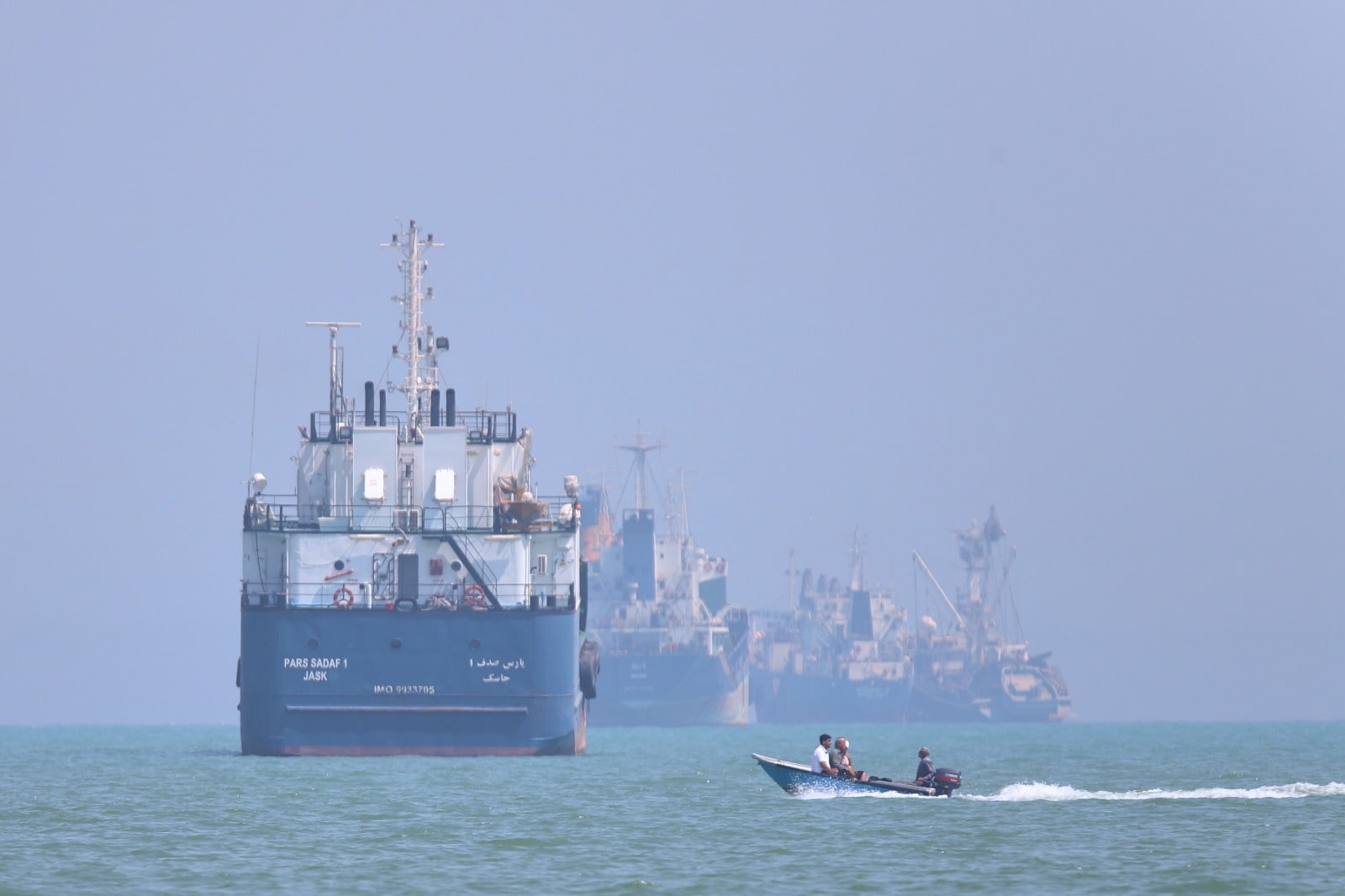
The tragic death of an Indian seafarer in the Strait of Hormuz has forced New Delhi's hand. Iranian cruise missiles struck two UAE-flagged commercial tankers—the MT Mombasa and MT Al Bahiyah—while they navigated Omani territorial waters. Out of 46 combined crew members across both vessels, 30 were Indian nationals. One Indian sailor died, and several others suffered severe injuries, leaving families grieving and maritime unions demanding accountability. Meanwhile, you can explore related developments here: Why India Summons Iranian Envoy Over Tanker Attacks Is Just Diplomatic Theater.
New Delhi didn't sit back. The Ministry of External Affairs summoned Iran's Deputy Chief of Mission, Mohammad Javad Hosseini, delivering a sharp diplomatic protest. It's a massive shift in tone for a country that usually favors quiet diplomacy with Tehran. If you want to understand why this specific incident is a flashpoint for India's foreign policy, you have to look at what's actually happening on the water.
The Human Toll on the High Seas
We talk about supply chains and oil prices, but the real cost is human. Merchant sailors don't sign up to be collateral damage in a shadow war. The Forward Seamen’s Union of India didn't hold back either, publicly asking how long the government expects to keep counting the deaths of its seafarers. To understand the bigger picture, check out the recent analysis by The Washington Post.
They have a point. This isn't an isolated tragedy. Since the current conflict flared up in early 2026, at least nine Indian crew members have been killed around this strategic chokepoint.
- On March 1, an attack on a Marshall Islands-flagged tanker killed the first Indian sailor of this cycle.
- Hours later, a strike on the tanker Skylight claimed two more Indian lives.
- In May, three more Indian seafarers died when the MT Settebello was hit off Oman.
Now, with the strikes on the Mombasa and Al Bahiyah, the danger has hit an entirely new level. Of the 18 Indians on the MT Mombasa, nine were injured—two are currently fighting for their lives in critical condition. The MT Al Bahiyah saw one fatality and another injury. Fires tore through the ships before being brought under control, leaving mangled steel and traumatized survivors.
The Broken Illusion of Safe Passage
Iran’s Islamic Revolutionary Guard Corps tried to shift the blame, claiming the ships used an illegal, unsafe route close to Oman. They alleged the area was mined and pointed fingers at US military movements. But India isn't buying the excuses anymore. The MEA statement explicitly demanded that the targeting of commercial shipping and civilian infrastructure must cease.
The reality is that international law protects free navigation in these waterways, regardless of regional squaffles. When cruise missiles hit commercial tankers in neutral or Omani waters, it isn't collateral damage—it's a blatant disregard for international maritime norms. For a country like India, which provides a massive chunk of the global seafaring workforce, this is an existential threat to its workforce and economic security.
Economic Shockwaves in the Gulf
If you think this is just a political argument, look at the trade data. The Strait of Hormuz is the world's most critical energy artery, handling roughly a fifth of global crude oil and natural gas shipments.
The escalation has already caused traffic through the strait to crater. Confirmed vessel crossings plummeted by 52% in just a single weekend in July. Freight insurance rates are skyrocketing, shipping companies are rerouting vessels around Africa, and energy markets are on edge.
Compounding the chaos, US President Donald Trump announced a renewed blockade on Iranian shipping, declaring the US the "Guard of the Hormuz Strait" while floating a controversial 20% tariff on all transiting cargo to pay for the protection. Tehran rejected the proposal instantly. This leaves merchant ships stuck between Iranian missiles and American blockades.
What New Delhi Must Do Next
Summoning a diplomat is a standard first step, but it won't keep sailors safe on its own. India needs a concrete strategy to protect its people and its energy interests. Here is what needs to happen immediately:
- Expand Operation Sankalp: The Indian Navy must scale up its escort operations in the Gulf of Oman and the Strait of Hormuz, providing direct protection to merchant vessels with high concentrations of Indian crew members.
- Leverage the Chabahar Port Relationship: India has invested heavily in Iran's Chabahar Port. New Delhi needs to use this economic leverage behind closed doors to make it clear to Tehran that Indian lives are a hard red line.
- Collaborate with Regional Partners: India must work closely with the UAE and Oman to share real-time maritime intelligence and coordinate search-and-rescue operations.
- Demand Action at the International Maritime Organization: New Delhi needs to push the IMO and the UN to establish stricter legal and physical protections for civilian seafarers caught in combat zones.
The time for soft, unaligned rhetoric is over. If India wants to be recognized as a leading global power, it has to protect the people who keep the world's economy moving.
This video breaks down how the Indian Navy has previously deployed warships to protect commercial shipping in volatile waters, showcasing the tactical options New Delhi has on the table.
Indian Navy Escort Operations