Fish farming in South America just hit a massive roadblock. Researchers tracking aquatic health have uncovered four dangerous fish bacteria strains previously restricted to Asia and the United States now thriving inside Brazilian aquaculture facilities. Even worse, one of these pathogens has already broken species barriers to infect entirely new hosts.
If you think this only matters to commercial fish producers, think again. This discovery impacts food security, local ecosystems, and the safety of fish meant for human consumption. Let's break down what researchers found, why these pathogens are spreading, and what it means for the future of global fish supply chains.
The Hidden Danger Inside Brazilian Aquaculture
For years, local fish farmers thought they had a solid handle on regional pathogens. That illusion shattered when a scientific team published findings in the journal Microbial Pathogenesis, revealing the presence of four distinct species belonging to the genus Flavobacterium.
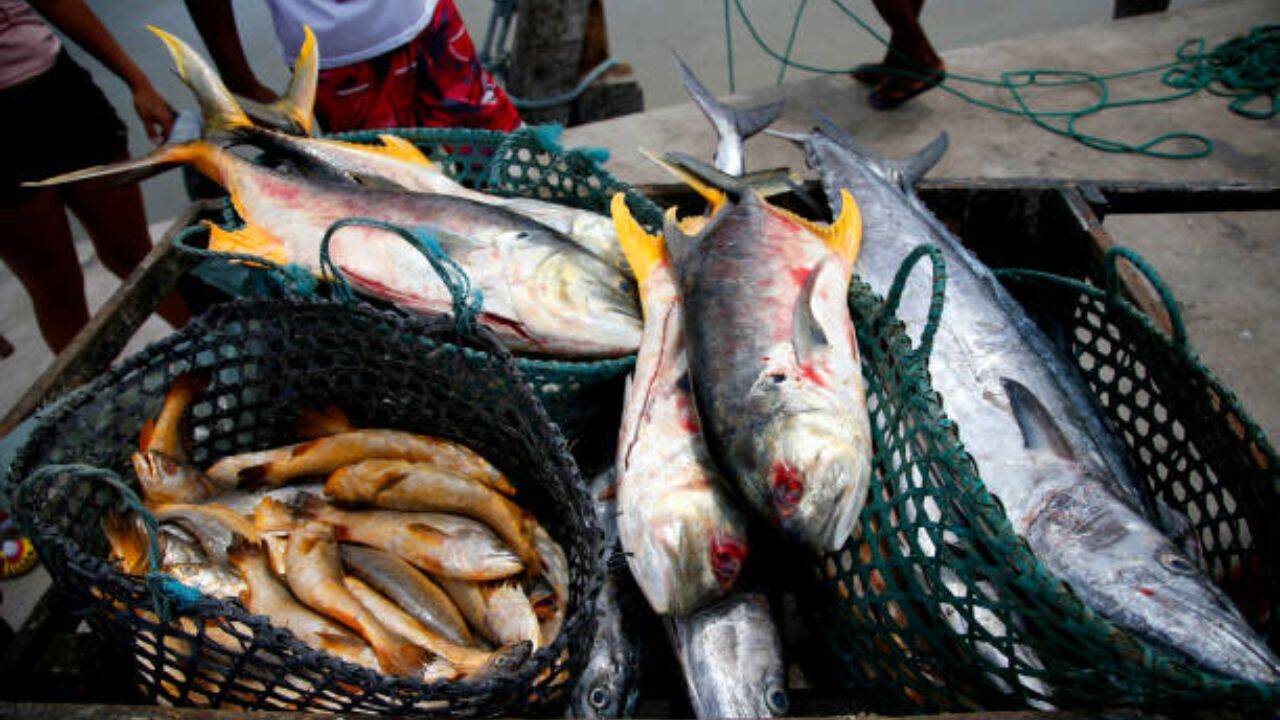
The trouble centers around columnaris disease. This nasty infection targets farmed fish—particularly species raised for food—by eating away at epithelial cells. Once infected, fish often develop obvious white lesions on their skin and fins alongside severe gill necrosis. For vulnerable larvae and fry, death follows within days.
Researchers gathered 11 bacterial isolates from various production sites and identified six as Flavobacterium oreochromis. The remaining samples included three other species:
- Flavobacterium davisii
- Flavobacterium indicum
- Flavobacterium inkyongense
Until recently, scientists lumped these distinct variants under a single umbrella label, Flavobacterium columnare. Treating the disease became much harder now that researchers know they are dealing with multiple distinct species exhibiting different survival tactics in warm water.
When a Pathogen Jumps to a New Host
The most alarming part of the study isn't just that foreign bacteria arrived in Brazil. It is that they are adapting.
Historically, Flavobacterium oreochromis specialized in infecting Nile tilapia (Oreochromis niloticus), a staple of global aquaculture. Recent surveillance proves the pathogen has jumped past tilapia to infect native Brazilian fish populations like tambaqui, pacu, and Amazon spotted catfish.
Lead author Daniel de Abreu Reis Ferreira pointed out a particularly worrying milestone: the detection of Flavobacterium davisii inside an Amazon spotted catfish. This marks the first time the strain has infected Siluriformes, an entirely different order of fish from its traditional targets.
When pathogens cross taxonomic lines so easily, their potential host range blows wide open. That flexibility turns a localized farming headache into a broad environmental risk.
How Warm Water and Biofilms Fuel the Spread
Aquaculture tanks provide a warm, nutrient-dense environment. That setup plays right into the hands of these bacteria.
The study revealed that certain isolates actively grow and form protective biofilms at the exact temperatures common in commercial warm-water farming systems. Biofilms act like a shield, making the bacteria highly resistant to standard cleaning routines and environmental stressors.
Take Flavobacterium davisii as a prime example. While most strains struggle to form biofilms when water temperatures hit 35 degrees Celsius, F. davisii actually thrives under those exact warm conditions.
Sure, the bacteria sacrifice mobility at higher temperatures. But as Ferreira explained, that trade-off makes sense from an evolutionary standpoint. The pathogen gives up swimming speed to build protective biofilms that ensure its survival.
Protecting Fish Farms Without Relying on Heavy Antibiotics
Overusing antibiotics in aquaculture creates superbugs. Industry experts want to avoid that trap entirely.
Researchers working alongside supervisors like CAUNESP professor Fabiana Pilarski are focusing on smarter alternatives, including targeted vaccines and water management.
One promising approach involves salinity control. Flavobacterium strains generally struggle to handle high salt concentrations. Introducing controlled amounts of salt into specific farming systems could naturally suppress the pathogen's ability to colonize tanks.
At the same time, genomic mapping is paving the way for autogenous vaccines. Because columnaris disease primarily attacks the outer skin, scientists hope to design bath-treatment vaccines using weakened bacterial strains. Treating fingerlings en masse through a simple bath works wonders when their immune systems are still developing.
Producers must tighten biosecurity protocols immediately. Screening incoming fingerlings for diverse Flavobacterium strains prevents these foreign pathogens from creeping into uninfected facilities. Keep stocking densities manageable, monitor water chemistry daily, and shift toward preventative vaccination before an outbreak wipes out an entire harvest.