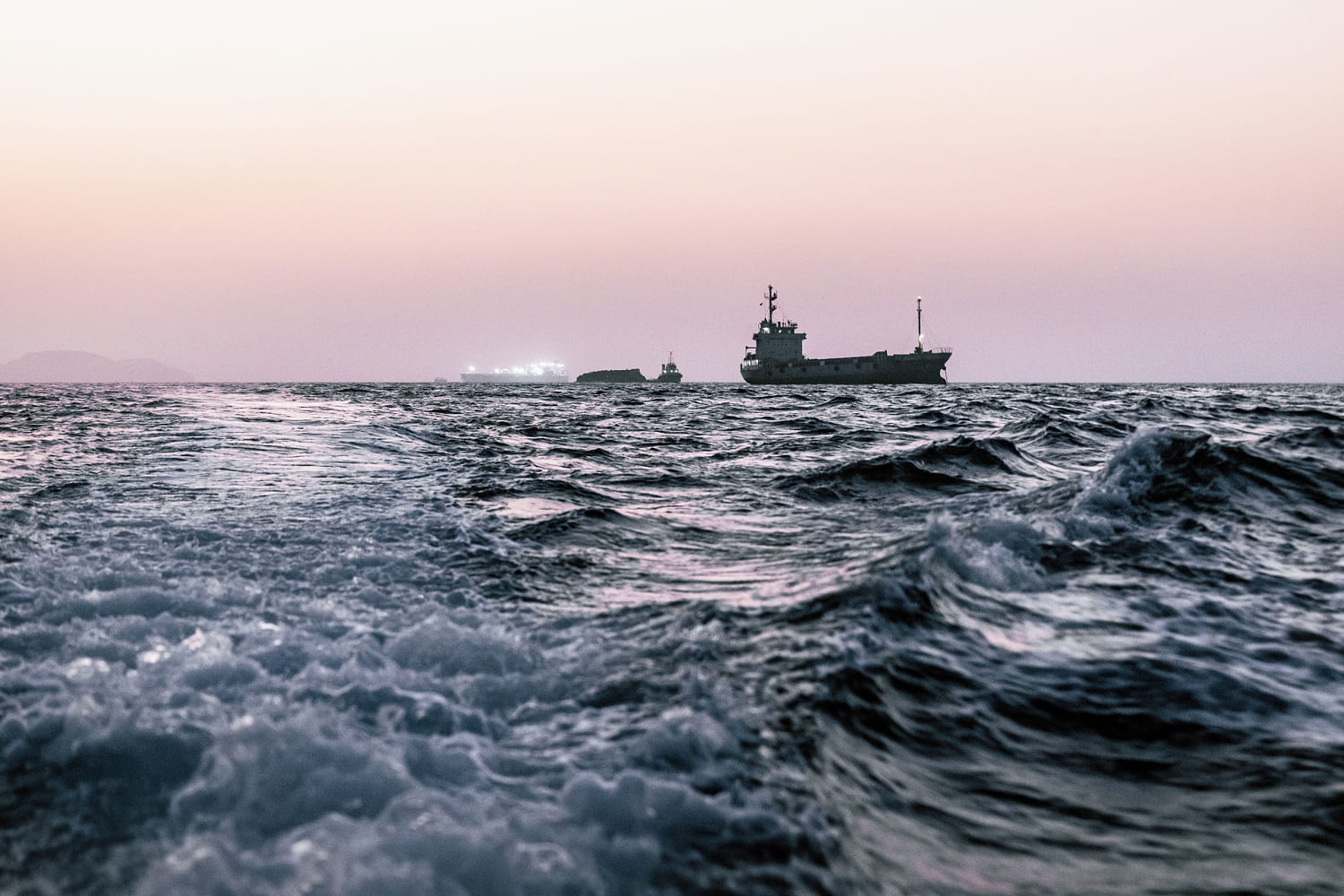
The steel underfoot does not care about geopolitical posturing. It vibrates with the steady, thumping heartbeat of a 100,000-ton engine.
To understand the global economy, you could look at stock tickers, inflation charts, or central bank statements. Or you could stand on the bridge of a Very Large Crude Carrier (VLCC) cutting through the dark waters of the Strait of Hormuz.
Here, the world’s financial stability narrows down to a choke point just twenty-one miles wide.
On a map, it looks like a fragile throat. In reality, it is exactly that. One fifth of the world's liquid petroleum passes through this bend between Oman and Iran. For decades, the narrative has remained unchanged: when tensions rise in the Middle East, the throat constricts. Threats fly from Tehran. Insurance premiums skyrocket. Ship captains grip their morning coffee a little tighter. Oil prices spike, and suddenly, a commuter in Ohio pays seven dollars more to fill up their minivan.
Lately, the script has flipped.
Despite a barrage of fiery rhetoric and explicit threats of disruption, the tankers are still moving. They are not turning back. Traffic through the strait is quietly, stubbornly picking up pace. Even stranger? The price of crude oil is dropping.
To grasp why the old playbook no longer works, we have to look past the talking heads on television and board the ships themselves.
The Ghost Fleet and the Numbers Game
Consider a hypothetical captain. Let's call him Marcus. He has spent twenty-four years navigating these waters. He remembers the Tanker War of the 1980s, when sea mines and anti-ship missiles turned the Persian Gulf into a shooting gallery.
For men like Marcus, risk is not an abstract concept discussed in a London boardroom. It smells like diesel and salty, humid air.
A few months ago, when geopolitical tensions flared yet again, the standard expectation was a ghost town at sea. Instead, Marcus looks at his radar screen and sees a crowded highway. The data backs up his eyes. Maritime tracking logs show that transit numbers through the strait have risen steadily over the past few weeks.
The fear is still there, but the economic necessity is louder.
The global energy market has developed a thick skin. In the past, a single aggressive statement from a regional power could send Brent crude surging toward a hundred dollars a barrel. Today, the market responds with a collective shrug. Traders have realized that threatening to close the Strait of Hormuz is vastly different from actually doing it.
Closing the strait is the geopolitical equivalent of a nation pulling the pin on a grenade it is still holding. Iran relies on these same waters to export its own oil, primarily to buyers in Asia. Total disruption means economic suicide for the broadcaster of the threat. The market finally called the bluff.
The Secret Buffers of the West
But bravado alone does not keep oil prices low. The real shield against chaos is structural.
While the headlines focus on the drama in the Gulf, thousands of miles away, American shale fields are pumping record amounts of oil. Permian Basin production has turned the United States into an energy juggernaut, creating a massive supply cushion that softens any blow from the Middle East.
Think of global oil supply like a giant, interconnected plumbing system. If a valve sticks open in Texas, the pressure drops in Dubai.
Simultaneously, the economic engine of China is running cooler than it used to. A slower manufacturing sector means less thirst for crude. When the world's largest importer buys less, the sellers lose their leverage. The simple law of supply and demand has neutralized the weapon of geopolitical fear.
Then there is the logistical reality of modern shipping.
When you look at a massive tanker from the shore, it seems slow, almost majestic. But these vessels are highly sophisticated intelligence hubs. Modern shipowners use advanced routing algorithms, private security detachments, and real-time satellite tracking to mitigate risks. If a specific patch of water looks dangerous, they don't stop the voyage; they simply adjust the coordinates by a few miles.
The shipping industry has learned to treat state-sponsored threats the same way it treats bad weather. You don't cancel winter. You just buy a better coat.
The Human Ledger
It is easy to get lost in the macroeconomics of supply gluts and strategic reserves. But every drop of oil passing through that narrow channel carries human risk.
The crews on these tankers are rarely citizens of the countries trading the oil. They are often mariners from the Philippines, India, or Eastern Europe. They sign up for months of isolation to send money back to families they see only on smartphone screens during port calls.
When a drone buzzes overhead or a naval patrol boat draws too close, the stakes are deeply personal.
The drop in oil prices is celebrated in Western capitals as a victory against inflation. It keeps gas cheap. It wins elections. But on the water, the low prices mean tighter margins for shipping companies. It means longer shifts, deferred maintenance, and higher pressure to keep the cargo moving regardless of the danger.
The world gets its cheap energy because a few thousand sailors agree to play a high-stakes game of chicken with history every single day.
The Unseen Equilibrium
We live with the illusion that global trade is governed by treaties, laws, and international order. The reality is far more fragile. It is governed by a delicate balance of mutual financial dependence.
The tankers keep moving because the world cannot afford for them to stop, and the nations making the threats cannot afford to stop them either. It is a cynical kind of peace, but it works.
The sun sets over the Musandam Peninsula, casting long, orange shadows across the water. On the radar screen, a dozen green blips move in a slow, orderly line toward the open ocean. Each one carries millions of barrels of crude, heading toward refineries that will turn it into plastic, jet fuel, and the gasoline that powers mundane morning commutes.
The threats will come again tomorrow. The rhetoric will escalate. The news anchors will warn of impending doom.
But out here, the engines will keep thumping, the steel will keep vibrating, and the ships will keep passing through the narrow mile because the hunger of the world demands nothing less.