The air smells of diesel, salt, and raw, unfiltered anxiety.
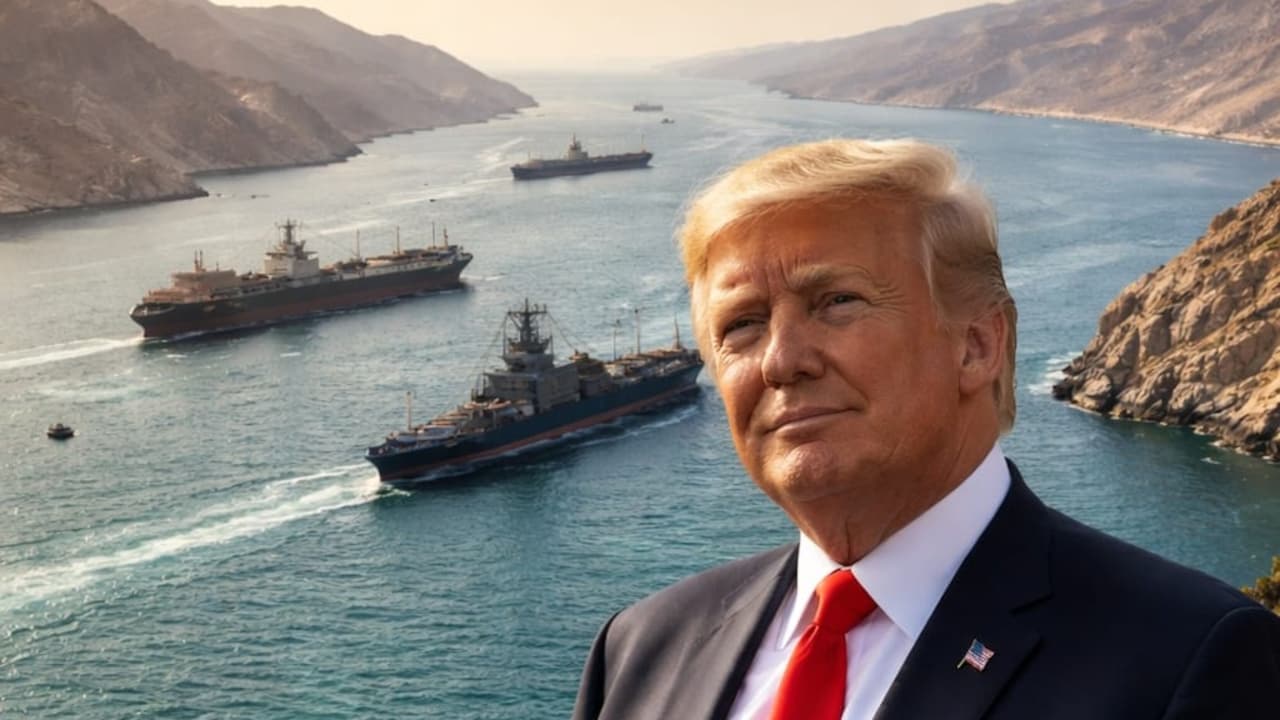
Stand on the deck of a ship threading the Strait of Hormuz, and you feel it immediately: the claustrophobia of geography. On one side, the jagged, sun-baked cliffs of Oman; on the other, the imposing coastline of Iran. Between them lies a narrow ribbon of water, barely twenty-one miles wide at its absolute pinch point. Through this aquatic needle passes roughly a fifth of the petroleum consumed on Earth.
When this water stops moving, the world holds its breath.
And right now, it is barely breathing.
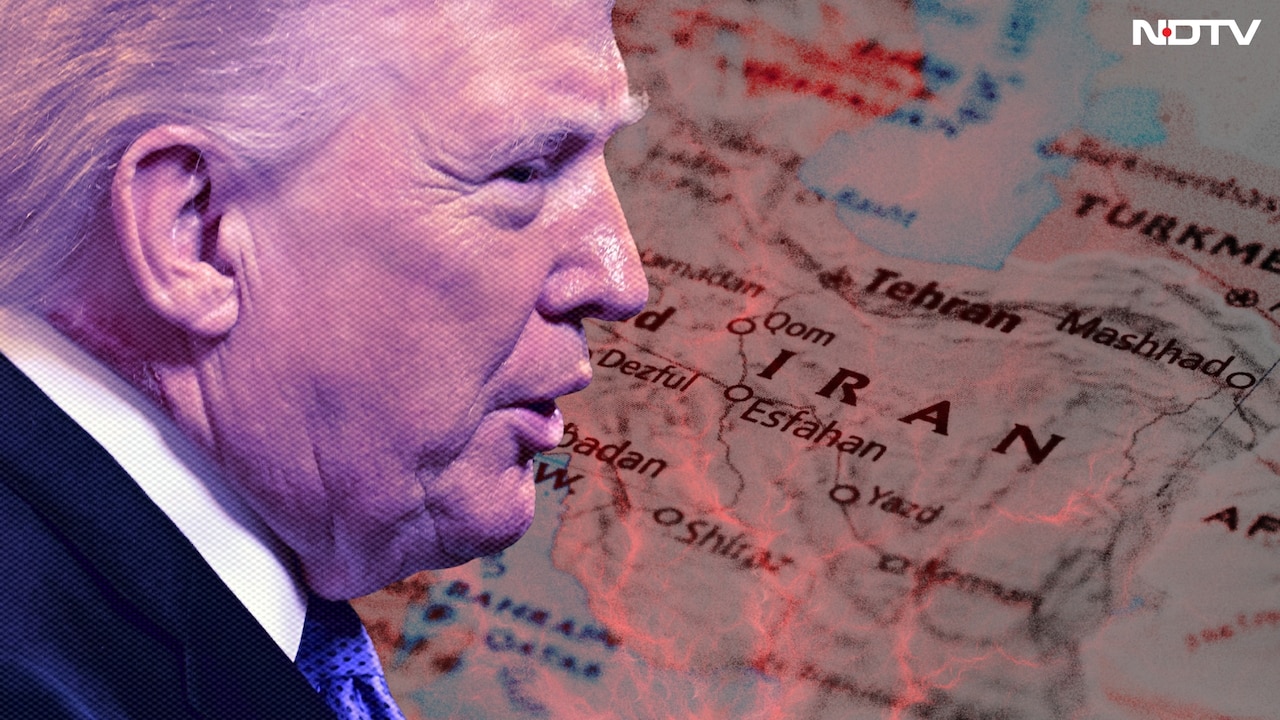
News broke through the diplomatic backchannels of a proposal that sounds like a thriller plot whispered in a smoke-filled room. Tehran has floated a tentative deal: unlock the strait, sweep away the tension, and restore the flow of global commerce within seven days. The catch? The United States must meet a specific set of conditions.
To a bureaucrat in Washington or a diplomat in Geneva, this is a chess move. A paragraph in a briefing binder. A bullet point in an intelligence summary.
To the rest of us, it is the price at the pump. It is the cost of shipping a crate of electronics across an ocean. It is the invisible thread connecting a dusty stretch of the Persian Gulf to a kitchen table in Ohio, where a mother watches her monthly utility bill climb higher and wonders how much more stretching her budget can take.
Consider the mechanics of what is happening behind the scenes. We are not talking about abstract numbers. We are looking at steel leviathans—supertankers carrying millions of barrels of crude—forced to linger in open water, engines idling, burning fuel just to stay in place while lawyers and generals trade ultimatums. Every day they wait, millions of dollars evaporate into the heavy, humid air.
Meet Marcus, a chief engineer standing in the belly of one of those stranded vessels, staring down at the low-fuel alarms and listening to the rhythmic, hypnotic thrum of auxiliary generators. He does not care about the geopolitical theater. He cares about his crew’s contract extensions, the food supplies dwindling in the cold rooms, and whether the electronic navigation screens will suddenly flash green, giving them the clearance to slice through the Strait.
Marcus represents the hidden human cost of standoff politics. When nations posture, human lives stall.
The Iranian proposal offers a timeline: seven days. Seven days to transition from a hair-trigger military standoff back to the humdrum reality of global shipping lanes. But seven days in a crisis zone is an eternity. It is an interval filled with miscalculations, stray radar blips, and the fragile egos of leaders who have built their entire political identities on never blinking first.
Why does this single geographic corridor wield such absolute power over our daily lives? Think of the global economy as a living, breathing body. The oceans are its circulatory system, and the Strait of Hormuz is the main carotid artery. If you pinch it, even slightly, the brain—the vast network of manufacturing, supply chains, and consumer markets—begins to starve almost instantly.
For decades, this vulnerability has been an open secret. Every administration in the White House has inherited this chessboard. Every military strategist has war-gamed the nightmare scenario of a complete closure. Yet, the system has endured, functioning on a delicate, precarious balance of mutual deterrence and open navigation laws.
Until it doesn't.
The recent proposal introduces a strange dynamic into this precarious balance. It is not an unconditional surrender or a sudden burst of goodwill. It is a transactional ultimatum. Give us what we ask for, and we will turn the key.
The United States and its allies now face a stark, uncomfortable calculus. Accept terms that might look like a concession, or reject them and risk a protracted economic chokehold that could send inflation spiraling across the globe just as fragile post-pandemic markets were finding their footing. There are no clean exits here. Every choice carries a heavy price tag paid in geopolitical capital and economic stability.
Look at the calendar. Seven days. That is the timeline whispered across secure lines. In that window, diplomats are burning through coffee and sleep, trying to untangle a knot that has been tightening for years.
Will the terms be met? Will the hardliners on both sides allow a moment of pragmatism to pierce the rhetoric?
History suggests pessimism. Pride is a stubborn thing. Nations rarely back down easily when the cameras are rolling and the domestic audience is watching for signs of weakness. But desperation is also a powerful solvent. When the economic pressure becomes too loud to ignore, even the most rigid ideological walls develop cracks.
Out on the Gulf, the sun is dipping below the horizon, painting the water in bruised shades of violet and gold. The silhouette of a stranded oil tanker cuts a sharp line against the fading light. Its crew watches the radar screen, waiting for a signal that may never come, or may arrive tomorrow morning with the suddenness of a lightning strike.
The water remains still. The narrow channel waits. And the world watches the clock, ticking down seven days that could change everything, or change nothing at all.