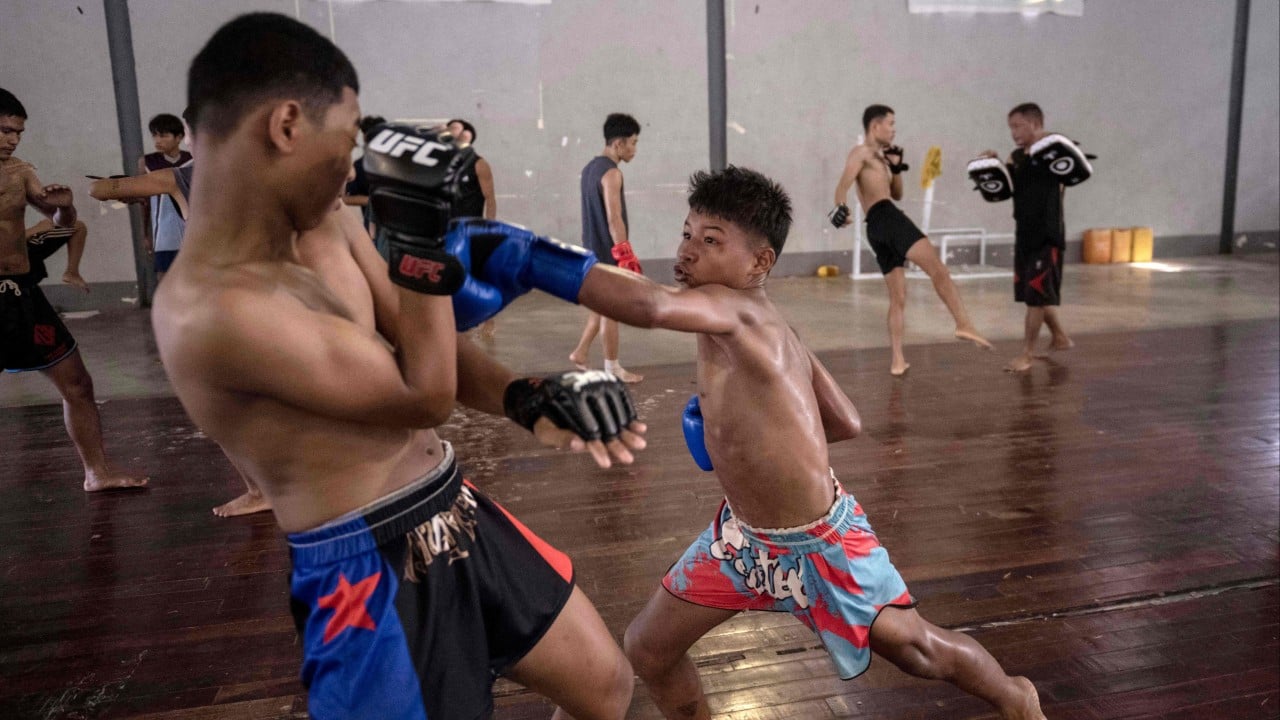
Life inside Myanmar right now is exhausting. Coups, economic collapse, and constant uncertainty drain the hope right out of a generation. If you walk down the dusty streets of Yangon or Mandalay, you see the exhaustion stamped on young faces everywhere. But look closer. In cramped gyms and makeshift outdoor rings, a different energy is brewing. They aren't scrolling social media to escape. They are wrapping their hands in gauze and tape, stepping into the ring, and throwing bare fists.
They are turning to lethwei.
Traditional Myanmar boxing is brutal. There are no gloves. Knockouts only count if a fighter is unconscious, though fighters can revive themselves with a single timeout called a time-to-recover. It is violent, raw, and deeply personal. To anyone outside looking in, it looks like madness. Why would an entire generation of kids facing political turmoil choose to absorb blunt force trauma for fun?
The answer is simple. When the outside world takes away your agency, your future, and your voice, stepping into a lethwei ring gives you total control over at least one thing. Your pain. Your survival. Your body.
The Brutal Reality of Myanmar Boxing
Lethwei is often marketed as the world's most brutal martial art, and that is not just hyperbole. Fighters use nine limbs, adding headbutts to the standard punches, kicks, knees, and elbows found in Muay Thai. Blood spatters the canvas regularly. Bones break. Teeth fly.
Yet, participation numbers among youth are soaring. Trainers across Yangon report a massive influx of teenagers and young adults walking through their doors. They do not want to be professional champions necessarily. They want the grit.
You have to understand the psychological weight resting on these kids. Job prospects are vanishing. Free speech is a distant memory. The future feels entirely blocked off. When reality is completely out of your hands, you crave something tangible. Pain is tangible. Sweat is real. The impact of a fist hitting skin leaves no room for doubt.
Training lethwei strips away the helplessness. You bleed, you recover, and you stand back up. That cycle mirrors the daily struggle of living under military rule. Every training session is an act of defiance against a system that wants them docile and defeated.
Escaping the Economic Trap Through the Ring
It is not just about emotional release, either. It is survival economics.
When formal employment dries up, informal economies boom. For exceptionally talented young fighters, the local tournament circuit offers a rare cash lifeline. Small-scale village bouts, temple festivals, and underground smoker fights pay modest purses. In a cash-strapped economy, winning a fight can mean feeding your family for a week.
Promoters notice the surge in youth interest. Local gyms operate on shoestring budgets, often sharing a single set of ancient punch mitts among twenty athletes. Trainers work for pennies, driven by a fierce cultural pride to keep the ancient sport alive while passing the torch to kids who desperately need a purpose.
You see teenagers skipping meals to make weight, walking miles to training camps because bus fare is too expensive, and returning home late at night with bruised faces. They do not complain. They are hunting for a way out, or at least a way through.
The Psychological Solace of the Sweat
There is a profound mental health angle here that mainstream media often misses. Therapy is largely inaccessible or culturally stigmatized for young people in Myanmar. Trauma is internalized. Fear is repressed.
Physical combat acts as a pressure valve.
When you spar, you cannot afford to worry about inflation, military checkpoints, or missing friends. If your mind wanders for a split second, you eat a knee to the ribs. Lethwei forces absolute, unyielding presence. It demands mindfulness through violence.
Fighters often talk about the silence that follows a heavy training session. The constant background hum of anxiety gets beaten out of them on the mats. They leave the gym physically wrecked, but mentally quiet. For kids carrying the weight of a fractured country, that exhaustion is a gift.
What the Rest of the World Gets Wrong
Outsiders love to romanticize this phenomenon. They look at bareknuckle fighters in Myanmar through a lens of exotic tragedy, painting them as doomed gladiators in a forgotten conflict zone.
That narrative is lazy.
These kids aren't victims looking for pity. They are disciplined athletes, martial artists, and community builders. They look after each other in the gym. They wrap each other's hands with care. They share meager meals of rice and tea after grueling sparring sessions. The culture inside a lethwei gym is built on fierce loyalty and mutual respect.
They aren't trying to die in the ring. They are trying to prove, in the most undeniable way possible, that they are still alive.
Next time you see a headline about the youth of Myanmar, remember the grit behind the statistics. They are fighting for their sanity, their dignity, and their future, one brutal round at a time. Lace up your own boots, find a challenge that tests your limits, and stop waiting for ideal conditions to start fighting for your life.