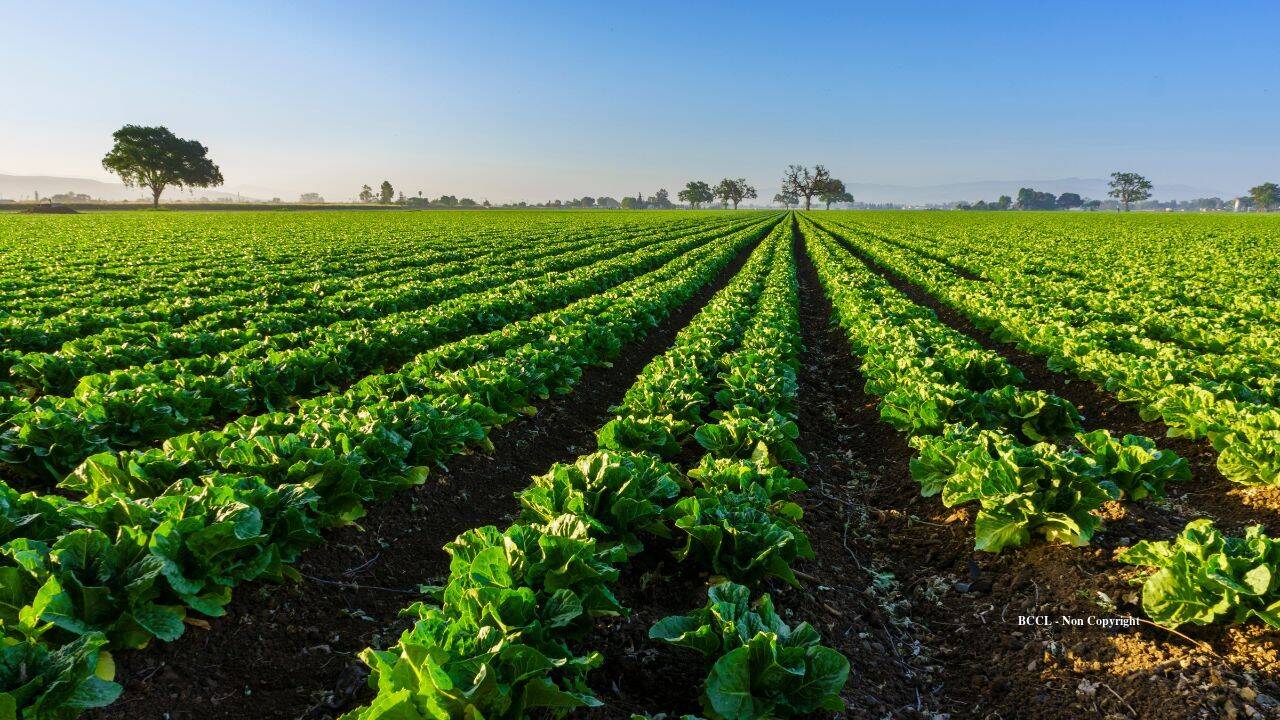
In Putnam County, Florida, the arithmetic of rural land ownership is changing. When a four-generation family recently finalized an 816-acre conservation easement known as Meetinghouse Groves, the transaction secured $2.665 million in public and federal funding while permanently freezing commercial and residential subdivisions. Yet the citrus groves, magnolia timber, and cattle pastures will stay active. This is not philanthropy in the traditional sense. It is a calculated economic defense against the relentless sprawl threatening the Florida Wildlife Corridor.
For decades, the standard trajectory for large private acreage in the American Southeast followed a predictable arc. Aging landowners face massive estate tax burdens, property values skyrocket due to population migration, and developers arrive with checkbooks that make selling out an easy choice. The asphalt spreads, the canopy fragments, and another piece of Old Florida vanishes beneath strip malls and subdivision cul-de-sacs.
The Meetinghouse Groves deal bypasses that grim trajectory through a different mechanism: conservation easements that pay owners to keep doing what they have always done.
The Mechanics of Working Land Protection
Conservation easements are often misunderstood as government land grabs or total surrenders of property rights. In practice, they are voluntary legal agreements that strip specific rights from a deed—most notably the right to subdivide or build dense housing—while leaving ownership and management firmly in private hands.
The financial structure behind the Putnam County project reveals how modern preservation actually functions. The $2.665 million valuation was split through a sophisticated multi-agency coalition. The Florida Department of Agriculture and Consumer Services contributed over $1.3 million via its Rural and Family Lands Protection Program, paired with federal backing from the United States Department of Agriculture. Non-profit entities like the North Florida Land Trust and the Putnam Land Conservancy acted as the administrative architects, bridging the gap between state bureaucracy and private landowners.
This capital injection compensates the family for the lost development potential of their property. Land worth millions more as future housing lots is appraised strictly as working agricultural acreage, and the public purse covers the difference. The family retains title, pays property taxes on the restricted valuation, and continues harvesting timber, citrus, and foliage.
+-------------------------------------------------------+
|              Meetinghouse Groves Ecosystem            |
+-------------------------------------------------------+
|  Upland Sandhills  -->  Longleaf Pine Timber          |
|  Forested Wetlands -->  St. Johns River Watershed     |
|  Agricultural Base -->  Citrus & Magnolia Production  |
+-------------------------------------------------------+
Why Wildlife Corridors Need Private Acres
Public parks alone cannot save regional ecosystems. National forests and state reserves are stitched together by vast archipelagos of private property, and when those gaps close, wildlife populations stagnate.
Meetinghouse Groves sits squarely within the Ocala to Osceola wildlife corridor, a 1.6-million-acre network designed to give species like black bears, bobcats, and migratory birds an uninterrupted path across North and Central Florida. Without private landowners willing to lock their boundaries against development, the corridor becomes a series of ecological islands surrounded by suburban traffic.
Animals do not recognize deed lines. A black bear ranging between national forests requires continuous tracts of dense cover, seasonal wetlands, and upland pine flatwoods. When private ranches and timber farms are paved over, the genetic isolation of local fauna accelerates within years. By keeping 816 acres of citrus and sandhills intact, the Padgett family secured a vital bottleneck in the regional transit network for wildlife.
The Economic Reality Behind the Green
Critics occasionally question public expenditures on private conservation easements, asking why taxpayers should subsidize family estates that remain restricted to the public.
The answer lies in cost avoidance. Public acquisition of 816 pristine acres outright would cost taxpayers far more than a $2.665 million easement, and the state would suddenly inherit millions in long-term management, fire control, and ecological restoration expenses. By keeping the land in private hands, the state shifts operational overhead back onto the family. The owner mows the pastures, manages the timber, and fights invasive species out of private operational budgets.
Furthermore, working lands provide unpaid ecosystem services. The forested wetlands and sandhill lakes on the property act as natural filtration systems for the broader St. Johns River basin, absorbing floodwaters during extreme weather events and recharging local aquifers. Paving those same acres would require millions more in municipal stormwater infrastructure upgrades to handle the resulting runoff.
The Succession Crisis on the Horizon
Despite the success of the Putnam County model, regional land trusts face a race against time. A massive generational wealth transfer is underway across rural America. As older farmers and ranchers pass away, their children often inherit crushing tax liabilities that force immediate liquidation.
When land is worth $10,000 an acre for residential development but only $2,000 an acre for cattle ranching, heirs rarely have the liquidity to pay inheritance taxes without selling chunks of the farm. Conservation easements provide a lifeline here as well, injecting capital into family estates and lowering property asset valuations to make generational transfer viable.
Even so, the backlog of applicants for state programs like the Rural and Family Lands Protection Program vastly outpaces available funding. Dozens of other North Florida families are currently waiting in line, hoping their properties qualify before developers make offers they cannot refuse.
The 816 acres in Putnam County prove that preservation and production are not mutually exclusive. As population pressures mount across the Sunbelt, the survival of the rural landscape will depend on whether state budgets can scale up to meet the demand of families who want to keep working the dirt rather than paving it over.